Skip to content
For businesses in regions with harsh winters, ice and snow control is essential for safety and daily operations. Choosing the right ice melt product affects not only performance but also long-term costs. Calcium chloride stands out as a powerful and economical solution for commercial and industrial winter maintenance.
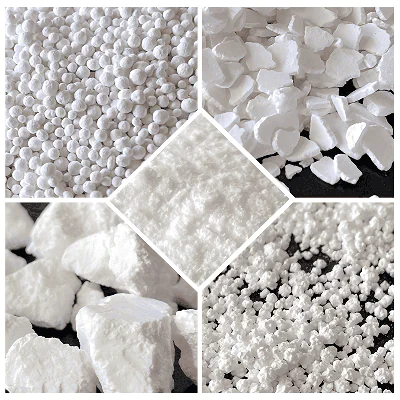
Long-Term Savings with Calcium Chloride
Reduced Application Frequency
Calcium chloride is hygroscopic, which means it attracts moisture from the air. This allows it to stay active on surfaces for longer periods after application. Because it keeps working even in severe weather, businesses do not need to reapply as often. Fewer applications mean lower material and labor costs over the winter season.
Faster and More Effective Melting
When calcium chloride dissolves, it releases heat through an exothermic reaction. This heat speeds up the melting process, helping ice break down quickly. Because it works faster than many other deicers, smaller amounts are needed to achieve the same results. Over time, this leads to significant product savings.
Versatility and Surface Protection
Calcium chloride remains effective at temperatures as low as -25°F (-32°C). It works well on concrete, asphalt, and other common surfaces. When applied properly, it reduces the risk of surface damage and helps businesses avoid costly repairs caused by freeze-thaw cycles or heavy ice buildup.
The Science Behind Its Cost-Effectiveness
Hygroscopic Properties
Because calcium chloride pulls moisture from the surrounding air, it forms a liquid brine faster than many other ice melt products. This brine spreads across the surface and continues melting ice for a longer time. The extended working period reduces the need for repeat treatments.
Exothermic Reaction
The heat generated when calcium chloride dissolves gives it a major advantage in cold climates. It can begin melting ice immediately, even in very low temperatures where other products stop working. Higher efficiency means less product is required per application.
Real-World Applications
Commercial Properties
Shopping centers, office parks, and retail locations need clear and safe walkways and parking areas. Calcium chloride reduces how often crews must return to reapply deicer. This lowers labor expenses while maintaining a safe environment for customers and employees.
Industrial Facilities
Warehouses, factories, and logistics hubs depend on clear loading docks and access roads. Calcium chloride’s fast action and long-lasting performance help prevent operational delays. This reduces downtime and protects both workers and equipment.
Municipal Supply Contracts
Suppliers serving municipalities can benefit from offering calcium chloride as a premium deicing option. Its strong performance at low temperatures and reduced application rates make it attractive for public road safety programs that need both reliability and budget control.

Environmental and Operational Benefits
Lower Overall Usage
Because calcium chloride works quickly and lasts longer, smaller quantities are required compared to traditional rock salt. Reduced usage helps lower transportation, storage, and handling costs, while also limiting environmental exposure.
Improved Operational Efficiency
Fewer applications mean less time spent spreading deicer during storms. This improves workflow efficiency and allows maintenance teams to focus on other critical winter tasks. Over a full season, these time savings translate into meaningful cost reductions.
Conclusion
Calcium chloride is more than just an effective ice melt—it is a smart financial choice for businesses facing tough winter conditions. Its ability to work at low temperatures, melt ice quickly, and remain active longer leads to fewer applications, lower labor costs, and reduced material use. For commercial properties, industrial facilities, and municipal suppliers, calcium chloride delivers both performance and long-term value throughout the winter season.