Skip to content
Safe and clean water is essential for public health. Removing harmful bacteria and pathogens is one of the main goals of water treatment. Poly Aluminum Chloride (PAC) is widely used as a coagulant. Besides clarifying water, PAC also helps reduce bacteria and improves the overall disinfection process.
This article explains how PAC supports bacterial control and enhances water quality in modern treatment systems.
1. Floc Formation and Bacteria Removal
The Science Behind PAC Floc Formation
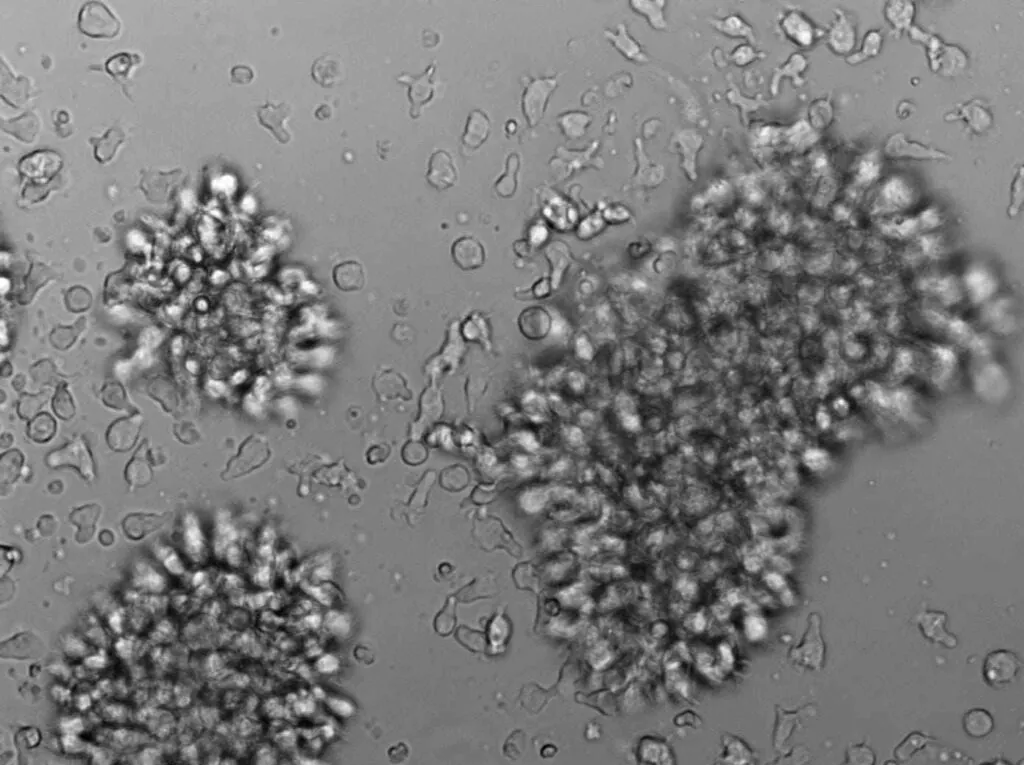
PAC has a polymeric structure that forms strong and stable flocs. These flocs trap suspended particles, including bacteria and organic matter that may carry pathogens. Because PAC creates dense flocs that settle quickly, many bacteria can be removed during the early stages of treatment.
Bacteria Reduction Through Better Sedimentation
During sedimentation, PAC flocs sink rapidly and carry bacteria with them. This makes PAC an effective first step in lowering harmful microorganisms in water. Research shows that PAC treatment can help reduce E. coli and other pathogens, providing a safer starting point for disinfection.
2. Organic Matter Reduction and Microbiological Risk
PAC’s Ability to Remove Organic Matter
Organic matter in water can serve as food for bacteria. PAC’s high coagulation efficiency removes a large portion of these organic substances. With less organic material available, bacterial growth is limited.
Lower organic content also helps reduce the formation of disinfection byproducts (DBPs). These byproducts can form when chlorine reacts with organic compounds.
Why Lower Organic Load Improves Bacterial Control
When organic matter is reduced, disinfectants like chlorine can work more effectively. Instead of reacting with organic impurities, disinfectants can focus on killing harmful bacteria and viruses. This leads to improved microbiological safety and better final water quality.
3. Better Water Clarity for Stronger Disinfection
PAC Improves Water Transparency
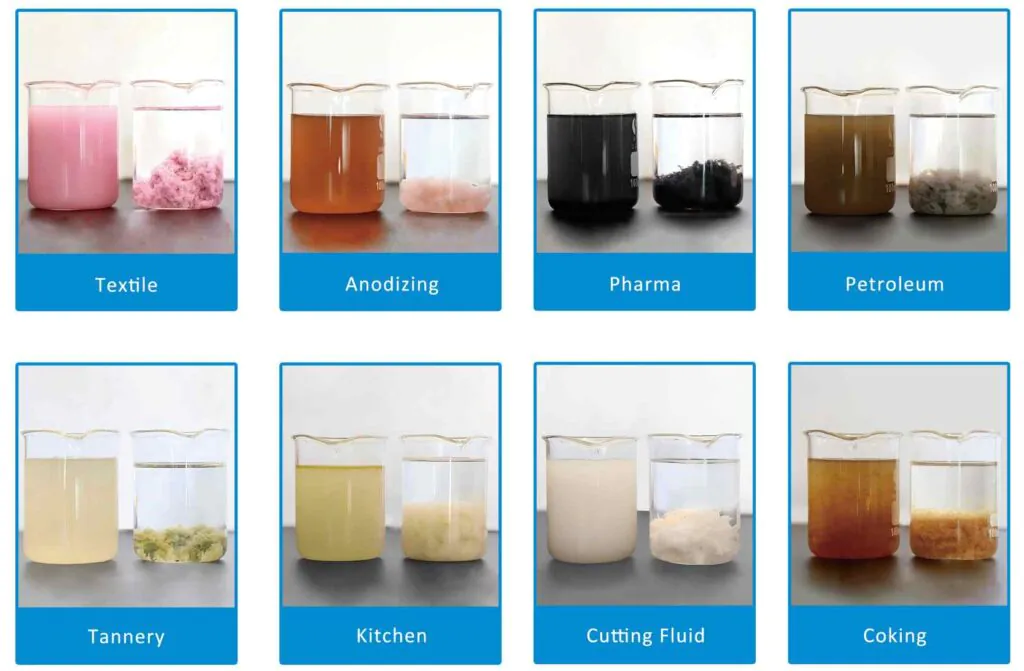
Clear water is important for effective disinfection. PAC improves water clarity by removing fine particles and colloids. This is not only about appearance—it directly affects how well disinfection methods work.
Clear Water Boosts UV and Chlorine Efficiency
Particles in cloudy water can shield bacteria from UV light and chemical disinfectants. By producing clearer water, PAC allows UV light and chlorine to reach pathogens more easily.
This means disinfection systems can operate at higher efficiency, improving bacterial inactivation and overall treatment reliability.
4. PAC as a Support to Disinfection Processes
Lower Pathogen Load Before Disinfection
PAC removes a large share of bacteria and organic matter before the disinfection stage. This reduces the burden on downstream processes. Plants may be able to use lower doses of disinfectants, which cuts costs and reduces DBP formation.
Less Dependence on Chemical Disinfectants
With PAC improving coagulation and organic removal, treatment facilities can achieve effective bacterial control with fewer chemicals. This supports safer water production and helps plants meet strict water quality regulations.
Conclusion: PAC’s Role in Bacterial Control
Poly Aluminum Chloride (PAC) is more than a standard coagulant. It helps form strong flocs, remove organic matter, and improve water clarity. Each of these actions supports better bacterial reduction and more efficient disinfection.
For water treatment plants focused on public health and safe drinking water, PAC is a key component in controlling harmful bacteria and improving overall water quality.