Skip to content
Bitter pit is a serious physiological disorder in apples caused by calcium deficiency inside the fruit. It leads to small, dark, bitter spots in the flesh, which lowers fruit quality, storage performance, and market price.
Applying anhydrous calcium chloride is one of the most effective ways to prevent and manage bitter pit, helping growers produce healthier, higher-value apples.
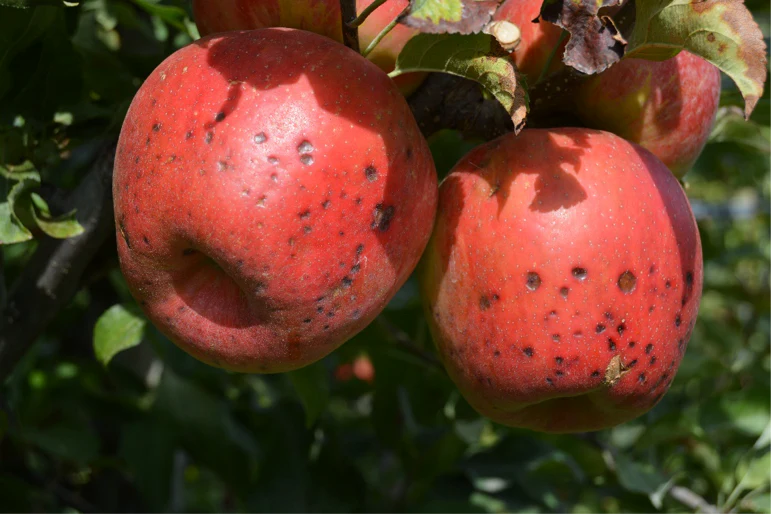
What Is Bitter Pit?
Bitter pit often becomes visible after harvest, but the problem starts during fruit development on the tree. The disorder appears as:
- Small sunken spots under the apple skin
- Brown, dry areas in the flesh
- Bitter taste in affected tissue
Calcium is essential for strong cell walls and healthy cell function. When fruit tissues do not receive enough calcium, cells break down, leading to bitter pit.
Why Apples Develop Calcium Deficiency
Several factors can limit calcium movement into apples:
- Poor soil structure or low natural calcium levels
- Irregular watering, which disrupts nutrient transport
- Excess nitrogen fertilization, causing leaves to compete with fruit for calcium
- Sensitive rootstocks or varieties that are more prone to deficiency
Managing calcium supply during fruit development is the key to prevention.
Method 1: Foliar Spray Application
Foliar spraying delivers calcium directly to leaves and fruit, providing fast and targeted results.
How to Apply Calcium Chloride as a Foliar Spray
1. Preparation
Mix anhydrous calcium chloride in water at a concentration of 0.3%–0.5%.
2. Timing
Start spraying during the fruit enlargement stage, usually in early summer.
3. Frequency
Apply every 10–15 days. Continue treatments until about one month before harvest.
4. Application Method
Spray evenly on foliage and developing fruit. Ensure good coverage but avoid excessive runoff.
Benefits of Foliar Calcium Sprays
- Rapid calcium uptake
- Direct supply to fruit tissue
- Effective reduction of bitter pit incidence
Method 2: Soil Application
Soil application improves calcium availability through the root system, supporting long-term tree nutrition.
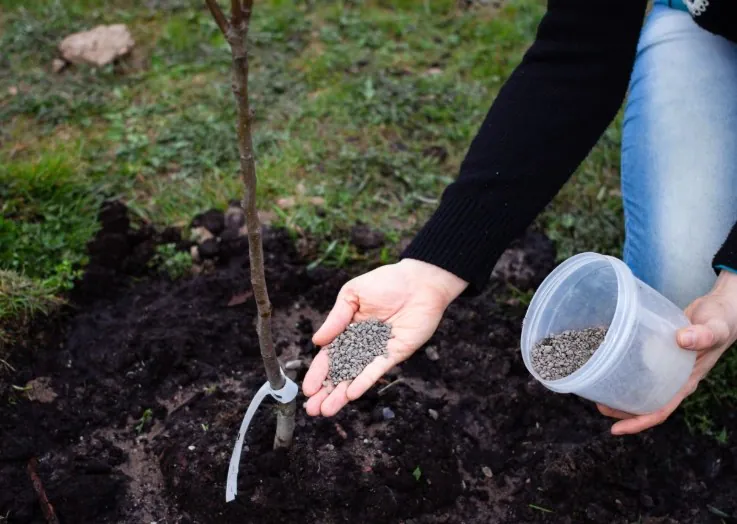
How to Apply Calcium Chloride to Soil
1. Application Rate
Apply 0.5–1 kg of anhydrous calcium chloride per tree.
2. Timing
Best applied in early spring or late fall during the growing cycle.
3. Incorporation
Lightly till into soil or apply with irrigation to move calcium into the root zone.
4. Watering
Irrigate well after application to help roots absorb calcium.
Benefits of Soil Application
- Improves soil calcium levels
- Supports continuous nutrient uptake
- Strengthens overall tree health
Additional Orchard Management Tips
To maximize the effect of calcium treatments:
Regular Monitoring
Test soil and leaf calcium levels to guide fertilization.
Balanced Fertilization
Avoid excessive nitrogen, which increases competition for calcium.
Consistent Irrigation
Stable soil moisture improves calcium transport to fruit.
Conclusion: A Practical Solution for Higher-Quality Apples
Bitter pit can seriously reduce apple quality and storage life, but it can be controlled with proper calcium management. Using anhydrous calcium chloride through foliar sprays and soil treatments ensures apples receive enough calcium during critical growth stages.
Growers who adopt this strategy can achieve:
✔ Fewer bitter pit symptoms
✔ Better storage performance
✔ Higher market value
👉 If you are looking for high-purity anhydrous calcium chloride for orchard use, contact us for product details, technical support, and bulk supply solutions tailored to your apple production needs.