Skip to content
Calcium chloride is widely used in daily life and industry. From winter road de-icing to food processing, it plays an important role. But whenever chemicals are involved, safety always comes first. Understanding the health effects of calcium chloride exposure helps ensure it is used responsibly and safely.
A recent comprehensive review examined both short-term and long-term health impacts of calcium chloride. The findings show that while improper exposure can cause irritation, there are no significant long-term health risks when proper safety measures are followed.
What Is Calcium Chloride and Where Is It Used?
Calcium chloride (CaCl₂) is a highly soluble salt made of calcium and chlorine. Because of its strong moisture-absorbing and melting properties, it is used in many industries:
- De-icing and dust control on roads and construction sites
- Food processing, such as firming canned vegetables and cheese production
- Medical treatments, including electrolyte replenishment
- Industrial applications like concrete curing and water treatment

Because of its wide use, knowing the safe handling practices for calcium chloride is essential.
Health Effects of Calcium Chloride Exposure
Short-Term Exposure Effects
Most health concerns are linked to direct or high-level short-term exposure.
Skin Contact
Calcium chloride may cause:
- Skin irritation
- Redness
- Dryness or mild burns after prolonged contact
Eye Contact
Direct exposure can lead to:
- Strong irritation
- Redness and tearing
- Possible eye damage if not rinsed quickly
Inhalation
Breathing in dust may cause:
- Throat irritation
- Coughing
- Shortness of breath in dusty environments
Ingestion
Swallowing large amounts can result in:
- Nausea
- Vomiting
- Stomach discomfort
These effects are generally temporary and preventable with proper precautions.
Long-Term Exposure: What the Review Found
The review provided reassuring results regarding long-term exposure to calcium chloride under normal working conditions.
- No strong evidence links long-term exposure to chronic respiratory disease
- Skin irritation does not usually develop into permanent skin disorders
- Calcium chloride does not accumulate in the body, as calcium is a natural mineral processed and excreted by the body
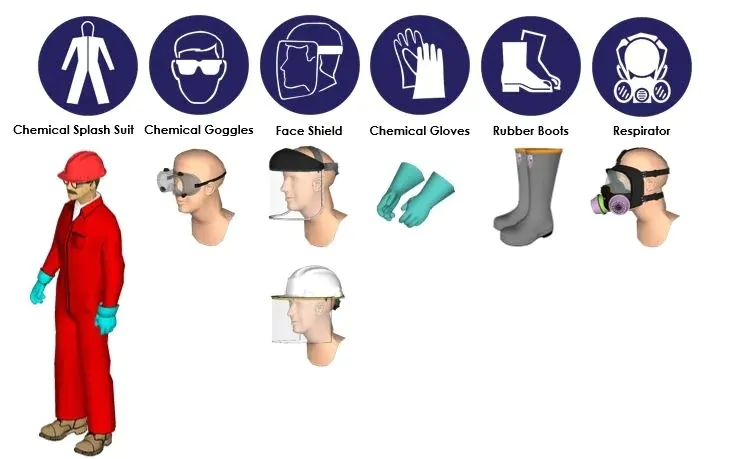
The key conclusion: safe handling prevents long-term health risks.
Safety Measures for Handling Calcium Chloride
To reduce exposure risks, industries should follow established chemical safety protocols.
Personal Protective Equipment (PPE)
✔ Wear gloves to avoid skin contact
✔ Use safety goggles to protect the eyes
✔ Wear a mask or respirator in dusty environments
Safe Handling and Storage
- Ensure good ventilation during use
- Store in a dry, cool area to prevent moisture absorption
- Clean spills quickly to prevent dust formation
Training and Awareness
- Provide worker safety training
- Keep Safety Data Sheets (SDS) accessible
- Establish clear emergency response procedures
Safety in Real-World Applications
Road De-Icing
Workers spreading calcium chloride should use PPE and avoid direct contact. Public awareness and controlled application help minimize exposure risks.
Food Industry
Calcium chloride used in food must follow strict regulatory limits. Food-grade material and proper quality control ensure consumer safety.
Medical Use
In healthcare, calcium chloride is administered under professional supervision, ensuring controlled and safe dosages.
Conclusion
Scientific reviews show that while calcium chloride can cause temporary irritation with improper exposure, there are no significant long-term health risks when safety guidelines are followed. Proper training, protective equipment, and responsible handling are the keys to safe use.
If your company handles calcium chloride in industrial, food, or infrastructure applications, choosing the right grade, proper packaging, and professional technical guidance is essential for both safety and compliance. Our team can help you select suitable products and provide documentation to meet your operational and regulatory requirements.