
For many industrial and municipal treatment plants, chemical expenses account for a significant portion of operating costs. These typically include:
- Coagulants (PAC, alum, ferric salts)
- Flocculants (polyacrylamide)
- pH adjusters
- Sludge conditioning agents
When systems are not optimized, operators often face:
- Overdosing chemicals
- Poor floc formation
- High sludge moisture
- Increased disposal costs
- Frequent process adjustments
Reducing chemical costs is not simply about buying cheaper products. It requires improving treatment efficiency and optimizing polymer performance.
How Polyacrylamide Reduces Total Chemical Consumption
High-performance polyacrylamide (PAM) plays a critical role in lowering overall chemical usage.
1️⃣ Improved Flocculation Efficiency
PAM works through charge neutralization and bridging mechanisms, forming larger and denser flocs.
Benefits include:
- Faster sedimentation
- Clearer supernatant
- Reduced need for excess coagulant
When floc size increases and settling speed improves, total chemical dosage can be reduced without compromising discharge standards.
2️⃣ Lower Sludge Moisture Content
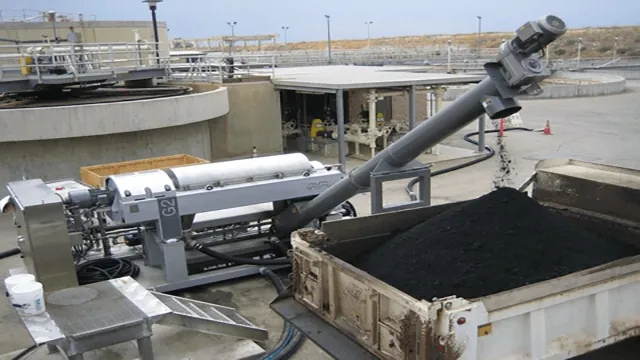
In sludge dewatering applications, optimized cationic PAM can significantly improve cake dryness.
Lower moisture content means:
- Reduced sludge volume
- Lower transportation cost
- Reduced landfill or incineration fees
👉 Optimizing Sludge Dewatering with Cationic PAM
3️⃣ Reduced Need for Secondary Chemicals
When PAM is properly selected:
- Coagulant dosage can often be lowered
- Clarifier performance stabilizes
- Fewer corrective chemicals are required
Selecting the correct grade avoids unnecessary multi-chemical adjustments.
👉 Choosing the Right PAM Grade for Your Industry
Key Strategies to Optimize PAM Usage
Reducing cost is not just about product quality—it also involves application strategy.
✔ Select the Correct Ionic Type
- Cationic PAM for organic sludge
- Anionic PAM for inorganic suspensions
- Customized charge degree for specific wastewater
✔ Optimize Dosage Through Jar Testing
Small dosage adjustments can significantly impact cost per cubic meter.
✔ Ensure Proper Dissolution
- Correct mixing speed
- Proper dilution ratio
- Adequate aging time
Poor preparation leads to ineffective performance and higher consumption.
Cost Calculation: Unit Price vs Total Treatment Cost
Many buyers focus only on price per ton of polymer.
However, real savings depend on:
- Dosage per m³ wastewater
- Sludge moisture reduction percentage
- Disposal cost savings
- Energy reduction in dewatering systems
A higher-quality PAM may have a slightly higher unit price but significantly reduce total operational expenditure.
Why Stable Supply and Consistent Quality Matter
Inconsistent polymer quality can cause:
- Fluctuating treatment performance
- Emergency overdosing
- Equipment instability
As a professional polyacrylamide manufacturer, we provide:
- Stable molecular weight control
- Precise charge customization
- Low residual monomer levels
- Consistent industrial batch production
- Technical support for dosage optimization
Our goal is not just to sell polymer—but to help you reduce total chemical costs sustainably.
When Should You Reevaluate Your Polymer?
If your plant experiences:
- Rising chemical consumption
- High sludge disposal fees
- Unstable clarifier performance
- Frequent parameter adjustments
It may be time to reassess your current polymer grade and supplier.
Reduce Cost Without Sacrificing Performance
Polyacrylamide, when correctly selected and applied, is one of the most effective tools for chemical cost control in wastewater treatment systems.
📩 Contact our technical team today to:
- Request free samples
- Conduct dosage optimization trials
- Receive customized grade recommendations
- Get competitive bulk pricing
Reducing chemical cost starts with choosing the right polyacrylamide partner.