
Many treatment plants underestimate how costly wet sludge really is.
High moisture sludge leads to:
- Increased transportation weight
- Higher landfill fees
- Higher incineration fuel consumption
- Larger storage requirements
Even a small reduction in moisture content can significantly reduce total disposal cost.
The key question is not just “how to dewater,” but:
How to release bound water efficiently?
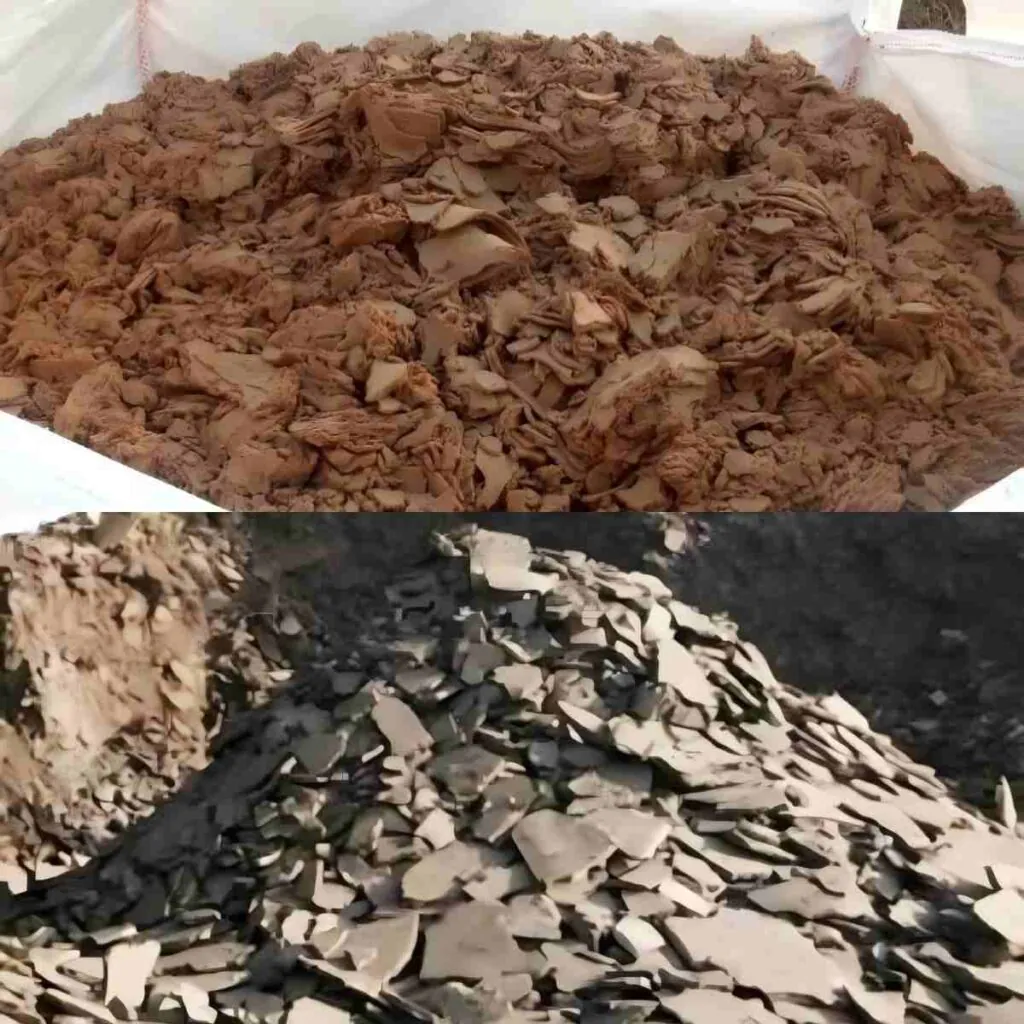
Why Sludge Holds Water
Sludge moisture exists in several forms:
- Free water
- Interstitial water
- Surface-bound water
- Intracellular water
Mechanical equipment alone (belt press or centrifuge) mainly removes free water.
To remove bound water, proper chemical conditioning is essential.
How Polyacrylamide Improves Water Release
Cationic polyacrylamide works by:
1️⃣ Neutralizing negatively charged sludge particles
2️⃣ Forming strong floc bridges
3️⃣ Creating channels for water escape
Stronger and denser flocs improve separation under pressure or centrifugal force.
If you want to understand how polymer selection impacts floc strength, you may read:
👉Enhancing Floc Strength and Stability
Stronger flocs directly improve water release efficiency.
Practical Steps to Reduce Sludge Moisture
Step 1: Select Correct Charge Density
Organic sludge requires properly matched cationic charge levels.
Too low → weak conditioning
Too high → overdosing and cost increase
For detailed grade selection guidance, refer to:
👉 Choosing the Right PAM Grade for Your Industry
Step 2: Optimize Polymer Dosage
Jar testing should determine:
- Minimum effective dosage
- Optimal mixing intensity
- Proper reaction time
Overdosing does not always improve dryness — it may increase viscosity and reduce efficiency.
Step 3: Improve Dissolution Quality
Polymer solution concentration typically ranges from 0.1% to 0.3%.
Poor dissolution leads to:
- Incomplete activation
- Uneven conditioning
- Increased chemical waste
Signs Your Polymer Strategy Needs Adjustment
If you observe:
- Sludge cake sticking
- High centrate turbidity
- Inconsistent dryness
- Rising disposal costs
Your polymer grade or dosage may require optimization.
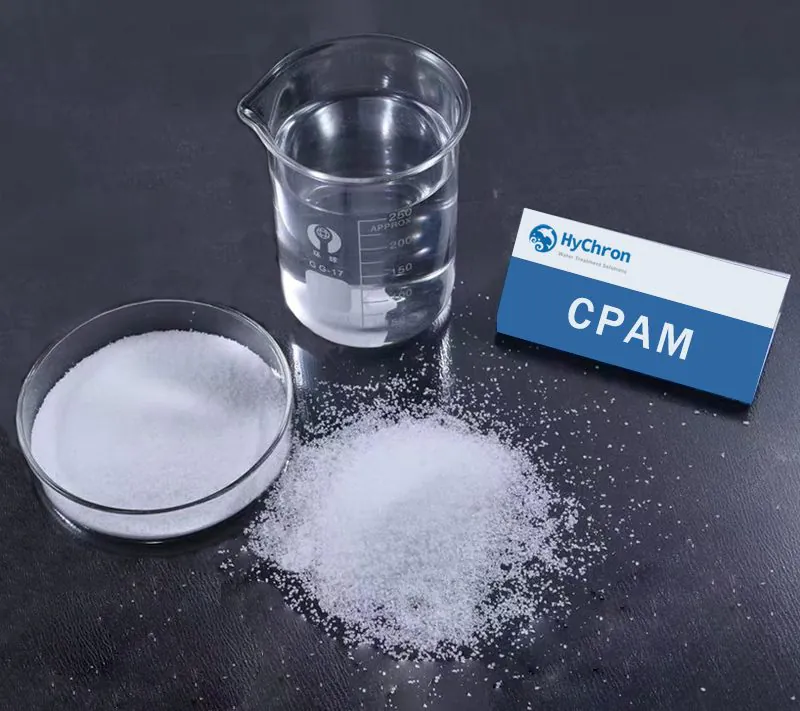
Why Consistent Polymer Quality Matters
Reducing sludge moisture is not only about equipment. Stable polymer performance ensures:
- Predictable sludge conditioning
- Consistent dryness levels
- Lower overall chemical consumption
- Long-term cost control
Our polyacrylamide products offer:
- Controlled molecular weight
- Adjustable charge density
- Stable batch consistency
- Industrial-scale supply capability
We assist clients with sludge analysis and performance optimization to ensure measurable improvement.
Lower Moisture, Lower Cost
Improving sludge dryness is one of the fastest ways to reduce wastewater treatment expenses.
If your facility aims to:
- Reduce sludge volume
- Lower disposal fees
- Improve dewatering stability
- Optimize polymer usage
📩 Contact us today for:
- Free sludge compatibility evaluation
- Sample testing
- Customized polymer recommendations
- Competitive bulk quotation
Better sludge conditioning starts with the right polyacrylamide strategy.