Skip to content
Why Correct PAM Dosage Is Critical
Polyacrylamide (PAM) is widely used as a flocculant in water and wastewater treatment. It helps particles gather together to form larger flocs. These flocs settle faster and are easier to remove.
However, many treatment plants face a common issue: incorrect dosage.
If the dosage is not optimized, several problems may occur:
- Weak floc formation
- Poor settling performance
- High chemical consumption
- Increased sludge treatment cost
Proper dosage optimization helps plants achieve maximum treatment efficiency with minimum chemical usage.
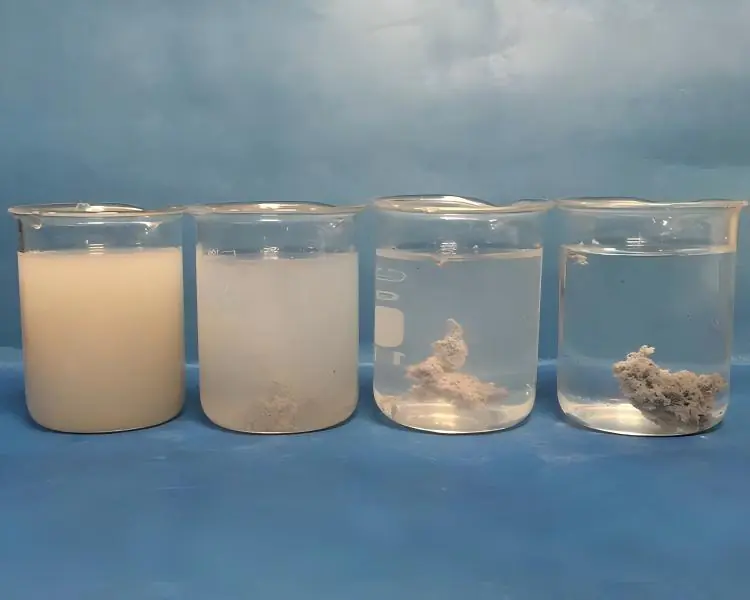
What Happens When PAM Dosage Is Too Low?
When the PAM dosage is insufficient, polymer chains cannot effectively bridge suspended particles.
Typical symptoms include:
- Small flocs
- Slow sedimentation
- Turbid supernatant water
- Low sludge separation efficiency
In this situation, operators may incorrectly assume that the polymer quality is poor. In reality, the dosage may simply be too low.
What Happens When PAM Dosage Is Too High?
Overdosing PAM can also cause serious problems.
Excess polymer may:
- Restabilize particles
- Increase water viscosity
- Produce sticky sludge
- Reduce dewatering performance
Instead of improving treatment, overdosing can actually reduce flocculation efficiency.
If you want to understand how polymer selection affects floc performance, you can also read:
👉 Choosing the Right PAM Grade for Your Industry
Selecting the right polymer grade is the first step before optimizing dosage.
Key Factors That Affect PAM Dosage
Several factors influence the optimal dosage level.
1. Wastewater Characteristics
Different wastewater types require different polymer dosages.
Examples:
- Municipal wastewater
- Textile wastewater
- Mining slurry
- Paper mill effluent
Higher suspended solids usually require higher dosage.
2. Polymer Type
Different PAM types have different charge properties:
- Cationic PAM
- Anionic PAM
- Nonionic PAM
Each type interacts differently with suspended particles.
For municipal wastewater systems, you may also read:
👉 PAM in Municipal Wastewater Treatment Systems
This explains how polymer type selection affects treatment efficiency.
3. Mixing Conditions
Proper mixing ensures that polymer chains contact particles effectively.
Important factors include:
- Mixing intensity
- Contact time
- Polymer dilution concentration
Poor mixing can reduce flocculation performance even if the dosage is correct.
How to Determine the Optimal Dosage
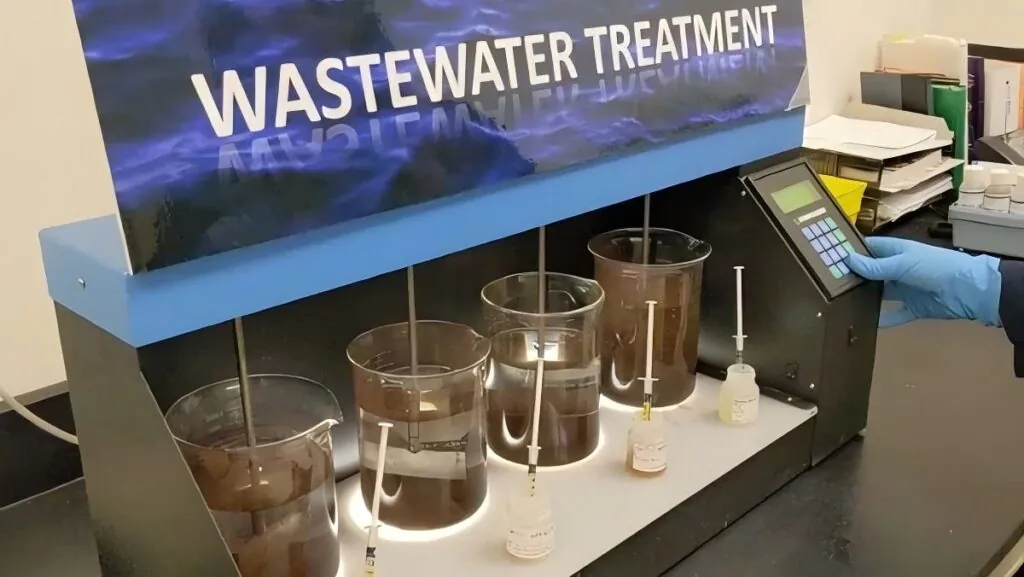
The most reliable method is the Jar Test.
Basic steps include:
- Prepare wastewater samples
- Add different PAM dosages
- Mix and observe floc formation
- Compare settling speed and water clarity
The dosage that produces large, dense, and fast-settling flocs is typically the optimal range.
In most industrial applications, PAM dosage typically ranges between:
1–10 ppm
However, the exact dosage depends on wastewater characteristics.
Advantages of High-Quality PAM
Even with correct dosage, polymer quality still plays a key role.
High-performance PAM offers:
- Faster dissolution
- Stronger floc formation
- Lower dosage requirements
- More stable treatment performance
Our polyacrylamide products are manufactured with strict molecular weight control and stable charge density, ensuring consistent results in industrial treatment systems.
This helps customers reduce chemical consumption and improve operational efficiency.
Get Professional Dosage Support
Every wastewater system is different. The best PAM dosage must be determined based on actual water conditions.
If you are experiencing problems such as:
- Poor floc formation
- High chemical consumption
- Slow sedimentation
- Inefficient sludge dewatering
Our technical team can help you determine the optimal PAM grade and dosage.
📩 Contact us today to receive:
- Free polymer selection advice
- Jar test guidance
- Customized dosage recommendations
- Competitive factory pricing for bulk PAM supply
The right dosage strategy can significantly improve treatment efficiency while reducing long-term operating costs.