Skip to content
Polyacrylamide (PAM) is widely used in wastewater treatment because of its strong flocculation ability. One of the most important factors that determines its performance is molecular weight.
Molecular weight refers to the size and length of polymer chains in the polyacrylamide molecule. It directly affects how the polymer interacts with suspended particles in water.
When the correct molecular weight is selected, polyacrylamide can form large and strong flocs that settle quickly. This improves treatment efficiency and reduces operational costs.
Understanding how molecular weight affects flocculation helps treatment plants select the most suitable polymer for their applications.
What Is Molecular Weight in Polyacrylamide?
In polymer chemistry, molecular weight represents the average size of polymer molecules.
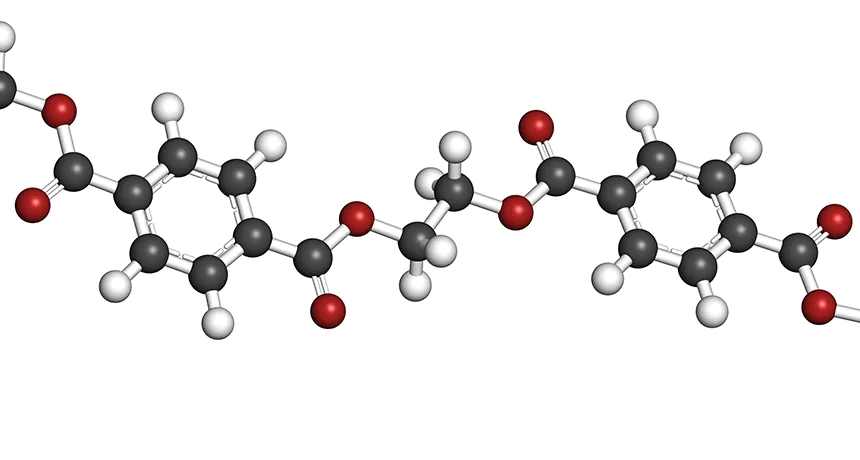
Polyacrylamide is made up of long chains of repeating monomer units. The longer these chains are, the higher the molecular weight.
Typical molecular weight ranges for polyacrylamide used in wastewater treatment include:
- Low molecular weight: below 5 million
- Medium molecular weight: 5–10 million
- High molecular weight: 10–20 million or higher
Higher molecular weight polymers usually provide stronger flocculation performance because their long chains can connect more particles.
How Molecular Weight Affects Flocculation
Flocculation occurs when suspended particles combine to form larger aggregates called flocs. Polyacrylamide helps this process through polymer bridging.
Polymer Bridging Mechanism
Long polymer chains attach to several particles at the same time. This forms bridges that link particles together.
As more particles connect, larger flocs are formed.
Higher molecular weight polymers usually produce:
- larger flocs
- faster settling speed
- better clarification performance
However, extremely high molecular weight polymers may require careful mixing conditions to avoid floc breakage.
Floc Size and Sedimentation Performance
Floc size is a key indicator of flocculation efficiency.
When the polymer molecular weight is appropriate, flocs become:
- larger
- denser
- more stable
These characteristics allow particles to settle faster in sedimentation tanks.
Larger flocs also improve sludge dewatering performance, which reduces sludge disposal costs.
Applications of Different Molecular Weights
Different wastewater treatment processes require different molecular weight polymers.
Low Molecular Weight PAM
Low molecular weight polymers are sometimes used in systems where gentle flocculation is required.
Typical applications include:
- clarification processes
- low suspended solids wastewater
Medium Molecular Weight PAM
Medium molecular weight polymers provide balanced performance and are widely used in:
- municipal wastewater treatment
- industrial wastewater clarification
- primary sedimentation processes
High Molecular Weight PAM
High molecular weight polymers provide the strongest bridging effect.
They are commonly used in:
- sludge dewatering
- mining and mineral processing
- high solids wastewater treatment
High molecular weight polymers help produce larger and stronger flocs, which improve separation efficiency.

Factors to Consider When Selecting Molecular Weight
Selecting the correct molecular weight requires understanding the characteristics of the treatment system.
Key factors include:
- suspended solids concentration
- wastewater composition
- mixing conditions
- treatment process design
Laboratory jar testing is often used to evaluate polymer performance before full-scale application.
👉 Related guide:
Understanding Charge Density in PAM
Charge density and molecular weight together determine the overall performance of polyacrylamide.
Benefits of Using High-Quality PAM
The quality of polyacrylamide products also affects molecular weight stability and treatment performance.
High-quality PAM offers several advantages:
- consistent molecular weight distribution
- strong flocculation ability
- fast dissolution in water
- stable performance in different wastewater conditions
These characteristics help treatment plants achieve reliable results with lower polymer consumption.
👉 You may also read:
How to Calculate PAM Dosage Accurately
Optimizing dosage ensures that polymer performance and cost efficiency are balanced.
Conclusion
Molecular weight is one of the key factors that determine the flocculation performance of polyacrylamide. Higher molecular weight polymers usually produce stronger bridging effects, resulting in larger flocs and faster sedimentation.
Selecting the correct molecular weight based on wastewater characteristics and treatment requirements can significantly improve wastewater treatment efficiency.
Combined with proper charge density and dosage control, the right polyacrylamide can deliver stable treatment performance and reduce operational costs.
If your treatment system requires high-performance polyacrylamide with optimized molecular weight and consistent quality, our team can help you select the most suitable product for your application.
Contact us today to receive expert technical support and competitive pricing for high-quality polyacrylamide solutions.