Skip to content
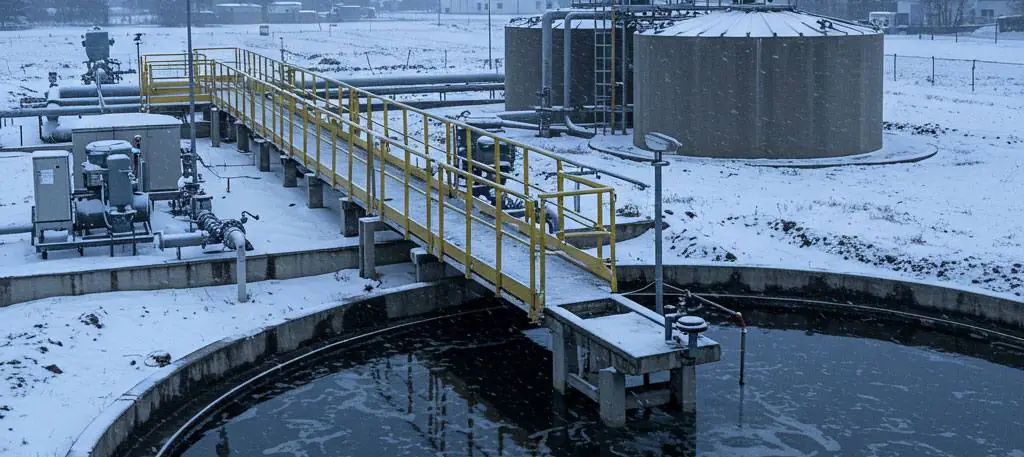
Winter is the most demanding season for wastewater treatment operations. Cold temperatures simultaneously reduce polymer performance, slow biological treatment, increase water viscosity, and — in many regions — bring higher hydraulic loading from rainfall or snowmelt. Facilities that managed treatment comfortably through spring and summer often struggle to maintain compliance through winter without additional measures.
The good news is that winter treatment challenges are predictable. Unlike process upsets or equipment failures, cold weather arrives on schedule — giving facilities the opportunity to prepare rather than react. Treatment plants that plan their winter strategy in autumn consistently maintain better performance and lower compliance risk than those that respond to deteriorating performance after temperatures have already dropped.
This guide covers the full range of winter operational adjustments for PAM-based treatment systems — across polymer preparation, grade selection, dosage management, equipment protection, and biological treatment support.
Understanding the Winter Performance Challenge
Cold weather affects PAM-assisted treatment through multiple simultaneous mechanisms:
Reduced polymer dissolution rate: Water below 15°C hydrates PAM chains significantly more slowly than warm water. Standard 30-minute preparation times produce partially extended chains at low temperatures — delivering less active polymer than the nominal concentration suggests.
Reduced chain extension in solution: Even fully dissolved PAM chains extend less fully in cold, viscous water — reducing bridging reach and floc size compared to warm-water performance.
Increased water viscosity: Cold water is more viscous than warm water — approximately twice as viscous at 5°C compared to 25°C. Higher viscosity reduces particle collision frequency and slows settling velocity, compounding the polymer performance reduction.
Slower biological treatment: For facilities with biological treatment stages upstream of polymer-assisted clarification, cold temperatures reduce microbial activity — potentially increasing the concentration of fine biological solids reaching the polymer treatment stage.
Higher hydraulic loading: In many regions, winter brings increased rainfall, snowmelt, or combined sewer overflow events that raise hydraulic loading on treatment systems already operating below optimal chemical performance.
The cumulative effect can reduce treatment efficiency by 30–50% compared to summer conditions if no winter adjustments are made.
Strategy 1: Pre-Heat Polymer Preparation Water
The single highest-impact winter adjustment available to most facilities. Maintaining preparation water above 20°C preserves full polymer dissolution quality regardless of ambient temperature — delivering fully extended polymer chains to the treatment system even when the surrounding environment is near freezing.
Pre-heating options by facility type:
For large continuous operations, a dedicated heat exchanger on the preparation water supply line is the most reliable solution — providing consistent temperature control with minimal operator attention.
For medium-sized facilities, steam injection into the preparation tank is effective but requires careful temperature monitoring to avoid exceeding 40°C, above which thermal degradation of polymer chains begins.
For smaller operations, blending warm process water with cold supply water is often the simplest solution — process water from heat-generating equipment is frequently available at 25–35°C and can be used directly for polymer preparation.
At all scales, insulating preparation tanks significantly reduces heat loss — a low-cost measure that extends the effectiveness of whatever heating approach is used.
Target: Preparation water temperature 20°C–35°C regardless of ambient conditions.
Request winter-grade PAM samples and technical support before temperatures drop. → Get in touch today
Strategy 2: Extend Preparation Mixing Time
Where pre-heating is not immediately feasible, extending mixing time partially compensates for slower hydration at low temperatures. This is not a complete substitute for pre-heating — at temperatures below 10°C, chain extension remains incomplete regardless of mixing duration — but it captures meaningful improvement in the 10°C–20°C range.
Adjusted mixing times by water temperature:
| Water Temperature | Minimum Mixing Time |
|---|---|
| 20°C – 35°C | 30 minutes (standard) |
| 15°C – 20°C | 45–50 minutes |
| 10°C – 15°C | 60–75 minutes |
| Below 10°C | Pre-heating strongly recommended |
Implementing extended mixing time requires either larger preparation tank capacity (to maintain adequate supply during longer batch times) or more frequent smaller batches. For facilities with two-tank or three-tank preparation systems, simply extending the aging period in Tank 2 before transfer to Tank 3 achieves this without any equipment change.
Strategy 3: Switch to a Higher Molecular Weight Grade for Winter
Higher molecular weight PAM provides two winter-specific performance advantages: longer chains have more bridging points per molecule, partially compensating for reduced chain extension in cold water; and larger flocs formed by high-MW polymer settle faster, partially offsetting the increased water viscosity effect.
For facilities using a single grade year-round, maintaining a second, higher-MW grade for winter operation — typically 2–3 million Daltons above the summer grade — is a practical approach that many industrial operations adopt after experiencing their first significant winter performance decline.
Typical seasonal grade approach:
- Summer grade: 12–15 million Daltons anionic
- Winter grade: 16–20 million Daltons anionic
The higher-MW winter grade typically achieves comparable performance to the summer grade at 10–20% lower dosage in cold conditions — often partially offsetting the higher cost per kilogram of the higher-MW product.
For guidance on grade selection, see: Molecular Weight and Its Impact on Flocculation
Strategy 4: Adjust Dosage Proactively as Temperature Drops
Winter dosage increases should be implemented proactively — before performance deteriorates — rather than reactively after effluent turbidity rises. Reactive dosage management in cold weather typically overshoots the true optimum, increasing chemical cost without fully restoring performance.
Proactive adjustment approach:
Establish temperature-dosage relationships through seasonal jar testing. At the start of autumn, conduct jar tests at current ambient temperature. As temperature drops through the season, conduct fresh jar tests monthly to confirm how dosage requirements change with temperature at your specific facility.
From these tests, develop a simple dosage table — temperature versus recommended dosage — that operators can reference without laboratory testing. This operational protocol eliminates the reactive cycle of performance deterioration followed by dosage increase.
Conservative dosage increase guideline (where jar testing is not immediately available):
- Below 15°C: increase dosage 10–15% above summer optimum
- Below 10°C: increase dosage 20–25% above summer optimum
- Below 5°C: consider grade upgrade alongside dosage increase
Always increase in steps of 10% maximum, confirming performance improvement before further increase. Cold-water overdosing risk is real — the optimum window may be narrower in cold water due to reduced chain extension limiting the overdose threshold.
Strategy 5: Protect Emulsion PAM from Freezing
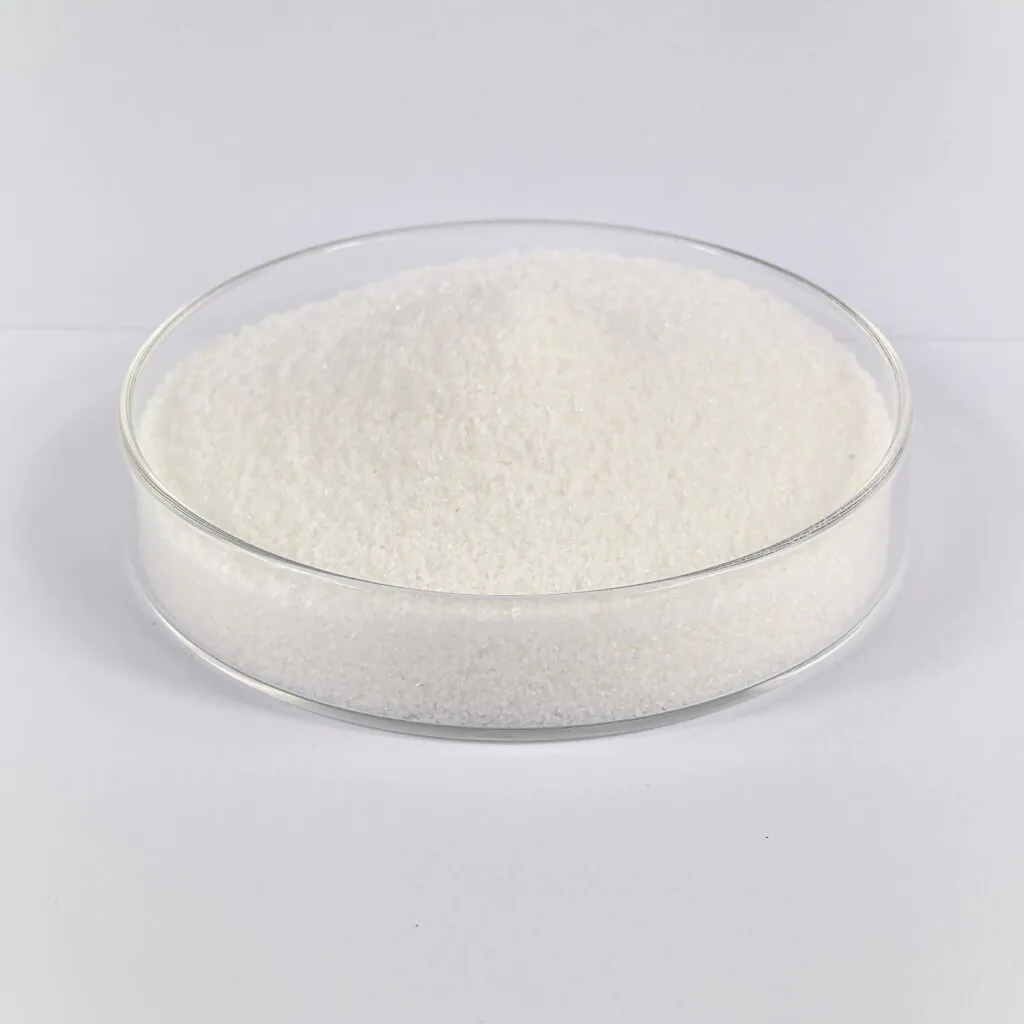
Facilities using emulsion PAM face an additional winter challenge that dry powder users do not: freezing. Emulsion PAM stored or transported below 5°C can freeze, causing irreversible phase separation that makes the product completely unusable.
Winter emulsion PAM management:
- Store in heated warehouses above 5°C at all times — do not rely on ambient warehouse temperature in cold climates
- Request temperature-controlled transport for winter deliveries and ask suppliers for transit temperature logs
- Inspect drums after any cold transit event — do not assume product is usable if it has been exposed to near-freezing temperatures
- Consider switching to dry powder PAM during winter months if temperature-controlled storage and logistics are difficult to maintain
For dry powder PAM, cold storage does not damage the product — but condensation when cold bags are moved into warm, humid environments can cause surface moisture damage. Allow cold bags to equilibrate to ambient temperature before opening.
Strategy 6: Adjust Biological Treatment for Cold Conditions
For facilities with biological treatment stages upstream of polymer-assisted clarification, winter biological performance directly affects polymer demand. Cold-stressed biological systems produce more fine biological solids and less completely treated organic matter — increasing the load on the polymer treatment stage.
Winter biological treatment adjustments that reduce downstream polymer demand:
- Increase sludge retention time (SRT) — longer sludge age improves cold-weather microbial activity
- Reduce hydraulic loading where production scheduling allows
- Increase aeration intensity to compensate for reduced oxygen transfer efficiency in cold water
- Monitor mixed liquor suspended solids (MLSS) and adjust wasting rate to maintain target concentration
A well-managed biological stage in winter reduces the compensatory polymer dosage increase needed by 30–50% compared to a poorly managed biological system under the same temperature conditions.
Winter Preparation Checklist
Complete these steps before the first significant temperature drop each year:
- Inspect and test preparation water heating system
- Insulate preparation tanks if not already insulated
- Conduct seasonal jar test at current temperature to establish winter dosage baseline
- Order winter-grade PAM if a higher-MW seasonal grade is used
- Confirm emulsion PAM storage heating is operational
- Brief operators on extended mixing time requirements
- Update dosage protocols with temperature-based adjustment guidelines
- Check biological treatment parameters and adjust SRT for cold weather
Frequently Asked Questions
At what temperature does PAM performance start declining significantly?
Performance decline begins noticeably below 15°C for most grades, with significant impact below 10°C. High-MW grades show less relative performance decline than lower-MW grades in cold water — an additional reason to consider a seasonal grade upgrade. At temperatures below 5°C, pre-heating preparation water is essentially mandatory for consistent performance.
Should we run jar tests differently in winter?
Yes. Always conduct winter jar tests using wastewater at its actual ambient temperature — not warmed to room temperature first. Testing at elevated temperature overestimates full-scale performance and leads to underestimating the dosage increase needed. Jar test results at actual operating temperature are the only reliable basis for winter dosage optimization.
How do we manage treatment during unexpected cold snaps before winter preparations are complete?
Immediate measures: extend preparation mixing time to maximum available (60–90 minutes), increase dosage by 15–20% in steps while monitoring performance, and reduce hydraulic loading if production scheduling allows. These are temporary measures while longer-term winter adjustments (pre-heating, grade upgrade) are implemented. Contact your supplier for an emergency trial of a higher-MW grade if standard product performance is inadequate.
Conclusion
Winter wastewater treatment challenges are predictable, manageable, and significantly less costly to prevent than to react to. The six strategies in this guide — pre-heating preparation water, extending mixing time, upgrading to higher-MW grades, proactive dosage adjustment, protecting emulsion PAM, and optimizing biological treatment — together provide a comprehensive approach to maintaining treatment performance through the most demanding operational season.
Facilities that implement these strategies in autumn, before temperatures drop, consistently maintain better compliance, lower chemical costs, and more stable operations through winter than those that respond reactively after performance has already deteriorated.
Contact our technical team today to discuss winter grade recommendations and preparation system advice for your climate and facility. → Contact our technical team today