
Written by the HyChron Technical Team — water treatment specialists with over 15 years of field experience in municipal and industrial systems. Last reviewed: April 2026
For water treatment operators and procurement managers in markets where domestic PAC production is limited or unavailable, importing PAC from international suppliers is the only practical supply option. Getting cross-border PAC procurement right — understanding documentation requirements, quality verification, import regulations, and logistics planning — prevents the delays, quality surprises, and compliance problems that poorly managed international chemical procurement creates.
This article covers what buyers in import markets need to understand before placing their first international PAC order, and the ongoing management practices that make import supply reliable over time.
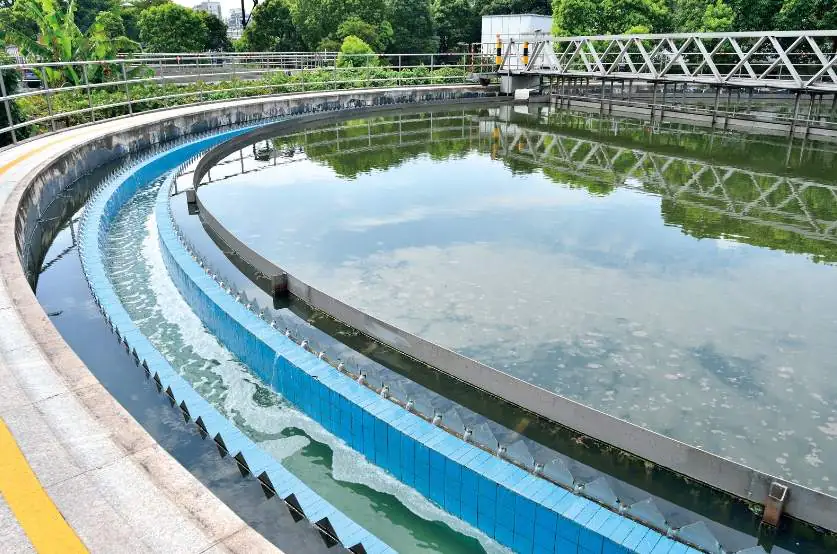
What Import Buyers Need to Know Before Ordering
1. Import Permit and Regulatory Requirements
Many countries require a specific permit or registration for importing industrial chemicals, including water treatment coagulants. Requirements vary significantly by country:
- Some markets (certain African, Asian, and Latin American countries) require a chemical import permit from the environmental or industry ministry before a shipment can clear customs
- Drinking water applications may additionally require the importing authority to register the chemical for use in drinking water treatment — separate from a general import permit
- UN number and IMDG declaration is required for liquid PAC (UN 3265, Class 8) for sea freight; powder PAC is typically non-hazmat and does not require IMDG declaration
Action: Contact your local customs authority or a licensed freight forwarder before placing your first international PAC order. Identify all required permits and their lead times. Factor permit lead time into your procurement schedule — import permits in some markets take 4–8 weeks to obtain.
2. Export Documentation from the Supplier
A complete PAC export documentation package should include:
| Document | Purpose | Who Provides |
|---|---|---|
| Commercial invoice | Value declaration for customs | Supplier |
| Packing list | Contents and package count | Supplier |
| Certificate of Origin | Country of manufacture (may affect import duties) | Supplier + Chamber of Commerce |
| Certificate of Analysis (batch-specific) | Product quality verification | Supplier’s QC department |
| Safety Data Sheet (SDS) | Hazard classification and handling information | Supplier |
| MSDS/Technical Data Sheet | Product specifications | Supplier |
| NSF/ANSI 60 or EN 883 certificate | Drinking water application certification (if required) | Certifying body |
| Phytosanitary/fumigation certificate | Required by some markets for all chemical imports | Freight forwarder / inspection body |
Request this full documentation package from your supplier before shipment. Incomplete documentation causes customs clearance delays that can be measured in weeks.
3. Incoterms and Who Bears What Risk
Understanding Incoterms (International Commercial Terms) is essential for cost and risk planning:
- EXW (Ex Works): Supplier loads at factory gate; buyer bears all freight, insurance, and import costs. Lowest supplier price, highest buyer logistics responsibility.
- FOB (Free on Board): Supplier delivers to port and loads; buyer bears sea freight, insurance, and import costs. Common for bulk container shipments.
- CIF (Cost, Insurance, Freight): Supplier bears sea freight and insurance to destination port; buyer handles import clearance and inland delivery. Risk transfers to buyer at destination port.
- DDP (Delivered Duty Paid): Supplier bears all costs including import duties and delivery to buyer’s facility. Highest supplier price, minimum buyer logistics responsibility.
For first-time importers, CIF or DDP terms reduce logistics complexity — the supplier manages the international portion of the supply chain. Once you have experience with the import process, FOB terms typically offer better total landed cost.
4. Lead Time Planning
International PAC procurement involves significantly longer lead times than domestic supply:
| Supply Route | Typical Lead Time |
|---|---|
| Domestic supply | 1–2 weeks |
| Regional (within continent) | 2–4 weeks |
| International (China to Southeast Asia) | 3–5 weeks |
| International (China to Africa/Middle East) | 5–8 weeks |
| International (China to Europe/Americas) | 6–10 weeks |
Safety stock implication: Safety stock of 45–60 days is typically needed for international supply versus 14–30 days for domestic supply.
Quality Verification for Import Supply
International distance makes quality problems harder to resolve quickly. A shipment of substandard PAC that arrives 6 weeks after ordering creates a supply crisis if the problem is only discovered on arrival.
Pre-Shipment Verification
For significant order volumes, request pre-shipment sampling and testing:
- Ask the supplier to provide a sample from the production batch before loading
- Have the sample tested by an independent laboratory (in the supplier’s country or internationally — many accredited laboratories accept international samples)
- Confirm results against specification before authorizing shipment
This adds 1–2 weeks to the procurement timeline but eliminates the risk of receiving a non-conforming shipment.
Arrival Inspection
On arrival of every shipment:
- Check packaging integrity (powder) or tanker/IBC condition (liquid)
- Verify batch numbers on packaging against the COA provided by the supplier
- Conduct basic field tests: density measurement (liquid), dissolution test (powder)
- Retain a representative sample from the delivery for 90 days
For detailed quality checks: How to Identify High-Quality PAC

Risk Management for International PAC Supply
Risk: Supply disruption from logistics delay Mitigation: Safety stock of 45–60 days; qualify a secondary supply source (either domestic or alternative international); monitor lead times proactively and reorder before safety stock is depleted.
Risk: Currency fluctuation affecting landed cost Mitigation: Negotiate pricing in a stable currency (USD or EUR); consider forward contracts for large volumes if significant currency risk exists in your market.
Risk: Quality failure in shipment Mitigation: Pre-shipment testing for significant orders; arrival inspection protocol; clear contract terms specifying remedy for non-conforming deliveries (rejection, replacement at supplier cost, consequential cost recovery).
Risk: Import permit delay Mitigation: Obtain and maintain import permits in advance of need; work with an experienced freight forwarder familiar with chemical import requirements in your market.
Risk: Cold-chain issue for liquid PAC in cold climates Mitigation: Specify heated ISO tanks or insulated containers for winter shipments; switch to powder PAC for remote or cold-climate locations where liquid PAC cold-chain management is impractical.
Working with a Freight Forwarder
For first-time international chemical importers, working with an experienced freight forwarder who handles chemical imports in your market is strongly recommended. A good freight forwarder:
- Knows the import permit requirements for your country and can manage the application process
- Handles IMDG declaration for liquid PAC shipments
- Manages customs clearance and duty payment
- Can arrange pre-shipment inspection if required
- Provides real-time shipment tracking
The cost of a freight forwarder is typically 2–5% of shipment value — well justified by the reduction in customs delay risk and documentation error.
For packaging and transport format details: Transporting Liquid vs Powder PAC: A Practical Guide
Frequently Asked Questions
What is the typical import duty rate for PAC in developing markets?
Import duty rates for PAC vary significantly by country — from 0% in free trade agreement markets to 15–25% in some protectionist markets. The HS code for PAC (typically HS 2827.32 or 2833.22 depending on product classification) determines the applicable duty rate. Confirm the correct HS code and applicable duty rate with your customs authority or freight forwarder before cost planning for import supply.
We are importing PAC for drinking water use — do we need any special certification from the exporting country?
In addition to the product certification (NSF/ANSI 60 or EN 883), some importing countries require a Health Certificate or Certificate of Compliance from the exporting country’s health or environmental ministry confirming that the product is approved for drinking water use in the country of manufacture. Ask your supplier and freight forwarder whether your specific import country requires this document.
Can we source PAC locally produced in our country rather than importing?
In many developing markets, local PAC production is available but may be limited in quality range or certification level. Assess local options against the same quality criteria — basicity, Al₂O₃ content, heavy metal compliance, batch COA documentation — that you would apply to international suppliers. Local supply advantages (shorter lead time, lower freight cost, no import permit requirement) are significant if quality can be verified.
Conclusion
International PAC procurement is manageable with the right preparation — understanding import permit requirements, specifying complete export documentation, planning safety stock for longer lead times, and implementing pre-shipment quality verification. The buyers who experience problems with import supply are almost always those who underestimated lead times, skipped quality verification, or did not obtain import permits before ordering.
For facilities in markets where domestic supply is limited, importing PAC — particularly powder PAC — is a reliable supply strategy when managed with the attention to documentation and quality verification that international chemical procurement requires.
Contact our technical team today for export documentation support, pre-shipment sample arrangements, import requirement guidance for your market, and current pricing for international supply. We respond within 24 hours.