
Written by the HyChron Technical Team — water treatment specialists with over 15 years of field experience in municipal and industrial systems. Last reviewed: April 2026
For buyers and suppliers operating in or entering developing market water treatment sectors, understanding the drivers of PAC demand — and the specific operational and procurement challenges in these markets — is essential for developing supply relationships that work in practice.
Developing markets represent the fastest-growing segment of global PAC demand. Urbanization, industrialization, and tightening water quality standards are converging to create significant and sustained investment in water treatment infrastructure across Africa, Southeast Asia, South Asia, and Latin America. For operators and buyers in these markets, PAC is often the first chemical coagulant being specified at scale — and getting supply, quality verification, and application guidance right from the start prevents costly operational problems down the line.
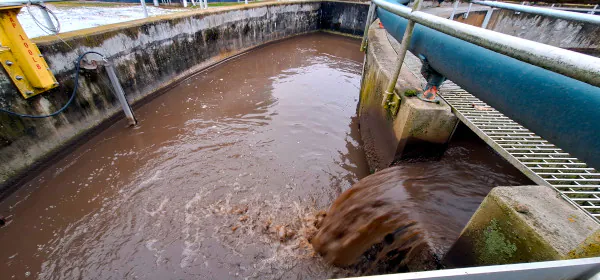
What Is Driving PAC Demand in Developing Markets
Urbanization and Population Growth
Rapid urban population growth in sub-Saharan Africa, South Asia, and Southeast Asia is outpacing existing water supply infrastructure. New municipal water treatment plants and expansions to existing systems are being built at unprecedented rates, and PAC is the coagulant of choice in most new designs due to its wider operational flexibility compared to alum.
International Development Finance
World Bank, Asian Development Bank, African Development Bank, and bilateral development finance institutions are financing a significant proportion of new water treatment infrastructure in developing markets. These institutions typically specify international standards (WHO, EU) for treatment chemical quality, driving demand for certified PAC products that meet NSF/ANSI 60 or EN 883 specifications.
Industrial Expansion and Discharge Compliance
Growing manufacturing sectors — textiles in Bangladesh, Vietnam, and Ethiopia; mining in DRC, Zambia, and Peru; food processing across Southeast Asia — are generating industrial wastewater that requires treatment before discharge. National environmental agencies in these countries are increasingly enforcing discharge standards, driving industrial PAC demand.
Water Scarcity and Recycling Pressure
Water stress in many developing market regions — including parts of India, Middle East, North Africa, and sub-Saharan Africa — is creating demand for water recycling and reuse systems that require effective coagulation as the primary physical-chemical treatment step.
Core Value of PAC for Developing Market Applications
For operators in developing markets who are evaluating coagulant options, PAC’s advantages are particularly relevant:
Operational simplicity. PAC’s wide pH range (5.0–9.0) reduces the need for pH adjustment chemicals — an operational simplification that matters in facilities with limited operator training and variable chemical supply. Alum’s pH sensitivity creates treatment failures in contexts where careful pH monitoring is not consistently maintained.
Performance in variable source water. Rivers and surface water sources in tropical regions show extreme turbidity variation with rainfall season. PAC’s faster floc formation and wider effective range handles these variations more reliably than alum, which requires more precise operational control.
Cold-water independence (for high-altitude markets). High-altitude treatment plants in the Andes, Himalayas, and Ethiopian highlands operate at water temperatures that challenge alum performance. PAC’s temperature stability is an operational advantage in these settings.
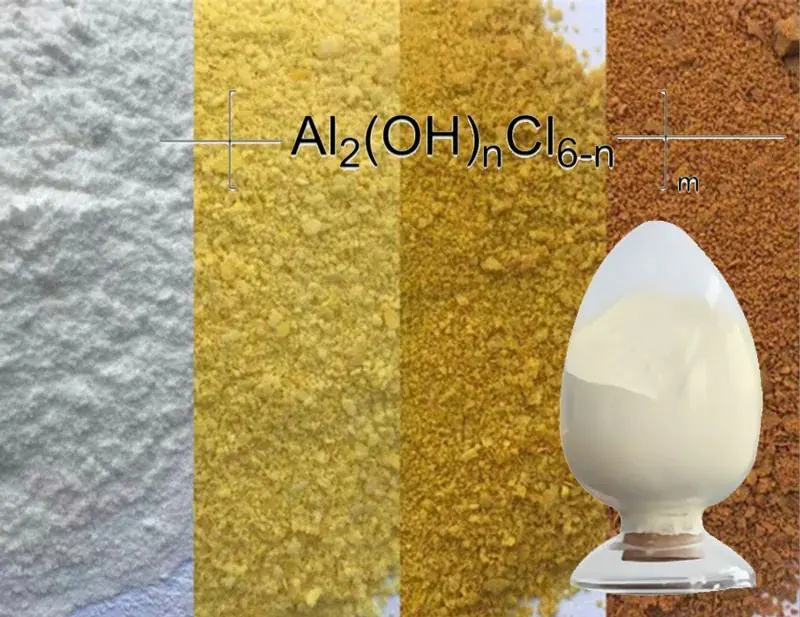
Powder form for remote supply. Powder PAC’s non-hazmat status, longer shelf life (12–24 months), and three times more active ingredient per tonne of freight make it the practical supply format for remote installations far from industrial chemical supply chains.
Key Selection and Risk Considerations for Developing Market Buyers
Risk 1 — Quality Verification in Markets with Limited Laboratory Access
In developing markets, independent laboratory verification of PAC quality is often more difficult to access than in developed markets. Low-quality PAC — with low basicity, high heavy metals, or inconsistent Al₂O₃ content — may enter markets without effective quality gatekeeping.
Practical approach:
- Require suppliers to provide NSF/ANSI 60, EN 883, or equivalent certification, or compliance with WHO drinking water chemical guidelines
- Request batch-specific COA with heavy metal panel for every delivery
- For drinking water applications, specify that product must meet WHO chemical safety guidelines for drinking water treatment chemicals
- Where local laboratory capacity allows, conduct periodic independent verification
Risk 2 — Supply Chain Reliability
Supply chain disruptions — port delays, customs clearance backlogs, logistical constraints in-country — are more frequent and more impactful in developing markets than in developed markets. A treatment plant that runs out of PAC faces immediate compliance risk.
Practical approach:
- Maintain 45–60 days of safety stock — more than the 14–30 days appropriate in developed markets
- Qualify two supply sources (primary + backup) before committing to a treatment program
- Powder PAC’s longer shelf life makes higher safety stock practical without quality degradation risk
Risk 3 — Local Technical Support Availability
Operators in developing markets often have limited access to technical support for coagulation chemistry troubleshooting. Without local technical expertise, jar testing is rarely conducted, dosages are set by rule of thumb, and performance problems persist undiagnosed.
Practical approach:
- Source from suppliers who can provide remote technical support (video consultation, written troubleshooting guidance)
- Request dosage guidance documentation tailored to your specific water source and treatment targets at the time of first supply
- Our team provides technical support in English, Mandarin, Spanish, and French for developing market customers
Risk 4 — Currency and Payment Risks
International PAC procurement involves currency risk, payment term limitations, and in some markets, import permit requirements.
Practical approach:
- Negotiate pricing in a stable currency (USD, EUR) with an appropriate exchange rate adjustment mechanism
- Confirm import permit requirements and lead times for chemical imports in your country before placing an order
- Consider pre-payment or LC (letter of credit) terms for initial orders with new suppliers — reduces supplier credit risk and may enable better pricing
Practical Guidance for First-Time PAC Buyers in Developing Markets
Step 1 — Characterize Your Source Water
Collect turbidity (NTU), pH, and temperature data across at least one full seasonal cycle before designing a PAC program. Understanding the variability range determines the dose range you need to plan for and the mixing and storage capacity required.
Step 2 — Start with a Small Trial Order
Before committing to a full container or large bulk order, request a 200–500 kg trial quantity of powder PAC. Conduct jar tests with your local source water at current conditions to confirm performance and establish the dosage range before scaling up.
Step 3 — Build Simple Dosing Infrastructure
For remote or lower-resource facilities, a simple gravity-feed dissolution and dosing system for powder PAC requires no electricity and minimal maintenance:
- A dissolution tank (HDPE, 500–1,000 liter) with a manual agitator
- A head tank for gravity feed to the dosing point
- A calibrated flow control valve or simple peristaltic pump
Our technical team can provide design guidance for low-resource dosing systems appropriate for developing market contexts.
For storage and dissolution guidance: Different Types of PAC: Liquid vs Powder
Frequently Asked Questions
Is imported PAC from China suitable for developing market applications?
Chinese-manufactured PAC spans the full quality range — from high-quality, NSF/ANSI 60 certified products manufactured by major producers to commodity-grade products with variable basicity and limited documentation. Chinese PAC is not inherently inferior or superior — the quality of the specific product and manufacturer determines suitability. Always request and verify certification and batch COA documentation regardless of origin.
What is the minimum viable PAC dosing system for a small rural water supply?
A functioning PAC dosing system for a small plant (< 100 m³/day) can be built with: a 200-liter dissolution tank, a manual or motorized stirrer, a small head tank, and a gravity feed line to the flash mixing point. We can provide detailed design drawings and equipment specifications for low-resource dosing systems tailored to your specific flow rate and treatment targets.
Can we use PAC without a dedicated mixing system?
Effective coagulation requires adequate flash mixing immediately after dosing. At very small scale (< 10 m³/day), dosing PAC into a manually stirred vessel and then transferring to a settling tank can work, though it is less reliable than a dedicated mixing system. At any flow above 10 m³/day, even a simple in-line static mixer or baffled channel achieves much more consistent results than manual mixing.
Conclusion
Developing markets represent the fastest-growing segment of global PAC demand — driven by urbanization, industrial growth, and international development finance that references global water quality standards. For buyers and operators in these markets, PAC’s operational advantages over alum are particularly compelling, and the availability of powder PAC for remote supply solves the logistical challenges that liquid coagulant supply faces in these settings.
The key success factors in developing market PAC programs are: quality verification from the outset, adequate safety stock to absorb supply chain variability, and access to technical support for dosing optimization and troubleshooting.
Contact our technical team today for developing market supply options, powder PAC export documentation, dosing system design support, and application guidance for your specific location and water source. We respond within 24 hours.

