 Skip to content
Polyacrylamide (PAM) is one of the most widely used flocculants in water and wastewater treatment. Based on ionic properties, PAM is mainly divided into anionic and cationic types. Although they belong to the same polymer family, their application fields and working mechanisms are very different.
Understanding the difference between anionic and cationic polyacrylamide is essential for choosing the correct product and achieving stable treatment performance.
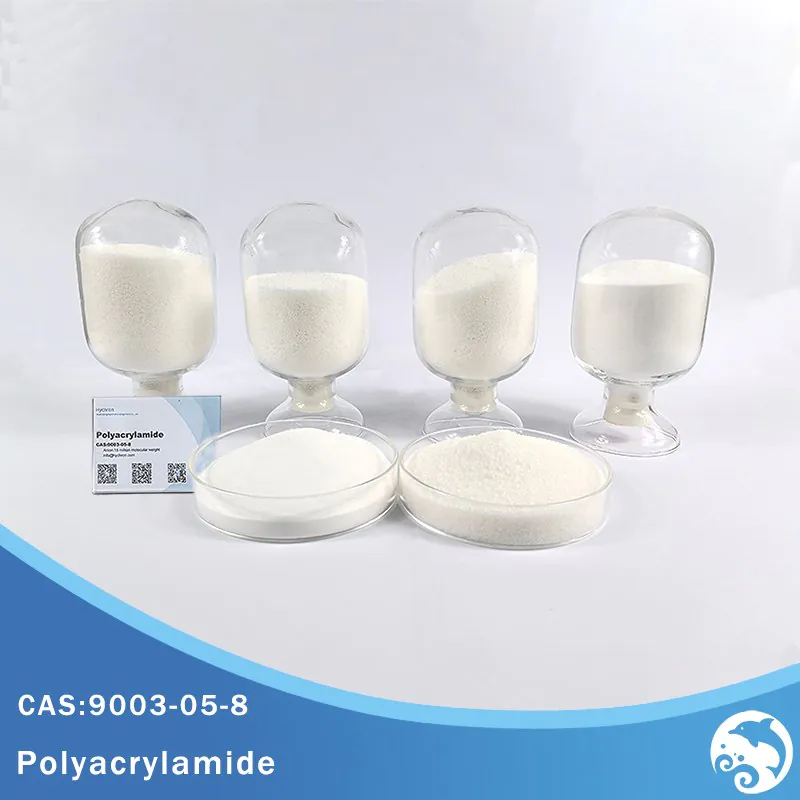
What Is Anionic Polyacrylamide?
Anionic polyacrylamide (APAM) is a water-soluble polymer with negatively charged functional groups on its molecular chain. It usually has a high molecular weight and strong bridging ability.
APAM mainly works through adsorption and bridging, making suspended solids aggregate into larger flocs that settle quickly.
Typical Applications of Anionic PAM
- Mineral processing wastewater
- Sand washing wastewater
- Coal washing wastewater
- Inorganic sludge dewatering
- Industrial wastewater with low organic content
APAM is especially effective for wastewater containing positively charged or neutral inorganic particles.
What Is Cationic Polyacrylamide?
Cationic polyacrylamide (CPAM) carries positively charged groups on its polymer chain. These charges allow CPAM to neutralize negatively charged organic colloids and sludge particles.
CPAM combines charge neutralization and polymer bridging, making it very effective for organic sludge conditioning and dewatering.
Typical Applications of Cationic PAM
- Municipal sewage sludge
- Papermaking sludge
- Textile and dyeing wastewater
- Food processing wastewater
- High-organic industrial wastewater
CPAM is widely used where sludge contains high organic matter and negative surface charge.
Key Differences Between Anionic and Cationic Polyacrylamide
| Item | Anionic PAM | Cationic PAM |
|---|---|---|
| Ionic charge | Negative | Positive |
| Main mechanism | Bridging and adsorption | Charge neutralization + bridging |
| Suitable sludge | Inorganic sludge | Organic sludge |
| Typical industries | Mining, sand washing, coal washing | Municipal sewage, papermaking |
| Dewatering performance | Good for mineral sludge | Excellent for organic sludge |
| pH adaptability | Neutral to alkaline | Wide pH range |
Can Anionic and Cationic Polyacrylamide Be Mixed?
In practical applications, anionic and cationic polyacrylamide should not be mixed directly.
If they are added together in the same dosing point, the opposite charges will neutralize each other. This can:
- Destroy polymer chains
- Reduce flocculation efficiency
- Increase chemical consumption
- Lead to poor treatment results
However, it is common to use different PAM types in different process stages.
For example:
- Anionic PAM in the primary sedimentation stage
- Cationic PAM in the sludge dewatering stage
The key point is separate dosing locations and different process sections.
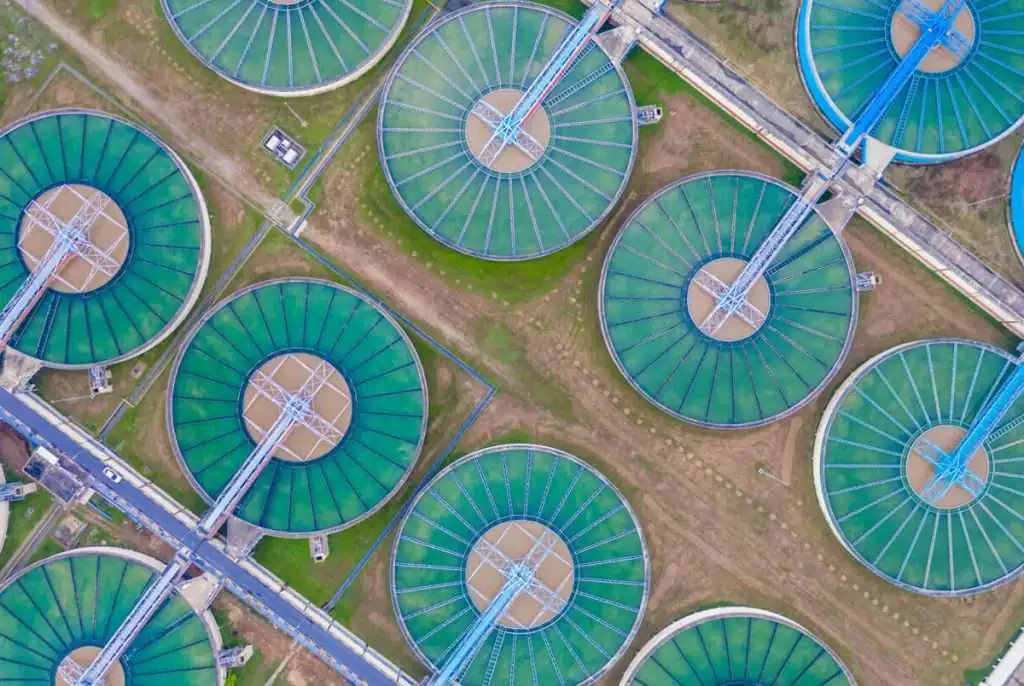
How to Choose the Right Polyacrylamide?
When selecting PAM, consider the following factors:
- Sludge type (organic or inorganic)
- Surface charge of suspended solids
- Sludge dewatering requirements
- pH and water chemistry
- Laboratory jar test results
In most cases:
- Organic sludge → Cationic polyacrylamide
- Inorganic sludge → Anionic polyacrylamide
Proper model selection is always more economical than increasing dosage.
Conclusion
Although anionic and cationic polyacrylamide belong to the same polymer family, their functions and applications are clearly different. Choosing the correct type based on sludge characteristics and process conditions is the key to efficient flocculation, stable operation, and low treatment cost.
If you are unsure which PAM type is suitable for your system, laboratory testing and professional selection support are strongly recommended.


