Skip to content
Calcium deficiency is one of the main causes of many physiological crop disorders. Weak cell walls, poor nutrient balance, and stress make plants more vulnerable to fruit damage and disease. Calcium chloride is a fast-acting calcium source that helps strengthen plant tissues and improve crop quality.
Below are common crop problems and practical calcium chloride solutions.
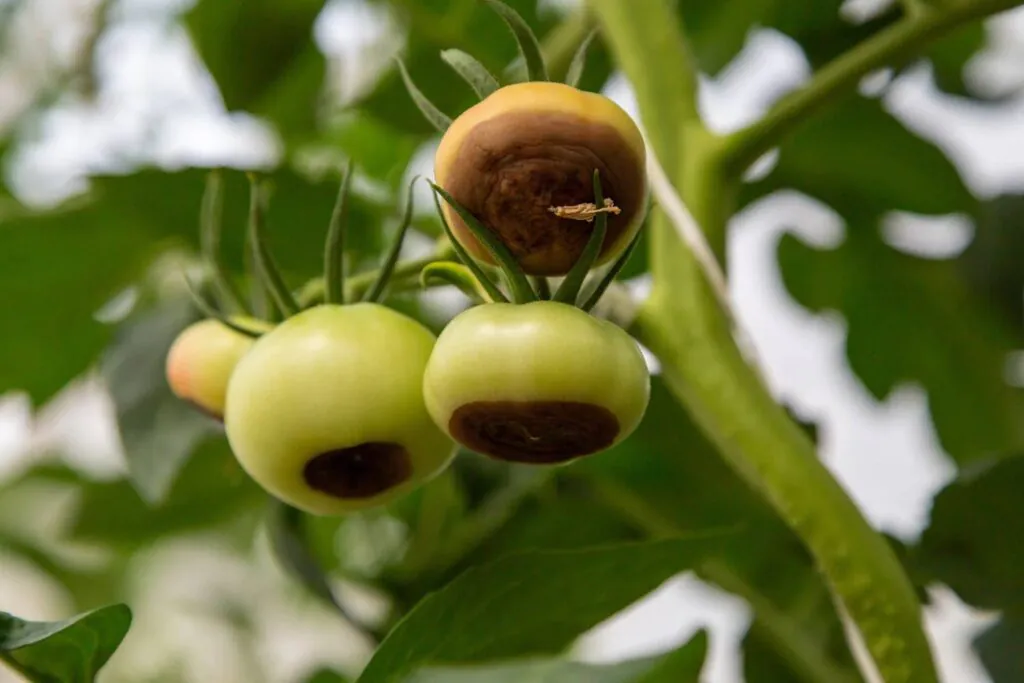
1. Tomato Blossom-End Rot
Blossom-end rot in tomatoes happens when fruits do not receive enough calcium during development. The fruit skin cannot expand properly, leading to dark, sunken areas and fruit decay.
Recommended Treatment
Foliar Spray
Spray a 0.5% calcium chloride solution on leaves and fruits once a week for 3–4 weeks during fruit development.
Soil Application
Before planting, mix 5 kg of calcium chloride per acre into the soil to improve calcium supply.
2. Apple Bitter Pit
Apple bitter pit appears as small, brown, bitter spots inside the fruit. It is caused by low calcium levels in the apple tissue and often becomes worse during storage.
Recommended Treatment
Foliar Spray
During fruit enlargement, spray 0.3%–0.5% calcium chloride every 10–15 days until one month before harvest.
Soil Application
Apply 0.5–1 kg calcium chloride per tree around the root zone and water well to help absorption.
3. Pepper Blossom-End Rot
This disorder appears late in pepper fruit development. Water-soaked spots form at the fruit bottom and later turn into dark, dry rot. Calcium deficiency is the main cause.
Recommended Treatment
Foliar Spray
Spray 0.3%–0.5% calcium chloride solution weekly from early fruit formation until maturity.
Drip Irrigation
Add calcium chloride to irrigation water, keeping concentration below 1000 ppm for safe and steady calcium supply.
4. Strawberry Gray Mold (Botrytis)
Gray mold is caused by Botrytis cinerea, especially in humid conditions. Calcium helps strengthen fruit tissue and improve resistance to fungal infection.

Recommended Treatment
Foliar Spray
Spray a 0.5% calcium chloride solution weekly on fruits and flowers to enhance resistance.
Soil Application
Before planting, mix 50 g calcium chloride per square meter into soil to improve calcium levels and reduce pathogen pressure.
Why Calcium Chloride Works
Calcium chloride helps crops by:
- Strengthening cell walls
- Improving fruit firmness
- Supporting nutrient uptake
- Enhancing stress resistance
- Reducing physiological disorders
Proper application timing and dosage are essential for best results.
Conclusion
Many crop disorders are linked to calcium deficiency. Using calcium chloride through foliar spraying, soil treatment, or irrigation systems can significantly improve plant health, fruit quality, and marketable yield.
👉 If you need agricultural-grade calcium chloride for different crops, contact us for technical support, product specifications, and customized application programs for your farm.