
Milk fever, also called hypocalcemia, is a common metabolic disease in dairy cows. It usually happens shortly after calving. At this time, the cow’s body suddenly needs a large amount of calcium to produce milk. If blood calcium drops too low, serious health problems can occur.
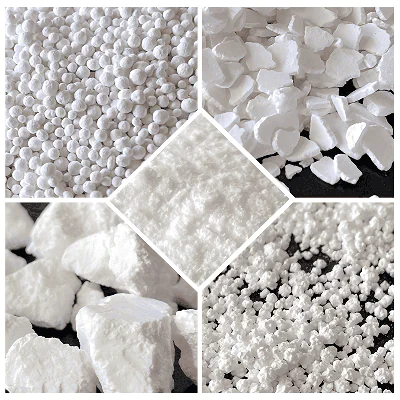
Using calcium chloride feed grade 94% powder is an effective way to prevent this condition and protect herd productivity.

What Is Milk Fever?
Milk fever happens when a cow cannot maintain enough calcium in the blood after calving. Calcium is very important for:
- Muscle movement
- Nerve function
- Standing and walking
- Milk production
When calcium levels fall too low, cows may show:
- Weakness
- Shaking or unsteady walking
- Lying down and unable to stand
- Low body temperature
Severe cases can lead to death if not treated quickly.
Why Milk Fever Happens After Calving
Within 24–48 hours after calving, cows produce colostrum. This first milk contains a high level of calcium. The cow’s body must move a lot of calcium from the blood into the udder.
If the cow cannot release calcium from bones fast enough, blood calcium drops suddenly. This causes milk fever.
High-Risk Cows
Some cows have a higher risk:
- Older cows
- High milk producers
- Cows with previous milk fever
- Cows fed high-potassium diets before calving
How Calcium Chloride Helps
Calcium chloride is a fast-acting calcium source. It dissolves quickly and is easily absorbed by the cow’s body.
When given at the right time, it helps:
- Raise blood calcium quickly
- Support muscle function
- Reduce the risk of hypocalcemia
This makes it a key tool during the transition period (before and after calving).
Why Choose Calcium Chloride Feed Grade 94% Powder
Fast Absorption
Calcium chloride is highly soluble. It enters the bloodstream quickly and provides immediate calcium support.
Proven Effect
Research shows cows receiving oral calcium chloride have higher blood calcium levels and fewer milk fever cases.
Easy to Use
Feed grade 94% powder can be:
- Mixed into feed
- Dissolved and used as an oral drench
Cost-Effective
It is more affordable than many other calcium products, making it suitable for large herds.
Scientific Support
Studies in dairy science show that oral calcium chloride given around calving:
- Increases blood calcium levels
- Reduces milk fever incidence
- Improves milk yield after calving
- Supports better reproductive performance
Maintaining proper calcium balance during the transition period is one of the most important steps in dairy herd management.
Practical Use in Herd Management
1. Before Calving
Give calcium supplements to high-risk cows a few days before calving. This prepares the body for the coming calcium demand.
2. Right After Calving
Provide an oral calcium chloride drench soon after calving. This is the most critical time for preventing milk fever.
3. Monitor High-Risk Cows
Watch older and high-producing cows closely. Adjust supplementation if needed.
Benefits of Milk Fever Prevention
Healthier Cows
Cows stay active and recover faster after calving.
Higher Milk Production
Healthy cows produce more milk in early lactation.
Fewer Veterinary Costs
Preventing disease reduces emergency treatments and labor.
Longer Productive Life
Cows with fewer metabolic problems stay in the herd longer.
Conclusion
Milk fever is a serious but preventable problem in dairy farming. Calcium chloride feed grade 94% powder provides a fast, effective, and economical way to maintain healthy calcium levels in dairy cows.
By using calcium chloride at the right time, farmers can reduce disease risk, improve milk production, and increase overall farm profitability.

