Skip to content
Tomato cracking, also called fruit splitting, is a common physiological disorder. It affects the appearance, storage life, and market value of tomatoes. Cracks form when the tomato skin cannot expand evenly as the fruit grows. One major reason for this problem is calcium deficiency during fruit development.
Anhydrous calcium chloride is a reliable solution for supplying fast-acting calcium. Proper use helps strengthen tomato skin and reduce cracking.
What Is Tomato Cracking?
Tomato cracking appears as:
- Radial cracks from the stem downward
- Concentric cracks around the top of the fruit
This usually happens during rapid fruit growth or after uneven watering. Cracks make fruit more vulnerable to fungal infection and spoilage, leading to lower shelf life and reduced selling price.
Calcium is essential for strong cell walls. When calcium levels are low, tomato skin becomes weak and more likely to split.
Main Causes of Tomato Cracking
Several factors can increase calcium deficiency and cracking risk:
- Irregular watering causing sudden fruit expansion
- Poor soil structure limiting calcium uptake
- High humidity and temperature changes speeding fruit growth
- Sensitive tomato varieties that crack more easily
Managing calcium supply is one of the most effective prevention methods.
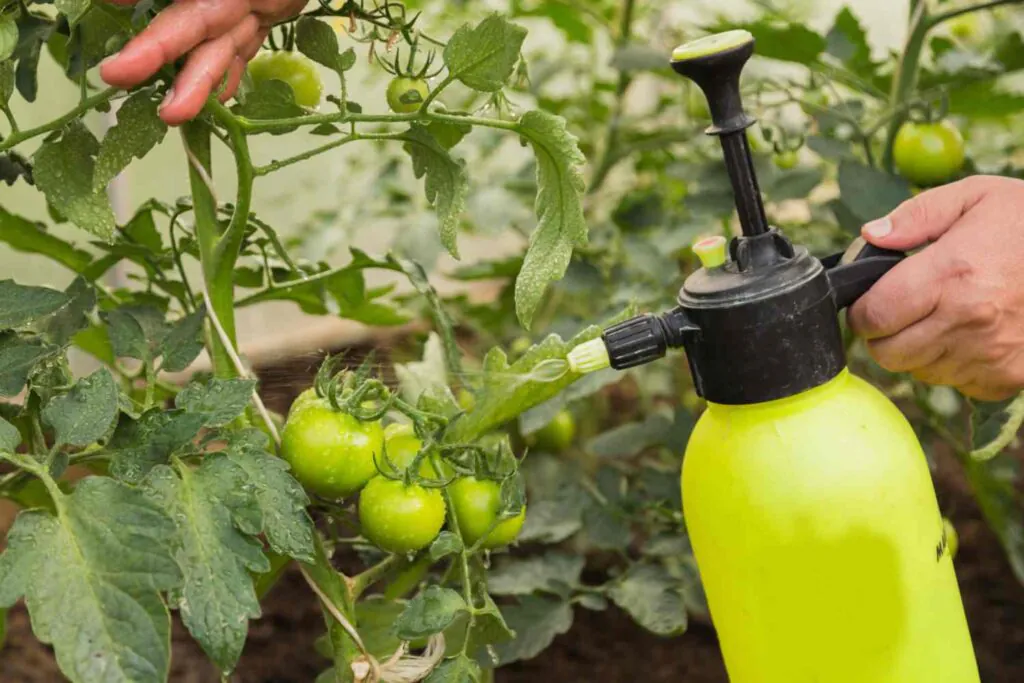
Method 1: Foliar Spray Application
Foliar spraying allows calcium to be absorbed quickly through leaves and fruit surfaces.
How to Apply Calcium Chloride as a Foliar Spray
1. Preparation
Dissolve anhydrous calcium chloride in water to make a 0.5% solution.
2. Timing
Start spraying when fruits begin to develop.
3. Frequency
Apply once per week for 3–4 weeks during key fruit growth stages.
4. Spraying Method
Spray evenly on:
- Leaves (upper and lower sides)
- Developing fruits
This ensures direct calcium supply where it is needed most.
Benefits of Foliar Sprays
- Fast calcium absorption
- Strengthens fruit skin
- Reduces cracking during rapid growth
Method 2: Soil Application Before Planting
Soil application provides a steady calcium supply from the root zone.
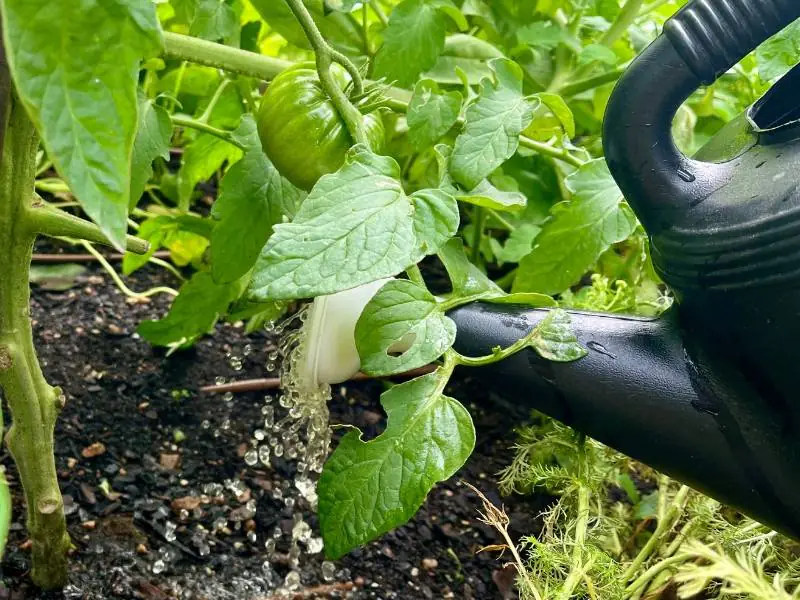
How to Apply Calcium Chloride to Soil
1. Application Rate
Apply 5 kg of anhydrous calcium chloride per acre.
2. Timing
Apply during soil preparation before planting.
3. Incorporation
Mix thoroughly into the topsoil for even distribution.
4. Watering
Irrigate after application to help calcium move into the root zone.
Benefits of Soil Application
- Long-term calcium availability
- Stronger root uptake
- Supports overall plant health
Additional Practices to Reduce Tomato Cracking
Calcium treatment works best when combined with good field management:
Consistent Irrigation
Avoid sudden dry–wet cycles. Keep soil moisture stable.
Balanced Fertilization
Do not apply too much nitrogen. Excess nitrogen can weaken fruit skin.
Mulching
Mulch helps maintain stable soil moisture and temperature.
Choose Resistant Varieties
Some tomato varieties are naturally less prone to cracking.
Conclusion: Stronger Tomatoes, Higher Market Value
Tomato cracking reduces quality and profit, but it can be controlled. Using anhydrous calcium chloride through foliar spraying and soil application ensures a steady calcium supply during fruit development.
Growers who follow this program can achieve:
✔ Firmer tomato skin
✔ Less fruit splitting
✔ Better shelf life
✔ Higher market prices
👉 If you are looking for agricultural-grade anhydrous calcium chloride for tomato production, contact us for product specifications, application support, and bulk supply options tailored to your farm.