Skip to content
In water treatment, maintaining stable water chemistry is essential for treatment efficiency and system safety. While chemicals like lime or sodium hydroxide are typically used for direct pH adjustment, calcium chloride plays an important supporting role in stabilizing water conditions and improving the performance of other treatment chemicals.
This article explains how calcium chloride contributes to water stability, hardness balance, and treatment efficiency.
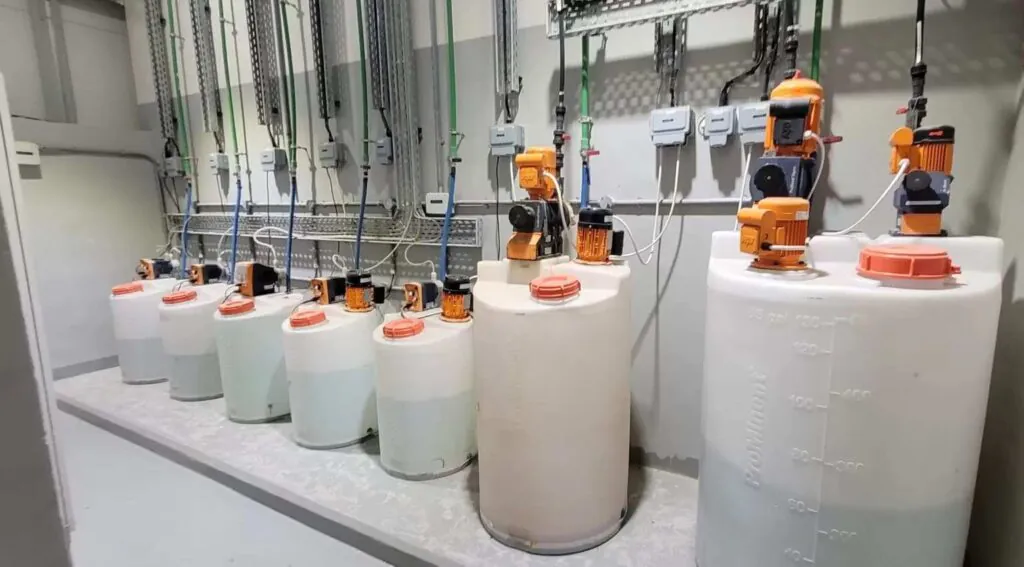
Why Water Chemistry Stability Matters
Water treatment performance depends heavily on stable chemical conditions, including:
- pH balance
- Alkalinity
- Hardness
- Mineral equilibrium
Large fluctuations in these parameters can reduce the effectiveness of:
- Coagulants
- Flocculants
- Disinfectants
- Corrosion control chemicals
Stable water chemistry helps ensure consistent treatment results and safer treated water.
What Calcium Chloride Actually Does in Water Treatment
Calcium chloride (CaCl₂) dissolves quickly in water and releases calcium ions (Ca²⁺). These calcium ions play several important roles.
1️⃣ Supports Hardness and Mineral Balance
Many surface waters and softened waters lack sufficient calcium. Low calcium levels can cause:
- Aggressive, corrosive water
- Unstable mineral balance
- Difficulty forming stable flocs during coagulation
Adding calcium chloride restores calcium hardness, which helps stabilize overall water chemistry.
2️⃣ Improves Coagulation and Floc Formation
Calcium ions help neutralize negative charges on suspended particles. This improves the performance of:
- PAC (Polyaluminum Chloride)
- Alum
- Polymer flocculants
With adequate calcium present, flocs form more easily and settle faster, improving turbidity removal.
3️⃣ Assists Alkalinity Reactions (Indirect pH Influence)
Calcium chloride does not directly act as a pH buffer. However, it can interact with carbonate and bicarbonate ions to form calcium carbonate (CaCO₃).
This process helps:
- Stabilize carbonate equilibrium
- Reduce scaling imbalance
- Support more stable water conditions
These effects can indirectly reduce sudden pH swings, especially in waters with fluctuating alkalinity.
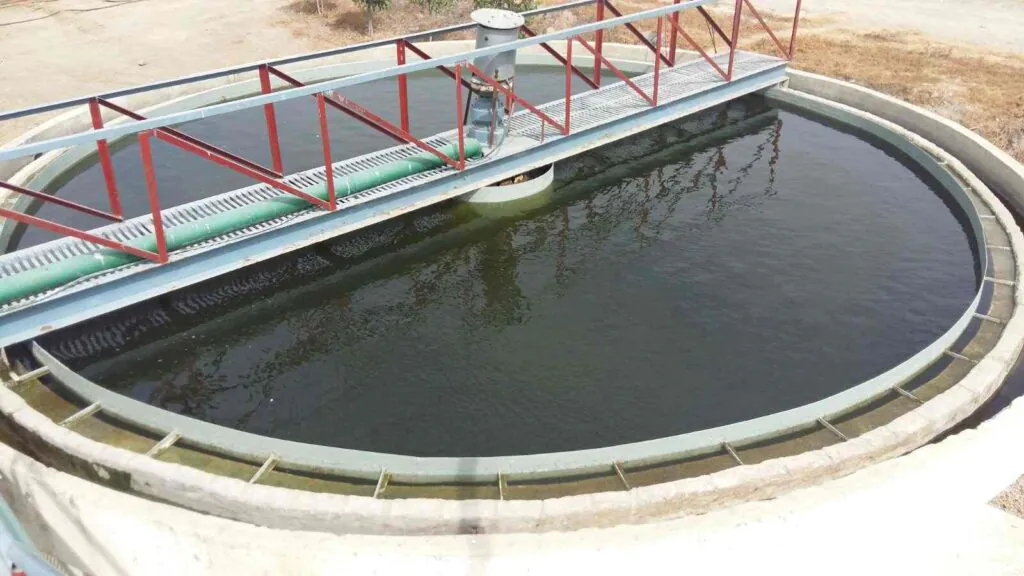
Practical Applications
Municipal Water Treatment
Calcium chloride is used to improve coagulation efficiency and stabilize mineral balance, helping treatment chemicals perform consistently.
Industrial Water Systems
It helps control corrosiveness in cooling towers and process water by maintaining calcium hardness.
Wastewater Treatment
Calcium ions enhance floc strength and sludge settling when used with coagulants and polymers.
Application Guidelines
Correct Dosage Matters
Dosage depends on raw water hardness, alkalinity, and treatment goals. Jar testing is recommended.
Used Together with pH Adjusters
If pH correction is needed, calcium chloride is typically used alongside lime, soda ash, or caustic soda — not as a replacement.
Safe Handling
Calcium chloride is hygroscopic and exothermic when dissolving. Proper storage and handling are important.
Conclusion
Calcium chloride is not a primary pH control chemical, but it plays a valuable supporting role in water treatment. By restoring calcium hardness, improving coagulation, and stabilizing mineral balance, it helps create the right conditions for other treatment chemicals to work effectively.
Used correctly, calcium chloride improves overall treatment efficiency, water stability, and system performance.