Skip to content
Written by the HyChron Technical Team — water treatment specialists with over 15 years of field experience in municipal and industrial systems. Last reviewed: April 2026
Paper mills are among the largest industrial water users in the world. A single mill can consume and discharge millions of liters of process water per day — water loaded with suspended fibres, fines, fillers, starch, and colloidal organic matter that must be treated before discharge or recycled back into the process.
Water treatment efficiency in a paper mill is not just an environmental compliance issue. It directly affects production economics: fibre and filler recovery from white water reduces raw material costs, and effective wastewater treatment reduces freshwater intake and discharge fees.
PAC (Poly Aluminum Chloride) plays a key role in both areas — as a retention and drainage aid on the paper machine, and as a primary coagulant in the effluent treatment system. This guide covers both applications.
Operating a paper mill and looking to improve water treatment efficiency? Contact our technical team for a free assessment and product recommendation.
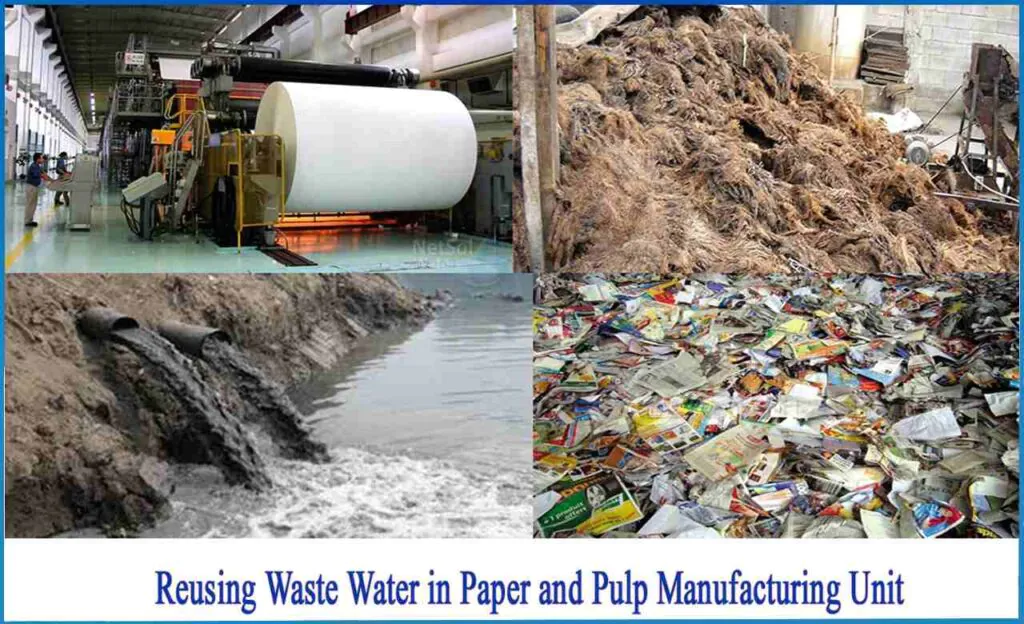
Where PAC Is Used in Paper Mill Water Treatment
1. White Water Clarification
White water — the process water recovered from the paper machine — contains suspended fibres, fines, fillers (calcium carbonate, kaolin), and colloidal organic compounds. Without treatment, this water cannot be efficiently recycled back to the process.
PAC added to the white water system destabilizes the colloidal and fine particulate fraction, allowing fibres and fillers to be recovered in disc filters or save-alls. This improves:
- Fibre and filler recovery rates
- White water clarity for process reuse
- Reduction in freshwater consumption
2. Effluent Treatment
Paper mill effluent contains high levels of suspended solids, BOD, and COD from fibres, starch, coating chemicals, and biological treatment byproducts. PAC is used in primary clarification to remove the majority of suspended solids and colloidal COD before the effluent enters biological treatment or is discharged.
3. Pitch and Stickies Control
Pitch (resinous wood extractives) and stickies (adhesive contaminants from recycled fibre) are persistent problems in paper manufacturing. They deposit on equipment, cause breaks, and contaminate the sheet. PAC helps control pitch and stickies by destabilizing and aggregating these colloidal contaminants before they deposit on machine surfaces.
Key Benefits of PAC in Paper Mill Applications
Improved fibre and filler retention. PAC’s charge neutralization mechanism improves the retention of fine fibres and mineral fillers on the paper machine wire, reducing losses to the white water system and improving sheet formation quality.
Effective COD reduction. PAC removes the colloidal COD fraction — which biological treatment alone handles poorly — reducing the load on secondary treatment and improving overall effluent quality.
Lower dosage than alum. PAC requires 30–50% lower dosage than alum for equivalent clarification performance in paper mill effluent. Given the large volumes involved in paper mill operations, this dosage reduction translates into significant chemical cost savings.
Wide pH compatibility. Paper mill process water and effluent can vary in pH depending on the grade being produced. Alkaline fine paper systems operate at pH 7.5–8.5; acidic newsprint systems may be below pH 6.0. PAC’s effective range of pH 5.0–9.0 covers both without requiring separate chemical programs.
Less sludge. PAC produces 30–50% less sludge than alum per unit of treatment. In paper mills where sludge handling and disposal represent a significant cost, this reduction has a direct impact on operating expenses.
Dosage Guidelines
| Application | Typical PAC Dosage |
|---|---|
| White water clarification | 10–30 mg/L |
| Primary effluent clarification | 20–60 mg/L |
| High-COD effluent (recycled fibre mills) | 40–100 mg/L |
| Pitch and stickies control | 5–20 mg/L (process addition) |
Jar testing (ASTM D2035) is recommended to confirm optimal dosage for your specific mill water chemistry and production grade.
Dosing Points
- White water: dose ahead of the save-all or disc filter at the point of maximum turbulence
- Primary effluent clarifier: dose at the flash mixing zone, G-value 200–400 s⁻¹ for 30–60 seconds, followed by slow-mix flocculation at G-value 20–60 s⁻¹ for 15–30 minutes
- Process addition for pitch control: dose into the thick stock or approach flow system at a point that allows sufficient mixing before the headbox
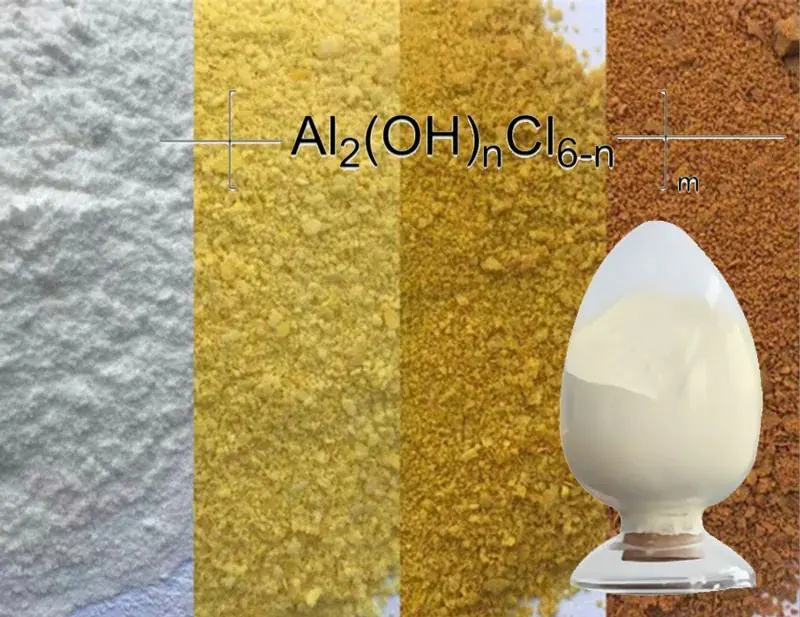
PAC vs Alum in Paper Mill Applications
Alum has historically been used in paper mills both as a retention aid and as a coagulant in effluent treatment. However, PAC offers several practical advantages in this context:
- pH compatibility: alum is most effective at pH 4.5–5.5, which is incompatible with modern alkaline papermaking systems (pH 7.5–8.5). PAC works across the full range of both acidic and alkaline systems.
- Lower dosage: PAC achieves equivalent clarification at 30–50% lower dose, reducing chemical costs at the volumes paper mills consume
- Less sludge: reduced sludge volume lowers dewatering and disposal costs
- Lower corrosivity: PAC is less corrosive to process equipment than alum’s sulfate-based chemistry
For a full comparison: PAC vs Alum: Which Coagulant Is Better?
Meeting Paper Mill Discharge Standards
Discharge standards for paper mill effluent typically include limits on:
- TSS — PAC primary clarification typically achieves 80–90% TSS removal
- BOD and COD — PAC removes colloidal COD fraction; biological secondary treatment handles soluble BOD
- Color — particularly relevant for mills processing recycled fibre with ink contaminants; PAC achieves moderate color reduction
For mills processing recycled fibre, ink and dye contaminants in the effluent may require higher PAC dosages or combination with PAM to achieve color compliance.
For background on PAC use in industrial wastewater broadly: PAC for Industrial Wastewater Treatment
Frequently Asked Questions
Can PAC replace alum completely in our paper mill system?
In most cases, yes. PAC can replace alum in both white water clarification and effluent treatment applications. The transition requires dosage recalibration and jar testing, but does not typically require equipment changes. The main operational adjustment is dosage rate — PAC is dosed at 30–50% lower rates than alum.
Will PAC affect paper quality or sheet properties?
At recommended process dosages for pitch control and retention, PAC does not negatively affect sheet properties. In some cases, improved retention of fines and fillers can improve sheet formation uniformity. Overdosing should be avoided as it can affect surface charge balance in the stock.
How does PAC interact with other papermaking chemicals?
PAC should be added before anionic retention aids or PAM in the stock preparation sequence, as it modifies the charge environment that these chemicals depend on. Consult our technical team for a full chemical program compatibility review before changing your coagulant.
Conclusion
PAC delivers measurable performance improvements in paper mill water treatment across multiple applications — white water clarification, primary effluent treatment, and pitch and stickies control. Its wide pH compatibility, lower dosage requirements, reduced sludge production, and compatibility with both acidic and alkaline papermaking systems make it a practical and cost-effective choice for modern paper mills.
Contact our technical team today for a free mill water assessment, PAC product samples with full COA documentation, and a dosage recommendation for your specific grade and system configuration. We respond within 24 hours.