
Why Textile & Dyeing Wastewater Is One of the Hardest to Treat
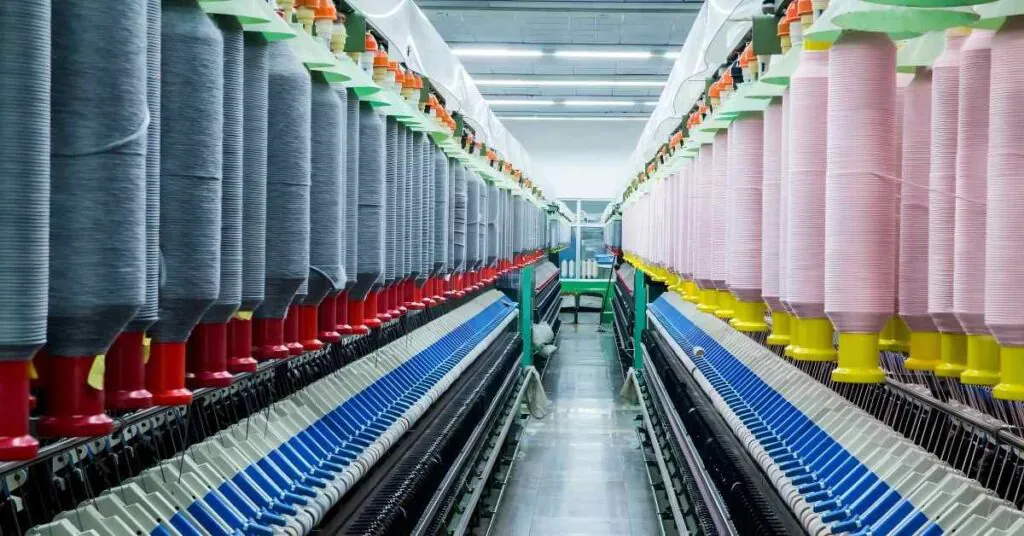
Textile and dyeing wastewater is well known for being highly colored, chemically complex, and unstable. This makes biological treatment alone ineffective and risky.
Typical Characteristics
- Extremely high chromaticity
Reactive dyes, disperse dyes, sulfur dyes - High COD (often 2,000–10,000 mg/L)
Dye auxiliaries, surfactants, sizing agents - Large pH fluctuations
pH may shift from acidic to strongly alkaline - Poor biodegradability
Many dye molecules resist microbial degradation
Because of these factors, chemical coagulation is mandatory, and PAC is one of the most reliable choices.
industrial dyeing wastewater treatment chemicals .
Why PAC Is Highly Effective for Dyeing Wastewater
Compared with alum or ferric salts, PAC offers clear advantages in color removal and COD reduction.
Key Advantages of PAC in Textile Applications
- Strong adsorption of dye molecules
PAC hydrolyzes to form Al(OH)₃ colloids, which adsorb dye chromophores. - Fast floc formation
Suitable for high-throughput textile plants. - Wide pH adaptability (pH 5–9)
Reduces the need for heavy pH adjustment. - Lower sludge volume
Critical for textile plants with limited sludge disposal capacity.
How PAC Removes Color from Textile Wastewater
Decolorization Mechanism Explained
- Charge neutralization
PAC neutralizes negatively charged dye molecules and colloids. - Adsorption & sweeping
Al(OH)₃ flocs “sweep” dye molecules out of solution. - Floc separation
Flocs are removed via sedimentation or DAF.
In many cases, color removal efficiency reaches 85–95% at the primary treatment stage.
Common Treatment Processes Using PAC in Textile Plants
1. Coagulation–Sedimentation (Basic Setup)
Best for:
Medium SS, moderate dye concentration
Typical results:
- Color removal: 80–90%
- COD reduction: 25–40%
2. PAC + DAF (Preferred for High Color)
Best for:
High dye concentration, light flocs
Advantages:
- Faster separation
- Smaller footprint
- Stable effluent color
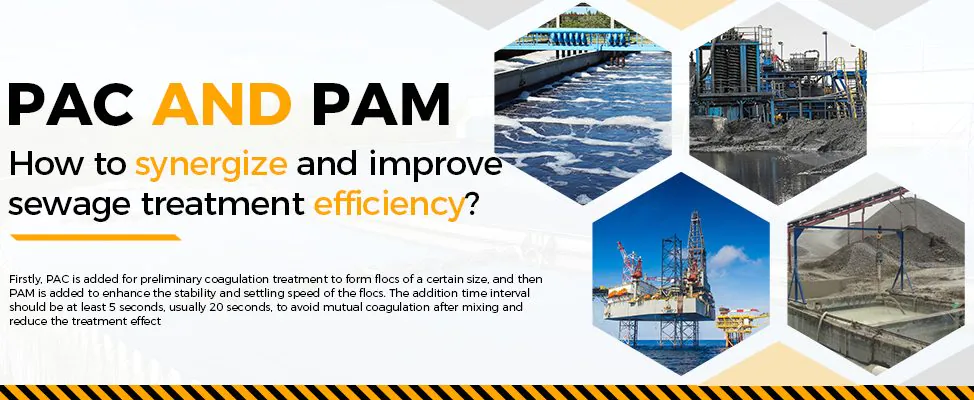
3. PAC + PAM Combination (Industry Standard)
PAC alone destabilizes dyes, but PAM strengthens flocs.
- PAC: destabilization & adsorption
- PAM: bridging & floc growth
This combination:
- Reduces PAC dosage
- Improves color consistency
- Enhances sludge dewatering
Typical PAC Dosage for Textile Wastewater
| Parameter | Typical Range |
|---|---|
| PAC dosage | 80–300 mg/L |
| PAM dosage | 1–5 mg/L |
| Optimal pH | 6.0–8.5 |
⚠️ Always confirm via jar testing due to dye variability.
Procurement Insights: How to Choose PAC for Textile Plants
When purchasing PAC for textile wastewater, buyers should focus on:
- High basicity (≥60%) for better decolorization
- Fast dissolution for automated dosing systems
- Low insoluble content to prevent pipeline blockage
Conclusion
PAC is one of the most reliable chemical solutions for textile and dyeing wastewater treatment. Its strong decolorization ability, wide pH tolerance, and compatibility with PAM make it a preferred choice for textile plants aiming to meet discharge standards while controlling costs.

