
Breweries generate large volumes of wastewater during beer production. This wastewater contains high levels of organic matter, suspended solids, and nutrients, making treatment both complex and costly.
To meet discharge regulations and sustainability goals, breweries increasingly rely on polyacrylamide (PAM) as a key flocculant. PAM improves solid-liquid separation, reduces sludge volume, and enhances overall treatment efficiency.
This article explains how PAM works in brewery wastewater treatment and how it supports long-term environmental sustainability.
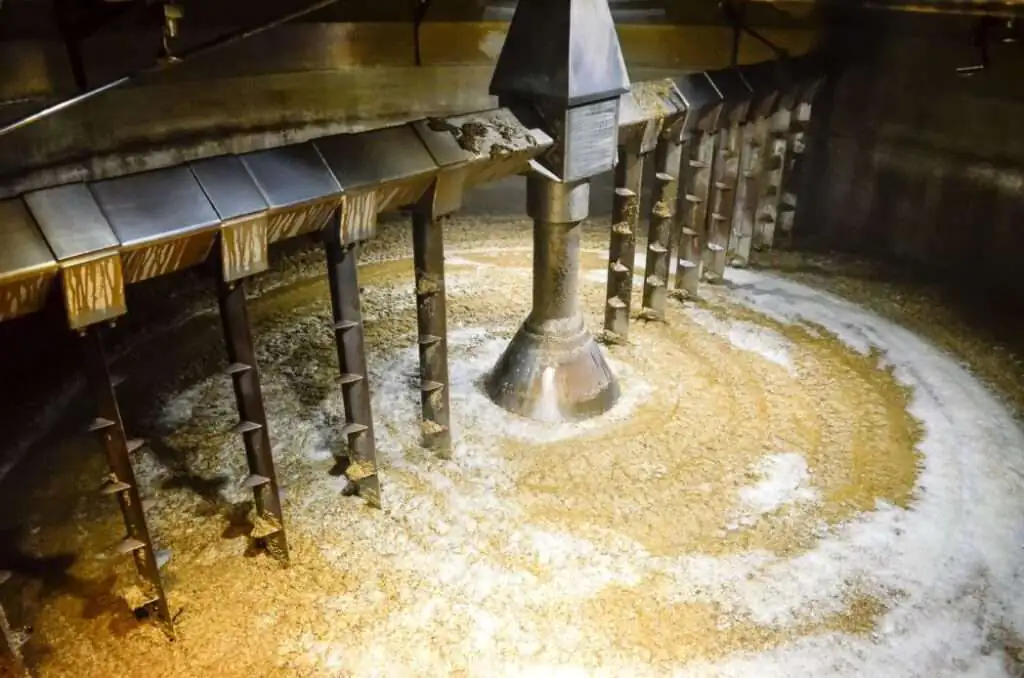
Characteristics of Brewery Wastewater
Beer production includes multiple steps such as malting, mashing, boiling, fermentation, clarification, and packaging. Each stage produces wastewater with different characteristics.
Typical sources include:
- Malt washing and soaking water
- Equipment and pipeline cleaning water
- Fermentation tank cleaning wastewater
- Bottle and can washing water
- Cooling and process water
- Finished product workshop cleaning water
- Domestic wastewater
These wastewater streams commonly contain:
- Yeast residues
- Proteins and polysaccharides
- Residual grains and sugars
- High COD and BOD levels
As a result, brewery wastewater often shows high turbidity, strong organic loading, and unstable composition, increasing treatment difficulty.
How PAM Improves Brewery Wastewater Treatment
Improved Removal of Suspended Solids
Brewery wastewater contains fine particles such as yeast, proteins, and grain residues that remain suspended in water. PAM acts as a flocculant by binding these particles together into larger, heavier flocs.
This process:
- Accelerates sedimentation
- Reduces turbidity
- Lowers TSS and COD levels
As a result, treated effluent is more likely to meet discharge standards.
Enhanced Filtration and Separation Efficiency
During filtration and clarification stages, PAM improves particle aggregation and floc strength. Larger and denser flocs reduce the load on filters and clarifiers.
Key benefits include:
- Higher filtration efficiency
- Reduced filter clogging
- Lower maintenance frequency
- Improved operational stability
This directly reduces operating costs for breweries.
Reduced Sludge Volume and Disposal Cost
Compared with untreated wastewater, PAM-treated sludge is more compact and easier to dewater.
Benefits include:
- Lower sludge volume
- Improved dewatering performance
- Reduced transportation and disposal costs
This is particularly important for breweries seeking cost-effective and sustainable wastewater solutions.
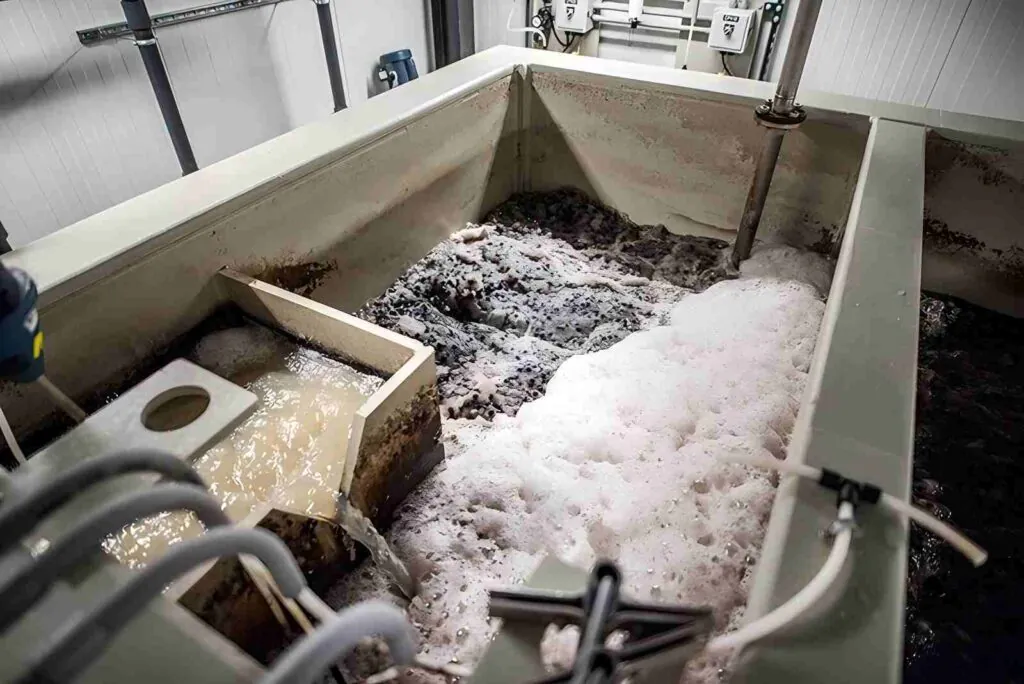
How to Choose the Right PAM for Brewery Wastewater
Understand Wastewater Characteristics
Selecting the correct PAM requires understanding the specific wastewater conditions, including:
- Type of suspended solids (yeast, proteins, carbohydrates)
- pH range of the wastewater
- Turbidity and organic concentration
Laboratory jar tests and on-site trials are recommended to identify the optimal PAM type and dosage.
Select the Appropriate PAM Type
Polyacrylamide is available in three main types:
- Cationic PAM
- Anionic PAM
- Nonionic PAM
For brewery wastewater with high organic content and negatively charged particles, high-molecular-weight cationic PAM is usually the most effective choice. It provides strong flocculation and rapid settling.
Determine the Optimal PAM Dosage
Correct dosage control is critical.
- Underdosing leads to poor flocculation
- Overdosing increases cost and may destabilize flocs
Recommended approach:
- Conduct jar tests to identify the effective dosage range
- Start with low dosage and adjust gradually
- Monitor sludge settling and effluent clarity
Precise dosing ensures stable performance and cost efficiency.
Sustainability Benefits of PAM in Breweries
Using PAM supports sustainable brewery operations by:
- Reducing chemical consumption
- Lowering sludge disposal volume
- Improving water reuse potential
- Supporting compliance with environmental regulations
Efficient wastewater treatment also helps breweries reduce their overall environmental footprint.
Conclusion
Polyacrylamide (PAM) provides an efficient, economical, and environmentally friendly solution for brewery wastewater treatment. By enhancing flocculation, improving filtration efficiency, and reducing sludge volume, PAM helps breweries achieve stable treatment performance and sustainability goals.
With proper selection and dosing, PAM enables breweries to meet regulatory requirements while lowering operational costs and supporting long-term environmental responsibility.

