 Skip to content
Can Polyacrylamide Be Used in Drinking Water Treatment?
Drinking water clarification requires strict control of turbidity, suspended solids, and organic matter before filtration and disinfection.
Operators often ask:
- Is polyacrylamide safe for potable water systems?
- How does it improve clarification efficiency?
- Does it replace traditional coagulants?
When properly selected and correctly dosed, polyacrylamide can significantly enhance sedimentation performance while supporting compliance with treatment standards.

How PAM Improves Clarification Efficiency
In drinking water treatment, polyacrylamide is typically used as a coagulant aid rather than a primary coagulant.
1️⃣ Accelerated Floc Formation
After primary coagulants (such as alum or ferric salts) destabilize particles, PAM strengthens floc structure through polymer bridging.
This results in:
- Larger flocs
- Faster settling velocity
- Improved turbidity removal
- Reduced carryover into filtration units
2️⃣ Improved Sedimentation Performance
Stronger flocs settle more quickly in clarifiers, which helps:
- Increase plant throughput
- Reduce sludge blanket instability
- Improve downstream filtration efficiency
In systems where settling speed is a concern, polymer optimization can make a measurable difference.
If you are also working on improving sedimentation efficiency in clarifiers, you may find this article helpful:
👉 Improving Settling Speed in Clarifiers with PAM
Is Polyacrylamide Safe for Drinking Water Applications?
Safety depends on:
- Selecting appropriate grade
- Controlling residual monomer content
- Maintaining correct dosage
- Following local regulatory guidelines
High-quality PAM manufacturers strictly control residual acrylamide levels during production to meet regulatory requirements.
For potable water systems, polymer dosage is typically very low, and it is used strictly as a process aid to enhance flocculation efficiency.
Comparing PAM with Traditional Coagulants
Traditional coagulants:
- Neutralize particle charges
- Form initial microflocs
- Require relatively higher dosage
Polyacrylamide:
- Strengthens and enlarges flocs
- Reduces coagulant demand
- Improves sedimentation stability
Using PAM as a coagulant aid can help optimize total chemical cost and process stability.
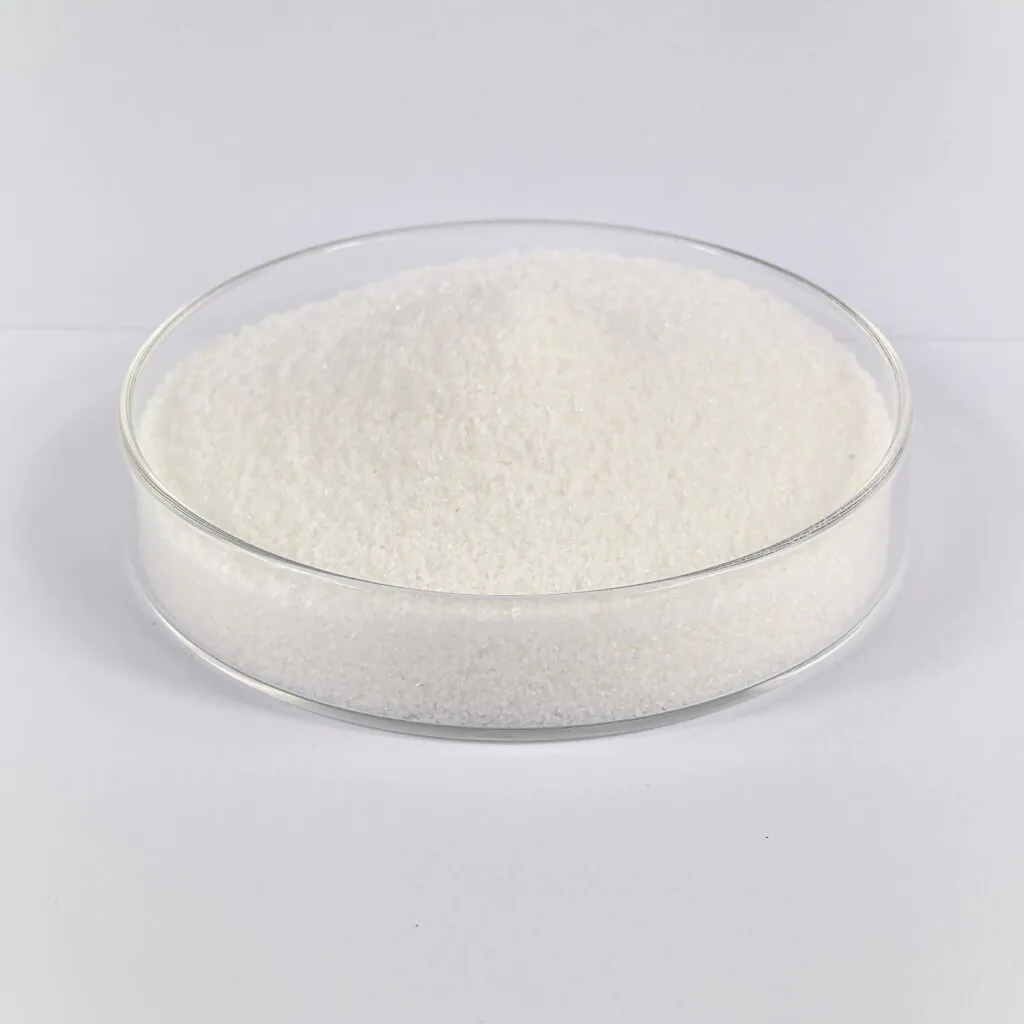
Key Considerations for Drinking Water Systems
When applying PAM in potable water clarification:
✔ Conduct jar testing before implementation
✔ Use precise dosing control systems
✔ Monitor turbidity and residual parameters
✔ Select supplier with stable quality control
Consistency and purity are critical in drinking water applications.
Why Polymer Quality Matters Even More in Potable Water
In drinking water treatment, performance and safety must go together.
High-quality polyacrylamide ensures:
- Controlled molecular weight
- Stable charge density
- Low residual monomer levels
- Consistent dissolution behavior
Reliable supply and strict quality control are essential for long-term operation in regulated environments.
Enhance Clarification While Maintaining Safety
If your drinking water plant aims to:
- Improve turbidity removal
- Increase sedimentation efficiency
- Reduce coagulant dosage
- Maintain regulatory compliance
📩 Contact us today for:
- Technical grade consultation
- Sample evaluation
- Application guidance
- Competitive bulk supply options
Properly selected polyacrylamide can safely enhance drinking water clarification performance while supporting operational efficiency.


