 Skip to content
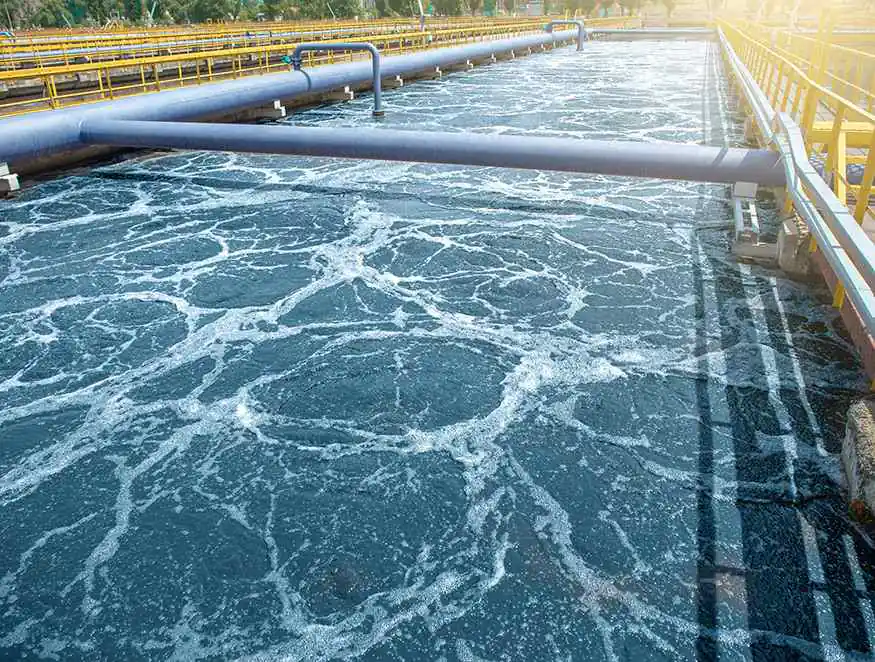
Phosphorus is one of the most tightly regulated parameters in wastewater discharge worldwide. Even small amounts of phosphorus in discharged effluent can trigger rapid algae growth in receiving water bodies—a process called eutrophication—that depletes oxygen, kills aquatic life, and causes long-term ecological damage.
For industrial facilities and municipal wastewater treatment plants, meeting phosphorus discharge limits is increasingly challenging. Regulatory limits are tightening in most markets, and many facilities that currently comply face the prospect of significantly stricter limits at their next permit renewal.
Polyacrylamide plays an important supporting role in phosphorus removal programs. While PAM does not chemically precipitate dissolved phosphorus on its own, it significantly improves the efficiency of chemical phosphorus removal by enhancing the flocculation and settlement of phosphorus-containing particles and precipitates—reducing the total chemical dose required and improving overall removal performance.
This guide explains how PAM contributes to phosphorus reduction in wastewater, how it works alongside chemical precipitation, and how to optimize your treatment program for reliable compliance.
Why Phosphorus Is Difficult to Remove from Wastewater
Phosphorus in wastewater exists in several forms, each requiring a different treatment approach:
| Phosphorus Form | Source | Treatment Approach |
|---|---|---|
| Orthophosphate (dissolved) | Fertilizers, detergents, biological metabolism | Chemical precipitation + flocculation |
| Polyphosphate | Industrial cleaners, food processing | Hydrolysis to orthophosphate, then precipitation |
| Organic phosphorus | Biological solids, food waste | Biological treatment + solid-liquid separation |
| Particulate phosphorus | Soil erosion, industrial solids | Physical removal by flocculation and settlement |
The most common and challenging form is dissolved orthophosphate, which cannot be removed by physical settlement alone. It requires chemical precipitation—typically using aluminum or iron salts—to convert dissolved phosphorus into an insoluble solid that can then be removed by flocculation and settlement.
This is where PAM becomes essential: chemical precipitation produces fine phosphorus precipitate particles that settle slowly without polymer assistance. PAM bridges these fine precipitates into large, rapidly settling flocs, dramatically improving removal efficiency and reducing the volume of sludge requiring disposal.
How PAM Enhances Phosphorus Removal
Effective phosphorus removal in most wastewater treatment systems follows a two-stage chemical process:
Stage 1 — Chemical Precipitation A metal salt coagulant (aluminum sulfate, ferric chloride, or polyaluminum chloride) is dosed into the wastewater. The metal ions react with dissolved orthophosphate to form insoluble metal phosphate precipitates.
Stage 2 — Flocculation and Settlement (where PAM is applied) The fine precipitate particles formed in Stage 1 are too small to settle efficiently on their own. PAM is dosed after the coagulant to bridge these fine precipitates—along with any remaining suspended solids—into large, dense flocs that settle rapidly in clarifiers or settling tanks.
Without PAM, fine phosphorus precipitates can pass through clarifiers and remain in the effluent, causing discharge limit violations despite adequate coagulant dosing. With properly optimized PAM, removal efficiency typically improves by 20–40% compared to coagulant alone.
Typical phosphorus removal performance with optimized coagulant + PAM program:
| Treatment Stage | Total Phosphorus (mg/L) |
|---|---|
| Raw wastewater (municipal) | 5–15 mg/L |
| After biological treatment | 2–8 mg/L |
| After chemical precipitation only | 0.5–2.0 mg/L |
| After precipitation + PAM flocculation | 0.1–0.5 mg/L |
| Typical discharge limit | 0.5–2.0 mg/L |
These results demonstrate that PAM-assisted flocculation is often the difference between meeting and failing phosphorus discharge limits—particularly as regulatory limits tighten toward 0.5 mg/L and below.
Contact our technical team today for a free assessment of how PAM can improve phosphorus removal in your treatment system. → Contact our technical team today
Where Phosphorus Removal Is Most Commonly Required
Phosphorus discharge limits apply across a wide range of facilities and industries:
Municipal wastewater treatment plants Municipal sewage typically contains 5–15 mg/L total phosphorus from household detergents, human waste, and food preparation. Most municipal discharge permits require total phosphorus below 1–2 mg/L, with some sensitive receiving water areas requiring below 0.5 mg/L.
Food and beverage processing Food processing wastewater—particularly from dairy, meat, potato, and beverage operations—can contain 20–100 mg/L total phosphorus. These high-phosphorus streams typically require both biological and chemical treatment to meet discharge limits.
Fertilizer and agricultural chemical manufacturing Process wastewater from fertilizer production can contain extremely high phosphorus concentrations requiring intensive chemical treatment before discharge.
Surface runoff and stormwater management Agricultural runoff and urban stormwater carry significant phosphorus loads from fertilizers and organic matter. PAM is widely used in stormwater management systems and agricultural drainage treatment to reduce phosphorus loading to receiving water bodies.
Aquaculture and fish processing Fish farm effluent and processing wastewater carry high organic phosphorus loads that require effective solid-liquid separation for regulatory compliance.
Selecting the Right PAM Grade for Phosphorus Removal Applications
PAM grade selection for phosphorus removal depends on the type of wastewater, the coagulant being used, and the treatment unit configuration.
| Application | Recommended PAM Type | Molecular Weight | Charge Density |
|---|---|---|---|
| Municipal WWTP (after alum precipitation) | Anionic | 12–18 million Da | 20–35% |
| Municipal WWTP (after ferric precipitation) | Anionic | 10–16 million Da | 15–30% |
| Food processing (high organic load) | Cationic | 8–14 million Da | 40–60% |
| Agricultural runoff treatment | Anionic, high MW | 15–20 million Da | 20–40% |
| Dairy wastewater | Cationic | 10–15 million Da | 40–70% |
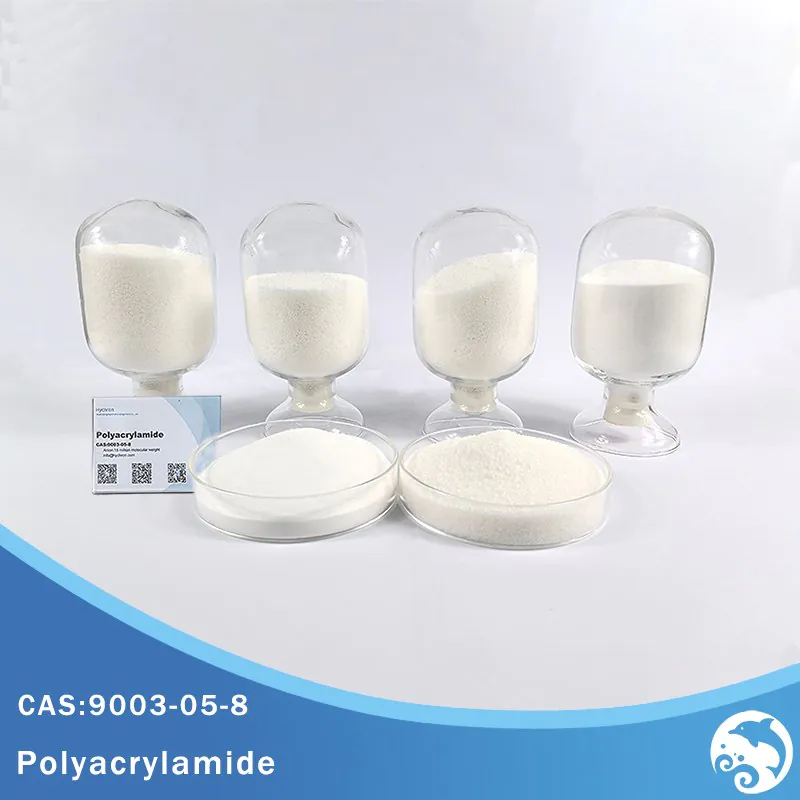
Important note on charge selection: When using aluminum or ferric coagulants for phosphorus precipitation, anionic PAM generally performs better for bridging the resulting precipitate flocs. For wastewater streams dominated by organic solids (food processing, dairy), cationic PAM may be more effective. Jar testing with your specific coagulant and wastewater combination is essential to confirm the optimal grade.
For a complete guide to PAM grade selection, see: Choosing the Right PAM Grade for Your Industry
Optimizing PAM Dosage for Phosphorus Removal
In phosphorus removal applications, PAM dosage optimization must be considered alongside coagulant dosage—the two chemicals interact, and optimizing one without the other limits overall removal efficiency.
General dosage guidelines:
| Treatment System | Coagulant Dose | PAM Dose |
|---|---|---|
| Municipal clarifier (alum + PAM) | 30–80 mg/L alum | 0.5–2.0 mg/L PAM |
| Municipal clarifier (ferric + PAM) | 20–60 mg/L FeCl₃ | 0.5–2.0 mg/L PAM |
| Food processing clarifier | 50–150 mg/L coagulant | 1.0–4.0 mg/L PAM |
| Agricultural runoff pond | Variable | 2–8 mg/L PAM |
Dosing sequence matters: Always dose the coagulant first and allow sufficient rapid mixing time (30–60 seconds) before adding PAM. This ensures the coagulant has time to react with dissolved phosphorus and form precipitate particles before the polymer is introduced for bridging.
Adding PAM before or simultaneously with the coagulant reduces phosphorus removal efficiency because the polymer interferes with the precipitation reaction.
For a step-by-step jar testing procedure to optimize both coagulant and PAM dosage for your specific system, see: Calculating PAM Dosage Accurately
Economic Benefits of PAM-Optimized Phosphorus Removal
Incorporating PAM into a phosphorus removal program delivers cost savings across multiple areas:
Reduced coagulant consumption: Effective PAM flocculation improves removal efficiency at lower coagulant doses. Many facilities reduce coagulant consumption by 20–35% after optimizing their PAM program—significant savings given that aluminum and ferric salts are often the highest cost input in phosphorus removal programs.
Lower sludge volume: Higher removal efficiency at optimized doses means less excess coagulant carries over into sludge. Better flocculation also produces denser, more compact sludge that dewaters more efficiently—reducing disposal volume and cost.
Compliance cost avoidance: Regulatory fines for phosphorus discharge violations can be substantial—often exceeding the annual cost of an entire polymer program many times over. Reliable compliance through PAM optimization eliminates this financial risk.
Reduced treatment system capacity requirements: Faster, more complete settlement reduces hydraulic loading on clarifiers and settling tanks. In facilities facing capacity constraints, PAM optimization can defer or eliminate the need for capital-intensive treatment unit expansion.
Request a cost analysis for your phosphorus removal program today. Our team will identify specific savings opportunities based on your current coagulant usage and treatment performance. → Request a free cost analysis
Troubleshooting Phosphorus Removal Problems
Problem: Effluent phosphorus above discharge limit despite coagulant dosing
Likely causes:
- Insufficient PAM dose — fine precipitate particles passing through clarifier
- PAM added before coagulant has reacted — interference with precipitation
- PAM grade not matched to precipitate type
- Hydraulic overload reducing clarifier residence time
Solutions: Increase PAM dosage, verify dosing sequence (coagulant first, then PAM), trial alternative PAM grade via jar test, check hydraulic loading against clarifier design capacity.
Problem: High coagulant consumption with marginal phosphorus removal
Likely causes:
- Overdosing coagulant to compensate for poor flocculation
- PAM grade not providing adequate bridging for fine precipitate
- Organic matter in wastewater consuming coagulant before it reacts with phosphorus
Solutions: Optimize PAM grade and dosage through jar testing, consider pre-screening for organic solids before coagulant dosing, review coagulant type suitability for your specific phosphorus forms.
Problem: Large sludge volumes from phosphorus removal
Likely causes:
- Coagulant overdosing producing excess metal hydroxide sludge
- Poor flocculation producing fluffy, low-density sludge
- Inadequate PAM conditioning before dewatering
Solutions: Optimize coagulant dosage through jar testing, improve PAM flocculation to produce denser flocs, add cationic PAM conditioning step before filter press or centrifuge.
Problem: Phosphorus removal performance varies seasonally
Likely causes:
- Temperature changes affecting precipitation kinetics and PAM dissolution
- Seasonal variation in influent phosphorus concentration
- Changes in wastewater composition from seasonal production variations
Solutions: Adjust PAM preparation procedure for cold weather (extend mixing time, use warm water), implement turbidity-based automatic dosage control, conduct fresh jar testing at start of each season.
Frequently Asked Questions
Can PAM remove phosphorus from wastewater on its own?
PAM does not chemically react with phosphorus and cannot remove dissolved phosphorus independently. It works by improving the flocculation and settlement of phosphorus precipitates formed by coagulant addition. For effective phosphorus removal, PAM should be used as part of a combined coagulant + polymer treatment program.
What coagulant works best with PAM for phosphorus removal?
Both aluminum-based coagulants (alum, polyaluminum chloride) and iron-based coagulants (ferric chloride, ferric sulfate) work effectively with PAM for phosphorus removal. Ferric coagulants generally produce denser, faster-settling flocs, while aluminum coagulants may produce better effluent clarity in some applications. The best choice depends on your specific wastewater and should be confirmed by jar testing.
What phosphorus concentration can be achieved with coagulant + PAM treatment?
With optimized coagulant and PAM dosing, total phosphorus in treated effluent can typically be reduced to 0.1–0.5 mg/L—meeting most current discharge limits. Achieving below 0.1 mg/L requires additional treatment such as filtration or advanced biological processes.
Does PAM affect biological phosphorus removal processes?
PAM is compatible with biological phosphorus removal (bio-P) processes. It is typically applied after biological treatment in the secondary clarifier to improve solid-liquid separation and capture any residual phosphorus-containing biological solids. PAM does not interfere with the biological processes themselves.
Do you supply PAM suitable for municipal phosphorus removal applications?
Yes. We supply anionic and cationic PAM grades specifically suitable for municipal and industrial phosphorus removal applications, including grades with low residual acrylamide content meeting drinking water treatment standards where required. Contact us to request product specifications and pricing.
Why Product Quality Matters in Phosphorus Compliance Applications
Phosphorus discharge limits leave little margin for error. A PAM product with inconsistent molecular weight or charge density produces variable flocculation performance—meaning effluent quality fluctuates even when dosage remains constant. This variability creates compliance risk that is difficult to manage through dosage adjustment alone.
Our industrial-grade polyacrylamide delivers:
- Batch-tested consistency — every shipment certified against molecular weight and charge density specifications
- Low residual acrylamide — meeting environmental and drinking water treatment standards
- Fast, uniform dissolution — reducing preparation variability across shifts
- Full compliance documentation — certificates of analysis, safety data sheets, and product specifications ready for regulatory submissions
We supply municipal treatment plants and industrial facilities across Asia, the Middle East, Africa, and Southeast Asia, with reliable delivery schedules and dedicated technical support.
Contact us today to request product samples, certificates of analysis, and a technical consultation for your phosphorus removal program. → Get in touch today
Conclusion
Phosphorus removal is one of the most demanding regulatory compliance challenges facing wastewater treatment facilities today. Polyacrylamide plays a critical supporting role in effective phosphorus removal programs—improving the flocculation and settlement of phosphorus precipitates, reducing coagulant consumption, and enabling consistent compliance with discharge limits that coagulant alone cannot reliably achieve.
The key to maximizing PAM performance in phosphorus removal applications is correct grade selection for your specific wastewater type and coagulant combination, dosage optimization through jar testing, and maintaining the correct dosing sequence to ensure coagulant precipitation occurs before polymer addition.
Facilities that optimize their combined coagulant and PAM programs consistently achieve better phosphorus removal, lower chemical costs, and more reliable compliance compared to those relying on coagulant overdosing to compensate for poor flocculation.
If your facility is struggling to meet phosphorus discharge limits, or anticipating tighter regulatory requirements, speak to our technical team today. We will assess your current program and recommend the most effective PAM solution for your specific compliance needs.


