Skip to content
Polyacrylamide (PAM) is a synthetic, water-soluble polymer that has become increasingly important in modern cosmetic formulations. Built on a repeating –CH₂–CH(CONH₂)– backbone, PAM offers excellent hydrophilicity, film-forming ability, and viscosity control, making it suitable for skincare, haircare, cleansing products, and decorative cosmetics.
Beyond functional performance, PAM is valued for its biocompatibility and chemical stability. When cosmetic-grade PAM is used and residual acrylamide monomer is strictly controlled, it is considered a safe and reliable ingredient in personal care products.
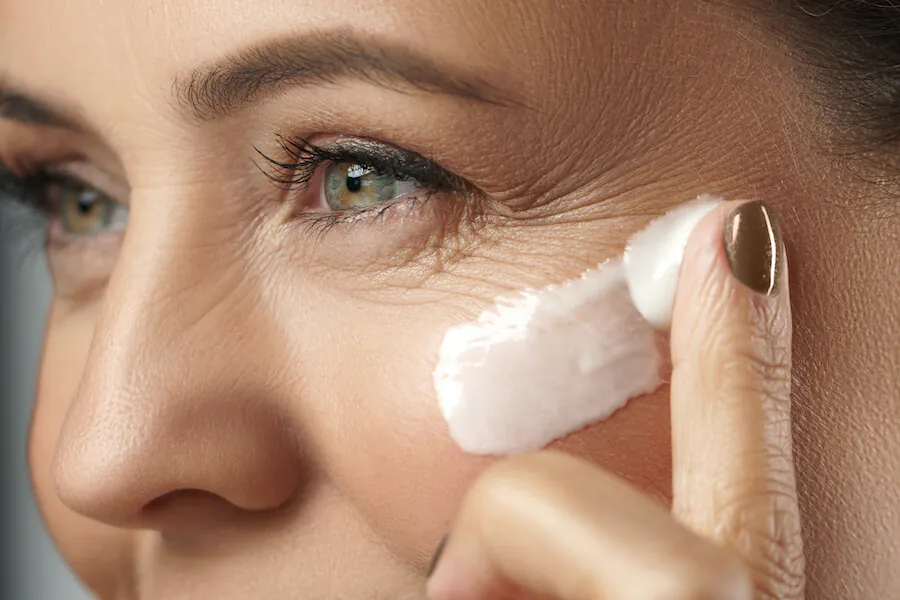
Chemical Structure and Mechanism of Action in Cosmetics
Polyacrylamide consists of a long carbon chain with pendant amide groups (–CONH₂). This structure enables strong interaction with water and other formulation components through several mechanisms.
Hydrogen Bonding and Hydration
The amide groups form hydrogen bonds with water molecules.
This improves hydration performance in creams, gels, serums, and facial masks.
Viscosity Modification
Long PAM chains entangle in aqueous systems, increasing viscosity even at low dosage.
This enhances texture, stability, and spreadability of cosmetic products.
Film Formation
PAM forms a thin, flexible, and breathable film on skin or hair surfaces.
This film improves smoothness, moisture retention, and protective performance without a heavy or sticky feel.
Flocculation and Impurity Binding
Ionic forms of PAM (cationic or anionic) can bind oppositely charged particles.
This property supports gentle cleansing by capturing dirt, sebum, and environmental impurities.
Through these combined mechanisms, PAM improves both functional performance and sensory experience, delivering smooth, hydrated, and comfortable results.
Types of Polyacrylamide Used in Cosmetics
Cosmetic formulators select PAM based on ionic character, molecular weight, and crosslinking structure.
| Type | Charge | Primary Cosmetic Application |
|---|---|---|
| Nonionic PAM | Neutral | Thickening creams, gels, serums; stable texture without ionic interference |
| Anionic PAM | Negative | Cleansers, mud masks; binds positively charged impurities |
| Cationic PAM | Positive | Hair conditioners, leave-in sprays; adheres to hair surface for smoothness |
| Crosslinked PAM | Neutral / slightly ionic | Hydrogel masks, patches, long-lasting moisturizers |
Molecular weight also plays a key role.
High molecular weight PAM (5–20 million g/mol) is preferred for thickening and film formation, while lower molecular weight grades are often used in cleansing products for faster dissolution and lighter viscosity.
Functional Roles of PAM in Cosmetic Formulations
Thickening and Texture Enhancement
PAM increases viscosity effectively at low concentrations (typically 0.1–0.5%).
This allows formulators to achieve smooth, luxurious textures without relying heavily on natural gums or high solid content.
Emulsion Stabilization
By forming a hydrophilic network, PAM helps keep oil droplets evenly dispersed.
This reduces phase separation and improves shelf stability in emulsions.
Film-Forming Performance
In leave-on products such as primers, foundations, hair sprays, and styling gels, PAM creates a flexible film that enhances smoothness, shine, and durability while remaining breathable.
Moisture Retention
Hydrophilic PAM chains trap water molecules, improving skin hydration and reducing transepidermal water loss.
Crosslinked PAM hydrogels are especially effective in sheet masks and gel moisturizers, offering sustained moisture release.
Gentle Cleansing Support
Anionic and cationic PAM derivatives assist in binding fine dirt, excess sebum, and particulate matter.
This allows for effective cleansing with milder surfactant systems.
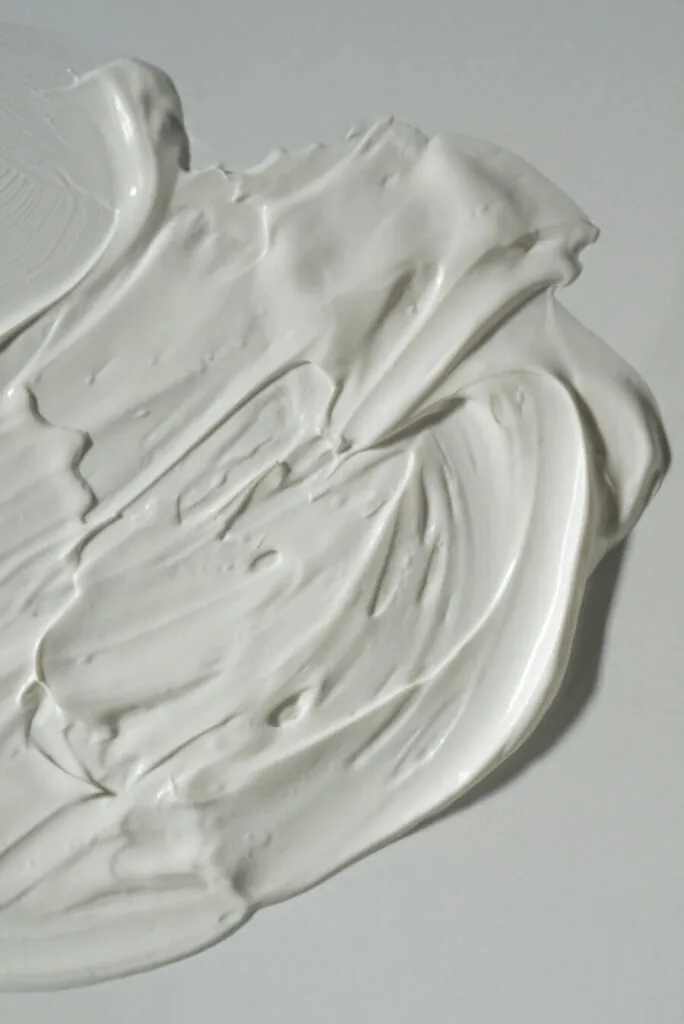
Advantages of Polyacrylamide in Cosmetics
- High Biocompatibility: Non-irritating when residual acrylamide is controlled
- Wide Versatility: Suitable for skincare, haircare, cleansing, and decorative cosmetics
- Improved Sensory Feel: Smooth texture and easy spreadability
- Low Dosage Efficiency: Strong performance at minimal concentration
- Excellent Stability: Works across wide pH (3–10) and temperature ranges
Safety and Regulatory Considerations
Polyacrylamide is safe in its polymerized form. The primary safety concern is residual acrylamide monomer, which must be strictly controlled.
- Cosmetic-grade PAM typically contains <0.05% residual acrylamide, often <0.01%
- Regulatory compliance includes:
- EU Cosmetics Regulation (EC 1223/2009)
- U.S. FDA cosmetic ingredient guidelines
- ISO biocompatibility testing standards
Formulation Best Practices
- Dissolve PAM slowly to avoid clumping
- Avoid excessive heat during processing
- Balance ionic interactions carefully in complex formulations
Applications Across Cosmetic Products
| Product Category | Role of PAM |
|---|---|
| Skincare | Thickening, hydration, texture enhancement |
| Haircare | Conditioning, detangling, film formation |
| Decorative Cosmetics | Film formation, texture control |
| Cleansing Products | Impurity binding, mild flocculation |
Typical examples include hydrogel masks, hair conditioners, facial cleansers, primers, and styling products.
Conclusion
Polyacrylamide is a high-performance polymer that plays a critical role in modern cosmetic formulations. Its ability to thicken, stabilize, hydrate, and form flexible films makes it indispensable across skincare, haircare, cleansing, and decorative cosmetics.
When formulated with high-purity, cosmetic-grade PAM, it is safe, effective, and biocompatible. As cosmetic innovation continues toward advanced hydrogels, hybrid polymers, and sustainable formulations, PAM will remain a key ingredient supporting texture, stability, and overall product performance.