
Operational downtime is one of the most costly problems in wastewater treatment systems. When treatment equipment stops working or performance becomes unstable, the entire plant operation may be affected. This can lead to production interruptions, environmental compliance risks, and increased operating costs.
One common reason for operational instability is incorrect polymer selection. Polyacrylamide (PAM) is widely used as a flocculant in wastewater treatment and sludge dewatering systems. However, using the wrong polymer type can cause poor flocculation, slow sedimentation, and equipment blockages.
Selecting the proper polymer grade can significantly improve treatment stability and reduce downtime. In this article, we will explain how correct polyacrylamide selection helps wastewater plants maintain reliable and efficient operation.
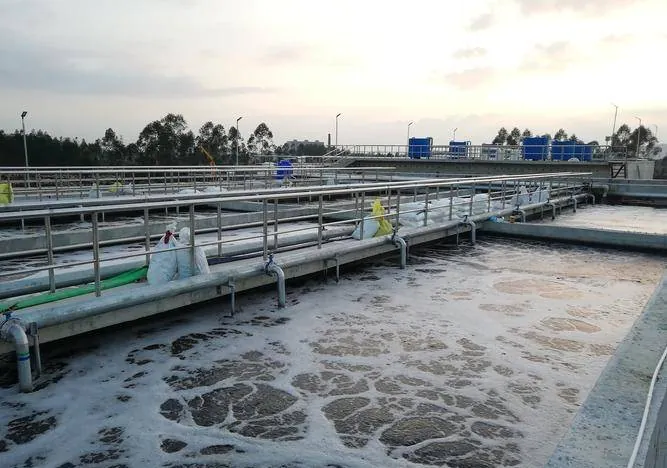
Why Operational Downtime Happens in Treatment Plants
Wastewater treatment systems rely on multiple processes working together. If any part of the process becomes unstable, the entire system can be affected.
Some common causes of downtime include:
- Poor floc formation
- Sludge handling problems
- Excess polymer consumption
- Equipment clogging
- Inconsistent wastewater composition
In many cases, these problems are related to improper polymer selection.
When the correct polyacrylamide is used, flocs form quickly and settle efficiently. When the wrong polymer is used, treatment performance becomes unstable and may require frequent adjustments.
Role of Polyacrylamide in Treatment Stability
Polyacrylamide works by improving solid-liquid separation. It helps suspended particles combine into larger flocs that settle faster.
When the correct polymer grade is selected, the treatment process becomes more stable.
Key benefits include:
- Faster sedimentation
- Reduced suspended solids
- Improved sludge dewatering
- Lower chemical consumption
Stable flocculation means the plant can operate continuously without frequent adjustments or shutdowns.
Factors to Consider When Selecting a Polymer
Selecting the correct polyacrylamide involves evaluating several technical parameters.
1. Polymer Charge Type
Polyacrylamide products can be anionic, cationic, or nonionic.
Different wastewater types require different charge types.
For example:
- Cationic PAM is commonly used for sludge dewatering and municipal wastewater.
- Anionic PAM is often used in mineral processing and industrial wastewater treatment.
Choosing the correct charge type ensures efficient flocculation.
2. Molecular Weight
Molecular weight determines the polymer’s bridging ability.
High molecular weight PAM can form larger flocs, which improves sedimentation efficiency.
However, extremely high molecular weight polymers may increase solution viscosity and require proper mixing conditions.
Balancing molecular weight and treatment requirements is essential for stable operation.
3. Wastewater Characteristics
Each treatment plant has different wastewater characteristics, such as:
- suspended solids concentration
- pH levels
- organic content
- salinity
These parameters affect polymer performance. Laboratory testing is usually required to determine the most suitable polymer.
👉 Related guide:
How to Calculate PAM Dosage Accurately
Benefits of Using the Right Polymer
Choosing the correct polyacrylamide grade can significantly reduce operational problems.
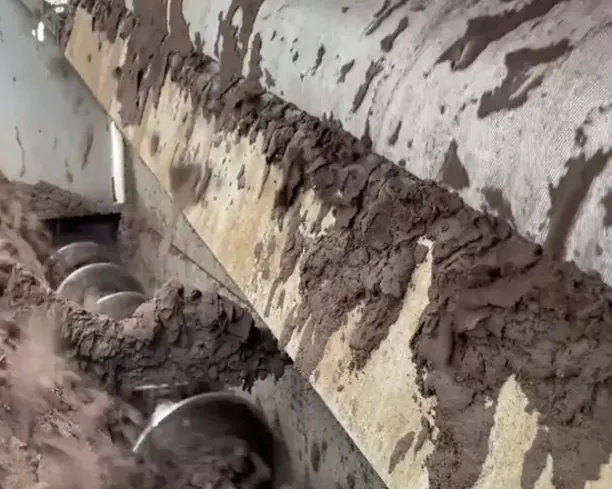
More Stable Treatment Process
Proper polymer selection produces consistent floc formation, which keeps sedimentation tanks operating efficiently.
Reduced Equipment Maintenance
Correct polymer use prevents sludge accumulation and reduces the risk of equipment clogging.
Lower Chemical Costs
Efficient flocculation reduces the amount of polymer required, lowering chemical consumption.
Improved Sludge Dewatering
Better floc structure improves sludge dewatering performance and reduces disposal costs.
Practical Tips for Polymer Optimization
Treatment plants can follow several steps to ensure proper polymer selection.
Conduct Jar Tests
Jar testing allows operators to compare different polymer grades under controlled conditions.
Monitor Plant Performance
Regular monitoring of floc size, sedimentation speed, and sludge dryness helps identify whether the polymer is performing effectively.
Work with Experienced Suppliers
Reliable polymer suppliers can provide technical guidance and recommend the most suitable polymer grade based on wastewater characteristics.
Conclusion
Operational downtime in wastewater treatment plants can lead to high costs and reduced treatment efficiency. One important factor influencing plant stability is the correct selection of polyacrylamide polymers.
By choosing the right polymer type, molecular weight, and dosage, treatment plants can improve flocculation performance and maintain stable operation.
Proper polymer selection not only reduces downtime but also improves sludge dewatering, lowers chemical consumption, and enhances overall treatment efficiency.
If your treatment plant experiences unstable flocculation, excessive chemical consumption, or frequent shutdowns, selecting the right polyacrylamide solution can make a significant difference.
Contact us today to receive expert guidance on polymer selection and discover high-performance polyacrylamide products designed for reliable wastewater treatment operations.