
Selecting the correct cationic polyacrylamide (CPAM) is a key factor in achieving stable and efficient coal washing wastewater treatment. Different coal types, operating conditions, and wastewater characteristics require different CPAM properties. An improper selection can lead to poor flocculation, high chemical consumption, and unstable operation.
This guide explains how to choose the right CPAM based on real coal washing plant conditions.
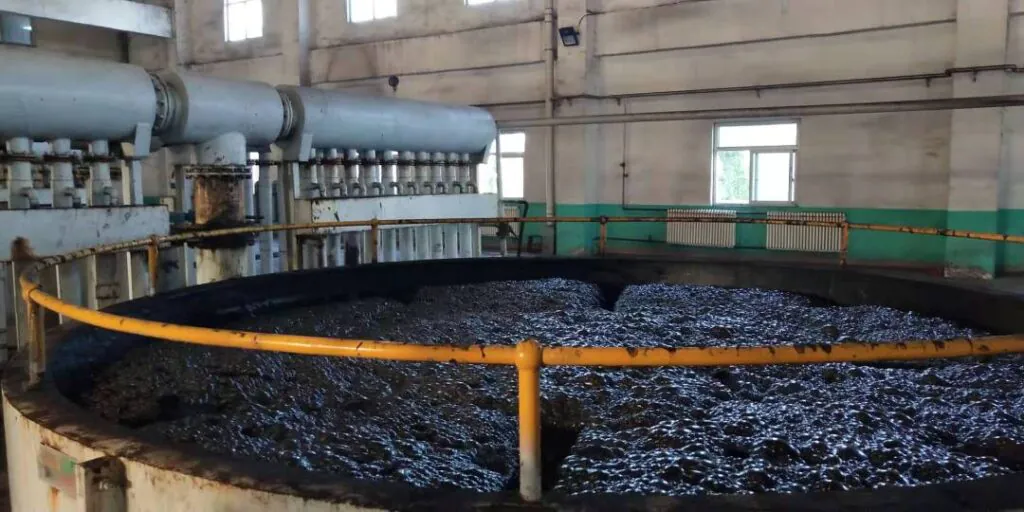
Understand Coal Washing Wastewater Characteristics
Before selecting CPAM, it is essential to analyze the wastewater properties:
- Suspended solids concentration (coal fines, ash, clay)
- Particle size distribution (ultrafine vs coarse particles)
- Surface charge of particles (usually negative)
- pH and salinity
- Presence of flotation reagents or oils
Coal washing wastewater typically contains fine, negatively charged particles, making CPAM a suitable flocculant—but only if its properties are well matched.
Choose the Proper Cationic Degree (Charge Density)
The cationic degree is one of the most important parameters when selecting CPAM.
Low Cationic CPAM
- Suitable for low organic content and moderate turbidity
- Good for wastewater with relatively larger particles
- Lower cost, but weaker charge neutralization
Medium Cationic CPAM
- Widely used in most coal washing plants
- Balanced charge neutralization and floc strength
- Suitable for mixed coal fines and clay
High Cationic CPAM
- Best for high turbidity and fine coal slurry
- Strong adsorption and fast floc formation
- Risk of over-dosing if not controlled
👉 Rule of thumb:
The finer and more stable the coal slime, the higher the cationic degree required.
Select the Appropriate Molecular Weight
Molecular weight determines polymer chain length and floc structure.
High Molecular Weight CPAM
- Strong polymer bridging effect
- Produces large, dense flocs
- Ideal for sedimentation and thickening
- Common choice for coal washing wastewater
Medium Molecular Weight CPAM
- Faster dissolution and dispersion
- Suitable for flotation or filtration systems
- Better shear resistance
For most coal preparation plants, medium-to-high molecular weight CPAM offers the best balance between floc size and stability.
Match CPAM to the Treatment Process
Different treatment units require different CPAM behavior.
| Treatment Process | Recommended CPAM Characteristics |
|---|---|
| Thickener / Settling Tank | High MW, medium–high cationic |
| Belt Filter / Centrifuge | Medium MW, higher cationic |
| Flotation Clarification | Medium MW, fast-dissolving |
| Slurry Dewatering | High MW, strong bridging |
Choosing CPAM based on the actual process unit improves efficiency and reduces chemical waste.
Consider pH and Water Chemistry
CPAM performance is influenced by water conditions:
- Optimal pH: 6.5–8.5
- High salinity may reduce electrostatic attraction
- High calcium or magnesium may enhance floc strength
If wastewater pH fluctuates significantly, a more tolerant CPAM grade should be selected.
Test Before Full-Scale Application
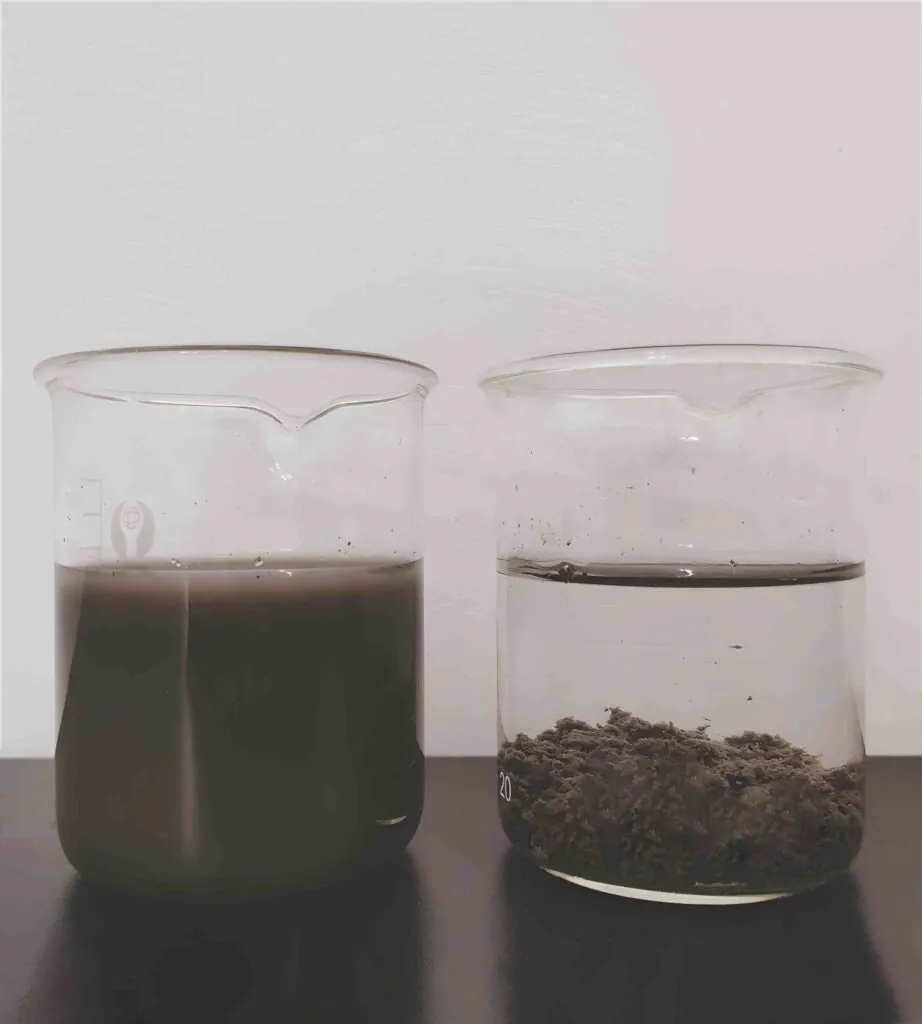
Jar testing is essential before bulk use.
Key evaluation points:
- Floc size and compactness
- Settling speed
- Clarity of supernatant
- Sludge dewatering performance
- Required dosage (g/t or mg/L)
Always compare 2–3 CPAM grades to identify the most cost-effective option, not just the strongest one.
Balance Performance and Cost
Higher cationic degree and molecular weight often mean higher price—but not always better economics.
An optimized CPAM should:
- Achieve target clarity and settling speed
- Require lower dosage
- Produce stable, easy-to-handle sludge
- Reduce total treatment cost per ton of coal
Smart selection focuses on overall system efficiency, not just unit price.
Common CPAM Selection Mistakes
- Choosing CPAM only based on price
- Ignoring particle size distribution
- Overdosing high-cationic CPAM
- Skipping pilot or jar testing
- Using one CPAM grade for all coal types
Avoiding these mistakes can significantly improve treatment stability.
Conclusion
Selecting the right CPAM for coal washing plants requires a clear understanding of wastewater characteristics, treatment processes, and polymer properties. By optimizing cationic degree, molecular weight, dosage, and operating conditions, coal washing plants can achieve:
- Faster solid–liquid separation
- Lower chemical consumption
- More stable operation
- Better compliance with environmental standards
A well-chosen CPAM is not just a flocculant—it is a process optimization tool.