
In wastewater treatment systems, floc formation is not enough.
The strength and stability of flocs determine whether they can:
- Withstand hydraulic turbulence
- Resist shear forces in pipelines
- Settle efficiently in clarifiers
- Maintain structure during sludge dewatering
Weak flocs often break apart, causing:
- Increased effluent turbidity
- Solids carryover
- Reduced settling efficiency
- Higher polymer consumption
Improving floc strength directly improves plant reliability.
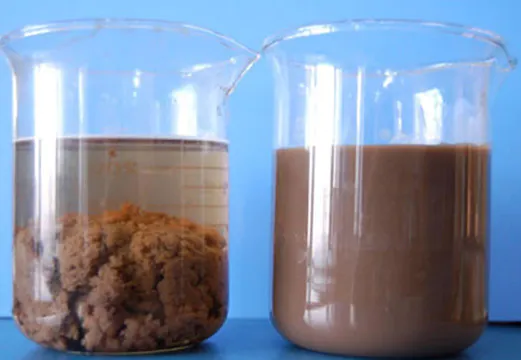
How Polyacrylamide Improves Floc Structure
Polyacrylamide (PAM) enhances floc strength primarily through polymer bridging.
1️⃣ Long Molecular Chains for Strong Bridging
High molecular weight PAM creates extended polymer chains that connect multiple particles, forming:
- Larger flocs
- Denser structures
- More compact aggregates
This increases resistance to mechanical shear.
2️⃣ Optimized Charge Density for Better Particle Binding
Correct ionic charge ensures:
- Strong electrostatic attraction
- Stable particle aggregation
- Reduced floc breakage
If charge density is mismatched, flocs may appear large but remain fragile.
To better understand how polymer selection impacts performance, you may also refer to our detailed guide on selecting appropriate grades:
👉 Choosing the Right PAM Grade for Your Industry
Proper grade matching is the foundation of floc stability.
3️⃣ Improved Performance in Sludge Dewatering
Stronger flocs result in:
- Better water release
- Lower sludge moisture
- Reduced cake cracking
- Improved filter press efficiency
If you are aiming to optimize sludge handling, you can also explore our practical insights here:
👉 Optimizing Sludge Dewatering with Cationic PAM
Stable floc structure significantly enhances dewatering outcomes.
Common Causes of Weak Floc Formation
Even with polymer dosing, weak flocs may result from:
- Incorrect molecular weight
- Inappropriate ionic type
- Excessive mixing speed
- Poor dissolution quality
- Inconsistent polymer batches
High-quality polyacrylamide ensures:
- Stable molecular weight distribution
- Controlled charge density
- Fast and uniform dissolution
- Consistent industrial production
These factors directly influence floc integrity.
Operational Benefits of Strong and Stable Flocs
Enhancing floc strength leads to:
✔ Faster sedimentation
✔ Lower turbidity in treated water
✔ Reduced chemical consumption
✔ Improved sludge compaction
✔ More stable plant performance
Over time, this translates into lower operational cost and reduced system downtime.
Why Polymer Quality Determines Floc Stability
Low-grade polymers may initially form flocs but often fail under real operating conditions.
Our polyacrylamide products provide:
- High molecular weight consistency
- Customizable charge density
- Low residual monomer content
- Reliable bulk supply
- Technical support for application optimization
We focus on delivering polymers that maintain floc integrity under industrial stress conditions.
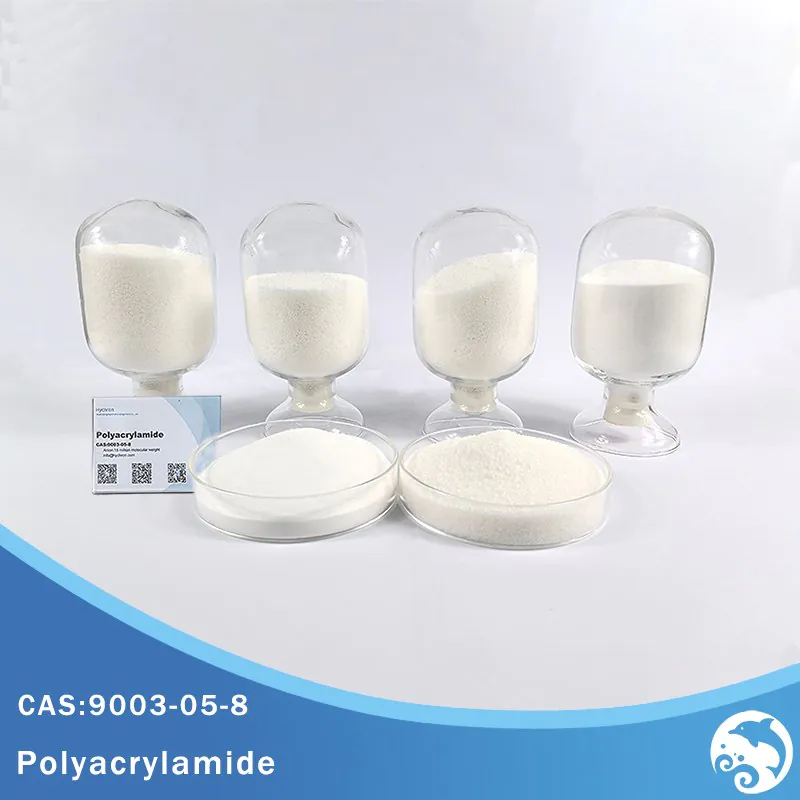
Strengthen Your Treatment Process Today
If your treatment plant experiences:
- Floc breakage
- Turbidity fluctuations
- Sludge instability
- High polymer consumption
It may be time to upgrade your flocculation strategy.
📩 Contact us for:
- Free sample evaluation
- Technical performance consultation
- Customized grade recommendations
- Competitive bulk quotation
Stronger flocs mean more stable operations — and the right polyacrylamide makes that possible.