Skip to content
Aluminum sulfate — commonly called alum — and polyacrylamide are the two most widely used chemicals in wastewater clarification and flocculation programs globally. They work through different mechanisms, perform best in different conditions, and carry very different cost structures. Yet procurement decisions between them are frequently made on purchase price alone, without accounting for the factors that determine total treatment cost.
This guide compares PAM and alum across the dimensions that matter for total cost: chemical consumption, sludge generation, treatment performance, operational complexity, and the scenarios where each option — or a combination — delivers the best value.
How They Work: Fundamentally Different Mechanisms
Understanding the difference in mechanism explains why direct cost comparison on a per-kilogram basis is misleading.
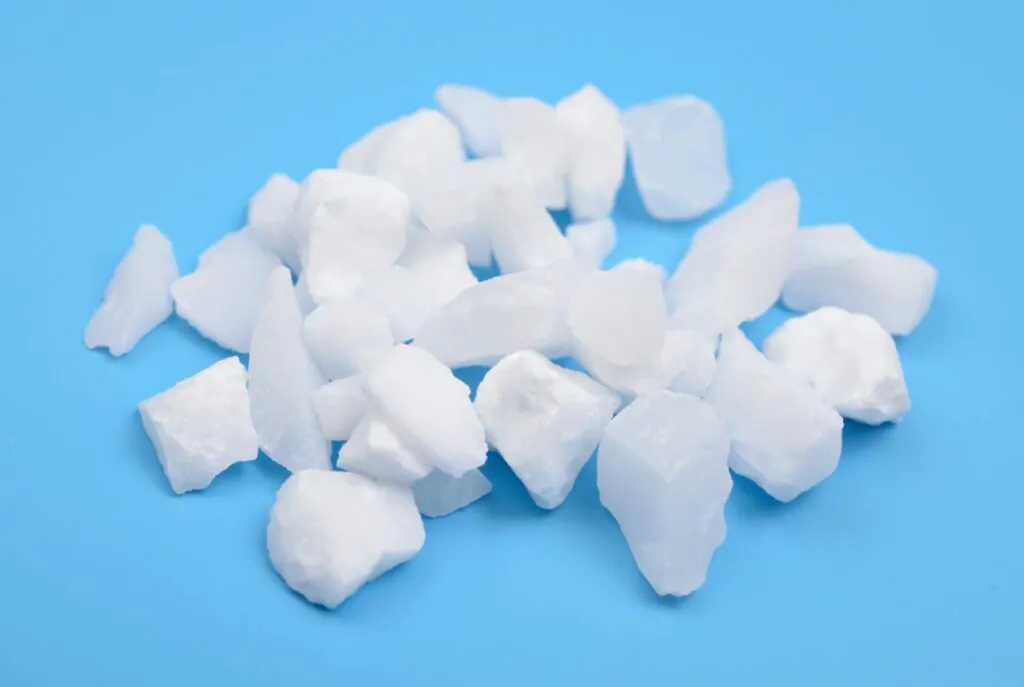
Alum (aluminum sulfate): A coagulant. When added to wastewater, aluminum ions react with hydroxide to form aluminum hydroxide — a gelatinous precipitate that adsorbs onto suspended particles and colloidal material, neutralizing their surface charge and causing them to aggregate into small, dense micro-flocs. Alum works primarily through charge neutralization and sweep flocculation.
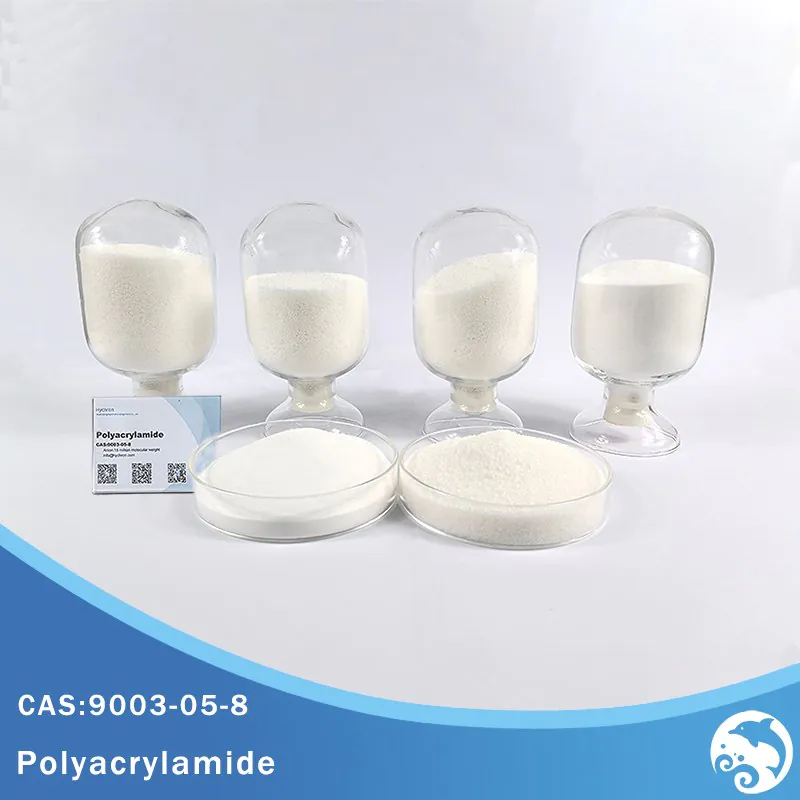
PAM: A flocculant. Polymer chains bridge the micro-flocs or particles formed by coagulation into larger, faster-settling macro-flocs. PAM works primarily through polymer bridging. It does not neutralize charge directly — in most applications, it works best when charge neutralization has already occurred, either through natural particle destabilization or coagulant pre-treatment.
The practical implication: alum and PAM are not direct substitutes. They address different steps in the coagulation-flocculation process. In many treatment systems, the optimal approach combines both — alum for charge neutralization, PAM for floc growth and settlement.
Chemical Cost: Purchase Price vs Effective Dose
On a purchase price basis, alum is significantly cheaper than PAM per kilogram:
| Chemical | Typical Purchase Price | Typical Effective Dose |
|---|---|---|
| Aluminum sulfate (alum) | $0.15–0.35/kg | 30–150 mg/L |
| Polyacrylamide (PAM) | $2.00–3.50/kg | 0.5–10 mg/L |
At first glance, alum appears dramatically cheaper. But effective dosage must be considered. PAM is dosed at 0.5–10 mg/L; alum at 30–150 mg/L. The cost per cubic meter of treated water narrows significantly when dosage is accounted for:
Cost per 1,000 m³ treated water:
| Chemical | Dose | Consumption per 1,000 m³ | Unit Price | Cost per 1,000 m³ |
|---|---|---|---|---|
| Alum only | 80 mg/L | 80 kg | $0.25/kg | $20.00 |
| PAM only | 3 mg/L | 3 kg | $2.80/kg | $8.40 |
| Alum + PAM combined | 50 mg/L + 1.5 mg/L | 50 + 1.5 kg | As above | $13.70 |
In this typical scenario, PAM alone costs less per cubic meter treated than alum alone — despite the higher purchase price per kilogram. The combined program costs between the two, with performance advantages from both.
Sludge Generation: The Largest Hidden Cost Difference
This is where the cost comparison shifts most significantly in favor of PAM for many applications.
Alum treatment generates aluminum hydroxide sludge in addition to the primary contaminant solids. At typical dosages, alum can increase sludge production by 30–60% compared to PAM-only or PAM-dominated programs. This additional sludge volume must be dewatered, transported, and disposed of — at costs that dwarf the chemical cost difference in many markets.
Sludge generation comparison for a facility treating 5,000 m³/day:
| Treatment Program | Primary Solids | Chemical Sludge | Total Wet Sludge (at 75% moisture) | Annual Disposal Cost at $80/tonne |
|---|---|---|---|---|
| Alum at 80 mg/L | 10 t/day dry | 3.2 t/day Al(OH)₃ | 53 t/day | $1,547,600 |
| PAM at 3 mg/L | 10 t/day dry | Negligible | 40 t/day | $1,168,000 |
| Difference | — | — | 13 t/day | $379,600/year |
The sludge disposal saving from PAM-dominated treatment versus alum-heavy treatment — $379,600 per year in this example — typically far exceeds the chemical cost difference between the two programs.
Treatment Performance: Where Each Excels
Alum performs best when:
- Wastewater contains dissolved phosphorus requiring chemical precipitation
- Very fine colloidal particles with strong charge stabilization require charge neutralization before bridging is possible
- pH adjustment to the optimal coagulation range (6.5–7.5) is feasible
- Sludge disposal costs are low relative to chemical costs
PAM performs best when:
- Primary contaminants are settleable suspended solids rather than dissolved species
- Sludge disposal is a significant cost
- High water recycling rates are required
- Treatment throughput and settling speed are priorities
- Sludge dewatering performance matters for disposal cost
Combined alum + PAM programs perform best when:
- Phosphorus removal is required alongside suspended solids clarification
- Very fine colloidal particles require coagulant destabilization before PAM can bridge effectively
- Effluent quality targets are stringent and require both mechanisms
In most industrial wastewater treatment applications where the primary objective is suspended solids removal — mining, construction materials, food processing, industrial recycling water — PAM delivers superior total cost performance to alum-heavy programs. Alum provides its clearest value where dissolved species removal, particularly phosphorus, is the primary treatment objective.
pH Sensitivity: An Operational Consideration
Alum is highly pH-sensitive. Optimal coagulation occurs in a relatively narrow pH range — approximately 6.0–7.5. Outside this range, aluminum hydroxide precipitation is incomplete, coagulation efficiency drops significantly, and excess dissolved aluminum may appear in treated effluent — potentially creating its own compliance problem.
Maintaining pH in the optimal range for alum coagulation requires pH monitoring and often acid or alkali dosing — adding chemical cost, operational complexity, and potential pH adjustment sludge to the overall program.
PAM operates effectively across a broader pH range — most grades perform well from pH 5 to pH 10. For facilities with variable or difficult-to-control pH, PAM-based programs are operationally simpler and more robust.
For guidance on PAM grade selection for variable pH conditions, see: Cationic vs Anionic PAM: Key Differences Explained
When to Use Each: A Decision Framework
| Situation | Recommended Approach |
|---|---|
| Primary goal: suspended solids removal | PAM (anionic or cationic depending on solids type) |
| Primary goal: phosphorus removal | Alum or ferric + PAM combined program |
| High sludge disposal cost | Minimize alum, maximize PAM contribution |
| Low sludge disposal cost | Alum may be cost-competitive |
| Variable or difficult pH | PAM preferred — broader operating range |
| Very fine colloidal particles | Combined coagulant + PAM |
| High water recycling requirement | PAM-dominated program |
| Municipal primary clarification | Combined program standard |
Contact our technical team today to compare PAM and combined program costs for your specific application and wastewater type. → Contact our technical team today
Frequently Asked Questions
Can PAM completely replace alum in municipal wastewater treatment?
For suspended solids removal in municipal primary clarification, PAM can replace alum and often delivers lower total cost due to reduced sludge volume. However, where phosphorus removal is required — increasingly common under tightening nutrient limits — alum or ferric coagulant is necessary for chemical precipitation. In these cases, PAM is used alongside the coagulant rather than as a replacement. The typical optimized approach minimizes coagulant dose and uses PAM to maximize floc growth and settling efficiency.
Does alum affect biological treatment downstream?
Yes. Residual aluminum from alum treatment can inhibit nitrification and other biological treatment processes at elevated concentrations. Overdosing alum — which is common when used as the sole treatment chemical — increases this inhibition risk. PAM has no inhibitory effect on biological treatment at treatment concentrations.
How do we calculate the true cost comparison for our specific operation?
The key variables are: chemical unit prices, required dosages (determined by jar testing), sludge production rate, disposal cost per tonne, and any pH adjustment costs. Our technical team can conduct this calculation for your operation using your specific cost data. Contact us to arrange a free cost comparison analysis.
Conclusion
The cost comparison between PAM and alum is more complex than purchase price suggests. When total treatment cost is calculated — including chemical consumption per unit volume, sludge generation and disposal, operational complexity, and pH management — PAM-dominated programs deliver lower total cost than alum-heavy programs in most industrial suspended solids applications.
The clearest use case for alum remains dissolved phosphorus removal, where chemical precipitation is necessary. For most other applications, optimizing toward PAM and minimizing coagulant use delivers better economics alongside better treatment performance.
Ready to run a total cost comparison for your operation? Contact us today for a free analysis and PAM program recommendation. → Get in touch today