
Written by the HyChron Technical Team — water treatment specialists with over 15 years of field experience in municipal and industrial systems. Last reviewed: April 2026
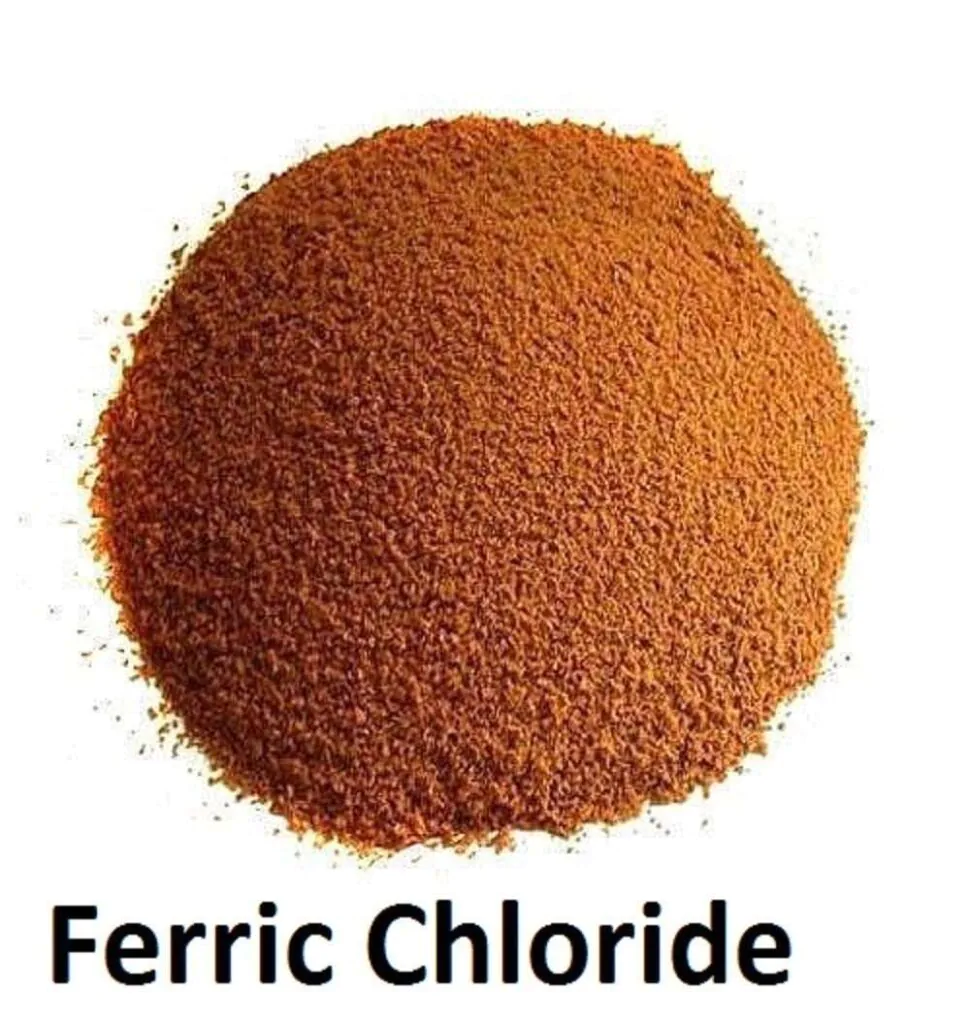
PAC and ferric chloride are both widely used inorganic coagulants — and both are frequently evaluated as alternatives to each other when a plant is reviewing its chemical program. They work through the same fundamental mechanism (charge neutralization) but differ significantly in chemistry, performance characteristics, and total operating cost.
This article gives you the framework to make the right choice for your specific application — comparing both coagulants on the criteria that matter most to treatment plant operators.
Establishing the Right Comparison Criteria
Choosing between PAC and ferric chloride should not be based on unit price or brand preference. The criteria that determine which coagulant is better for a given application are:
- Effective pH range — which handles your source water chemistry better
- Turbidity removal efficiency — which achieves your effluent target at lower dose
- Sludge production — which generates less sludge per m³ treated
- Cold-water performance — which maintains performance below 10°C
- Residual compliance — aluminum vs iron limits in your discharge standard
- Equipment compatibility — corrosivity, storage, and handling requirements
- Total cost per m³ — chemical purchase + sludge disposal + maintenance
Head-to-Head Comparison
| Parameter | PAC | Ferric Chloride (FeCl₃) |
|---|---|---|
| Effective pH range | 5.0–9.0 | 4.0–7.5 |
| Turbidity removal | Excellent across wide pH | Excellent at low pH, moderate at higher pH |
| Color removal | Good–Excellent | Good |
| Phosphorus removal | Good | Excellent |
| Sludge production | Lower | Similar to alum or higher |
| Cold-water performance | Good | Moderate |
| Residual in effluent | Aluminum (regulated in drinking water) | Iron (may cause color issues) |
| Corrosivity | Low–Moderate | High (extremely corrosive) |
| Equipment requirements | Standard HDPE tanks | FRP or rubber-lined tanks required |
| Handling hazard | Low | High (highly corrosive liquid) |
| Cost per kg | Moderate | Moderate–High |
| Cost per m³ treated | Lower in most applications | Higher due to sludge and corrosion costs |
Parameter-by-Parameter Analysis
pH Range
PAC’s effective range of pH 5.0–9.0 is broader than ferric chloride’s effective range of approximately 4.0–7.5. Above pH 7.5, ferric chloride’s coagulation efficiency decreases significantly as iron hydroxide precipitation becomes less complete.
Winner: PAC for water or effluent above pH 7.5. Ferric chloride for strongly acidic applications (pH 4–6).
Phosphorus Removal
Ferric chloride has a distinct advantage for biological phosphorus removal applications. Iron forms less soluble phosphate precipitates than aluminum across a wider pH range, making ferric chloride the preferred choice for plants with strict phosphorus discharge limits.
Winner: Ferric chloride for phosphorus removal. PAC where phosphorus is not a primary treatment target.
Sludge Production
Ferric chloride produces sludge volumes comparable to or higher than alum, depending on application. PAC consistently produces 30–50% less sludge than alum at equivalent turbidity removal, and performs comparably or better versus ferric chloride.
Winner: PAC for most applications. The sludge saving versus ferric chloride is significant for high-volume plants.
Equipment Corrosivity
Ferric chloride is one of the most corrosive chemicals used in water treatment. It attacks carbon steel, mild steel, and many common materials aggressively. Storage tanks must be rubber-lined, FRP (fibreglass), or made from specific alloys. Dosing pumps require corrosion-resistant wetted parts.
PAC is significantly less corrosive. Standard HDPE tanks and conventional dosing pump materials are compatible.
Winner: PAC — significantly lower capital and maintenance cost for chemical handling infrastructure.
Residual in Treated Water
PAC leaves residual aluminum; ferric chloride leaves residual iron. Both are regulated in drinking water, but iron residuals cause visible color issues (yellow-brown staining) at much lower concentrations than aluminum — making ferric chloride more operationally sensitive in drinking water applications.
Winner: PAC for drinking water applications where residual color is a concern.
Cold-Water Performance
Both PAC and ferric chloride perform better than alum in cold water, but PAC’s pre-polymerized structure gives it a more consistent cold-weather advantage. Ferric chloride’s hydrolysis is temperature-sensitive, similar to alum.
Winner: PAC for consistent cold-water performance.

When to Choose PAC
PAC is the better choice when:
- Source water or effluent pH is above 7.0
- Drinking water application with iron color residual concerns
- Cold-climate operation requiring stable year-round performance
- Sludge disposal is a significant cost driver
- Chemical handling infrastructure uses standard materials (HDPE, mild steel)
- Total cost per m³ is the primary decision criterion
For detailed PAC advantages: Key Advantages of PAC in Water Treatment
When to Choose Ferric Chloride
Ferric chloride is the better choice when:
- Strict phosphorus removal is required (ferric forms less soluble iron phosphate)
- Source water pH is consistently below 6.5
- Existing equipment is already configured for ferric chloride handling
- Biological phosphorus removal is already using iron-based chemistry for synergy
Dosage Reference for Each Application
| Application | PAC Typical Dose | Ferric Chloride Typical Dose |
|---|---|---|
| Drinking water (low turbidity) | 5–20 mg/L | 5–25 mg/L |
| Municipal wastewater | 20–60 mg/L | 20–70 mg/L |
| Phosphorus removal | 20–50 mg/L | 15–40 mg/L |
| Industrial wastewater | 20–100 mg/L | 25–100 mg/L |
Always confirm dosage by jar test for your specific water.
Frequently Asked Questions
Can I switch from ferric chloride to PAC without changing storage and dosing equipment?
Likely yes for dosing pumps and pipework if they use HDPE or stainless materials. If storage tanks are rubber-lined specifically for ferric chloride’s high corrosivity, they are compatible with PAC — but PAC does not require this level of corrosion protection. The main change required is dosage recalibration via jar test.
Does PAC achieve the same phosphorus removal as ferric chloride?
PAC achieves meaningful phosphorus removal through aluminum phosphate precipitation but is generally less effective than ferric chloride for strict total phosphorus limits below 0.5 mg/L. For applications where phosphorus removal is secondary and turbidity is primary, PAC performs comparably or better overall.
Is ferric chloride cheaper overall than PAC?
Rarely, when the full cost picture is considered. Ferric chloride’s high corrosivity drives higher capital and maintenance costs for chemical handling systems. Its sludge production is similar to or higher than alum, compared to PAC’s 30–50% lower sludge output. For most applications, PAC delivers lower total treatment cost.
Conclusion
PAC and ferric chloride are both effective coagulants — but they serve different primary use cases. PAC is the better all-round choice for turbidity removal across variable pH and temperature conditions, with lower sludge production, safer handling, and lower total treatment cost. Ferric chloride maintains an advantage for strict phosphorus removal and strongly acidic applications.
For the majority of municipal and industrial water treatment applications, PAC delivers superior performance and economics.
Contact our technical team today for a free PAC vs ferric chloride comparison for your specific application, product samples, and a dosage recommendation. We respond within 24 hours.