
Written by the HyChron Technical Team — water treatment specialists with over 15 years of field experience in municipal and industrial systems. Last reviewed: April 2026
Dyeing and printing operations generate some of the most heavily colored and chemically complex wastewater in manufacturing. A single production run can produce effluent with color values exceeding 1,000 ADMI units, COD levels above 2,000 mg/L, and pH swings from below 4 to above 11 — all within the same day.
Meeting discharge standards for this type of effluent is one of the most persistent compliance challenges in the textile industry. Biological treatment alone is not sufficient — synthetic dyes are resistant to microbial degradation and require physical-chemical treatment as a first step.
PAC (Poly Aluminum Chloride) is the coagulant most widely used for this first-line treatment step. Its effectiveness against negatively charged dye molecules, combined with its wide pH tolerance and lower sludge production than alum, makes it the practical choice for dyeing and printing wastewater treatment.
Struggling with color and COD compliance at your dyeing or printing facility? Contact our technical team for a free effluent assessment and PAC recommendation.
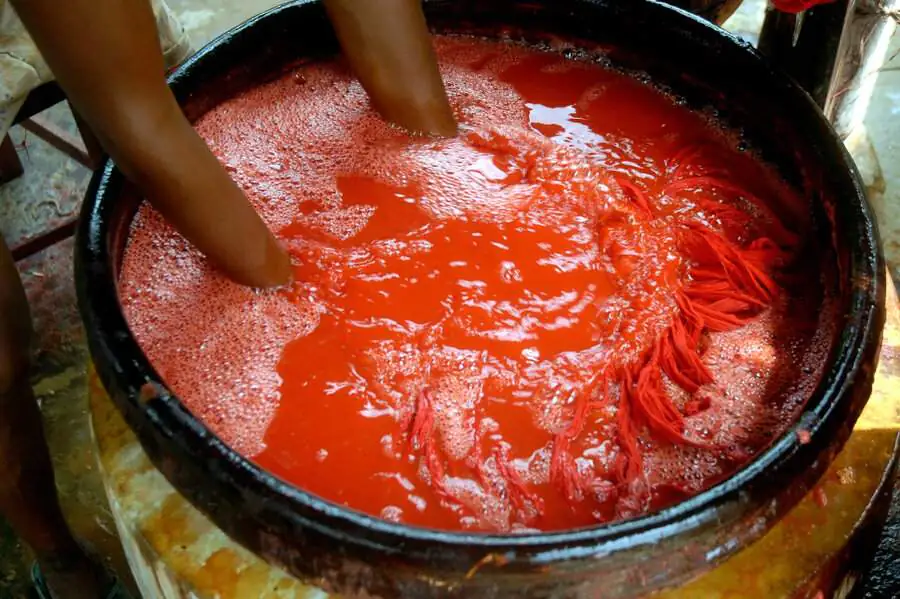
The Core Challenge: Why Dyes Are Hard to Remove
Synthetic dyes are specifically engineered to be chemically stable and to bond strongly with textile fibres. These same properties make them resistant to natural degradation and conventional treatment:
- Strong negative surface charges keep dye molecules dispersed in water and prevent natural aggregation
- Molecular stability makes them resistant to biological breakdown
- High water solubility means they do not settle without chemical destabilization
- Chromophore groups maintain color even at very low concentrations — making visual color compliance difficult to achieve
PAC addresses the first and most fundamental of these challenges: it neutralizes the negative charges on dye molecules, allowing them to aggregate into settleable flocs.
How PAC Removes Dyes from Wastewater
When PAC is added to dyeing or printing effluent:
- Charge neutralization — PAC’s positively charged aluminum species adsorb onto negatively charged dye molecules and colloidal particles, neutralizing their surface charges and eliminating the electrostatic repulsion that keeps them dispersed
- Aggregation — destabilized dye molecules and particles collide and begin to form micro-flocs
- Sweep flocculation — aluminum hydroxide precipitates form a voluminous floc matrix that physically entraps dye aggregates, fine fibres, and colloidal organic matter
- Sedimentation or flotation — the resulting flocs are dense enough to settle by gravity or be removed by dissolved air flotation
Typical removal performance with optimized PAC dosing:
- Color: 70–90% reduction (ADMI or Pt-Co)
- COD: 40–65% reduction (colloidal fraction)
- TSS: 85–95% reduction
- Turbidity: 85–95% reduction
Dosage and pH Optimization
Dosage Ranges
| Effluent Characteristics | Typical PAC Dosage |
|---|---|
| Light color (< 200 ADMI) | 50–100 mg/L |
| Moderate color (200–500 ADMI) | 100–150 mg/L |
| Heavy color (> 500 ADMI) | 150–250 mg/L |
| High COD with mixed dye types | 120–200 mg/L |
Jar testing is essential — dye type has a significant effect on the required PAC dose and achievable removal rate.
pH Control
For dyeing and printing effluent specifically, pH management before PAC dosing has a significant impact on color removal efficiency:
- pH 5.5–7.0 — optimal range for most reactive and direct dyes; produces the tightest, densest flocs
- Above pH 8.0 — PAC still works but color removal efficiency decreases for most dye types
- Below pH 5.0 — PAC hydrolysis is incomplete; coagulation efficiency drops
If your effluent regularly arrives at the treatment stage above pH 8 from alkaline scouring or dyeing processes, a mild acid dosing step before PAC addition will improve color removal results significantly.

Combining PAC with Other Treatment Steps
PAC coagulation alone is rarely sufficient to meet the strictest discharge standards for dyeing effluent. It works best as the first step in a multi-stage treatment system:
PAC → Sedimentation/DAF → Biological Treatment PAC removes the majority of color, TSS, and colloidal COD in the physical-chemical stage. The clarified effluent then enters biological treatment with a significantly reduced load — improving biological stability and allowing the biological stage to handle the remaining soluble BOD and COD.
PAC + PAM Adding a small dose of anionic polyacrylamide (PAM) during the slow-mix flocculation stage bridges PAC micro-flocs into larger, faster-settling aggregates. This combination typically improves color removal by a further 5–15% and significantly reduces carry-over into downstream treatment.
For an overview of PAC applications across the broader textile sector: Using PAC in Textile Wastewater Treatment
For comparison with other coagulant options: PAC vs Alum: Which Coagulant Is Better?
Sludge Considerations
PAC sludge from dyeing and printing treatment is colored and may contain trace metals from metallic dyes. Key points:
- Volume: PAC produces 30–50% less sludge than alum at equivalent treatment performance
- Dewaterability: PAC sludge from dyeing effluent dewaters reasonably well with belt press or filter press equipment
- Disposal classification: sludge from dyeing operations may be classified as hazardous waste in some jurisdictions depending on dye and metal content; always confirm classification with your local regulatory authority before disposal
- Sludge characterization: request COD, heavy metals, and dye content analysis before selecting a disposal route
Frequently Asked Questions
Does PAC work on all dye types used in dyeing and printing?
PAC is most effective on reactive dyes, direct dyes, acid dyes, and disperse dyes. It is less effective on vat dyes and sulfur dyes, which may require supplementary treatment such as oxidation or adsorption. Jar testing with your specific dye mix is the most reliable way to confirm expected removal rates.
What is the difference between PAC and alum for dye removal?
PAC consistently outperforms alum for color removal in dyeing effluent due to its wider pH operating range and higher charge density at lower doses. Alum requires strict pH control at 6.5–7.5, which is difficult to maintain consistently in dyeing operations with variable pH influent. PAC also produces significantly less sludge at equivalent color removal levels.
Can I use PAC without any pH adjustment?
It depends on your effluent pH. If your dyeing effluent consistently arrives at pH 6–8, PAC can be dosed directly without pre-adjustment and still achieve good color removal. For strongly alkaline effluent (pH > 9) or strongly acidic effluent (pH < 5), pH correction before dosing will meaningfully improve results.
Conclusion
Dyeing and printing wastewater is one of the most demanding treatment challenges in the textile industry — and PAC is one of the most effective tools available for addressing it. Its ability to neutralize dye molecule charges, form fast-settling flocs, and operate across a wide pH range makes it the practical first-line coagulant for facilities that need to achieve consistent color and COD reduction.
Used correctly — with proper pH control, optimized dosing confirmed by jar test, and combination with PAM where needed — PAC can reliably achieve the color and TSS reductions required for regulatory compliance.
Contact our technical team today for a free dyeing effluent assessment, PAC product samples, and a customized dosage recommendation. We respond within 24 hours.