
Rubber factory wastewater is known for its high organic load, strong odor, and unstable composition.
Without effective treatment, it can easily exceed discharge limits and cause serious environmental issues.
Polyaluminium Chloride (PAC) is widely used in rubber factory wastewater treatment due to its strong flocculation ability, stable pH performance, and low operating cost.
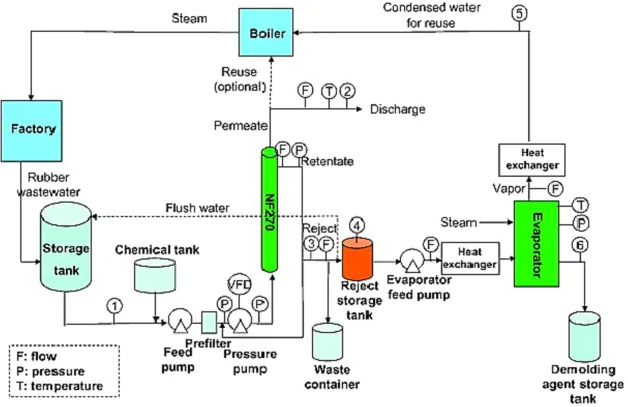
Characteristics of Rubber Factory Wastewater
Rubber manufacturing wastewater typically contains:
- High COD and BOD from latex, additives, and processing agents
- High suspended solids (SS)
- Heavy metal ions from compounding and cleaning processes
- Colloidal and emulsified organic matter
These characteristics make conventional sedimentation ineffective without chemical assistance.
👉 Related background: What Is Polyaluminium Chloride (PAC)?
Why PAC Is Suitable for Rubber Factory Wastewater
PAC is a polynuclear inorganic polymer flocculant. During hydrolysis, it undergoes multiple physical and chemical reactions, including:
- Charge neutralization
- Adsorption bridging
- Precipitation and aggregation
Unlike traditional aluminum salts, PAC does not cause significant pH fluctuation, which is critical for downstream biological treatment.
Treatment Performance of PAC in Rubber Factory Wastewater
Practical tests and field applications show that PAC can effectively remove:
- COD and BOD
- Suspended solids (SS)
- Heavy metal ions
Compared with other water treatment chemicals, PAC offers:
- Lower dosage
- Less sludge generation
- Reduced pipeline and equipment corrosion
👉 For comparison with other coagulants, see Wastewater PAC vs Drinking Water PAC
Typical Flocculation Process Observation
In laboratory jar tests simulating rubber factory wastewater:
- After ~5 minutes: suspended flocs begin to form
- After ~10 minutes: visible sedimentation occurs
- After ~1 hour: supernatant becomes significantly clearer
- After 24 hours: solution becomes transparent with compact yellow-white sludge at the bottom
Throughout the process, water pH remains stable, confirming PAC’s mild chemical behavior.
Operational Advantages in Industrial Application
1. Stable pH Control
PAC minimizes pH shock, reducing the need for:
- Additional pH adjustment chemicals
- Process corrections
2. Low Equipment Corrosion
PAC is less corrosive than:
- Aluminum sulfate
- Ferric salts
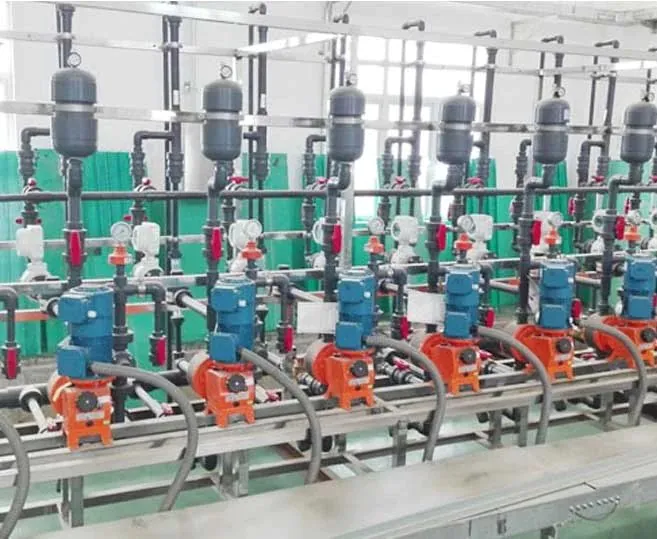
This extends the service life of dosing systems and pipelines.
Integration With Other Treatment Processes
PAC is often used as a pretreatment chemical, preparing wastewater for:
- Biological treatment
- Sludge dewatering
- Advanced filtration
For enhanced solid-liquid separation, PAC is commonly combined with polymers.
Procurement Considerations for Rubber Factories
When selecting PAC for rubber wastewater treatment, buyers should focus on:
- Al₂O₃ content
- Insoluble matter level
- Batch consistency
- Technical support for jar testing
Choosing the right PAC grade ensures:
- Stable discharge compliance
- Lower long-term operating cost
Conclusion
PAC plays a critical role in rubber factory wastewater treatment by efficiently removing organic pollutants, suspended solids, and heavy metals while maintaining stable pH conditions.
Its advantages—low dosage, low corrosion, and strong flocculation—make it a cost-effective and reliable solution for rubber manufacturing plants aiming to meet environmental discharge standards.

