 Skip to content
Description
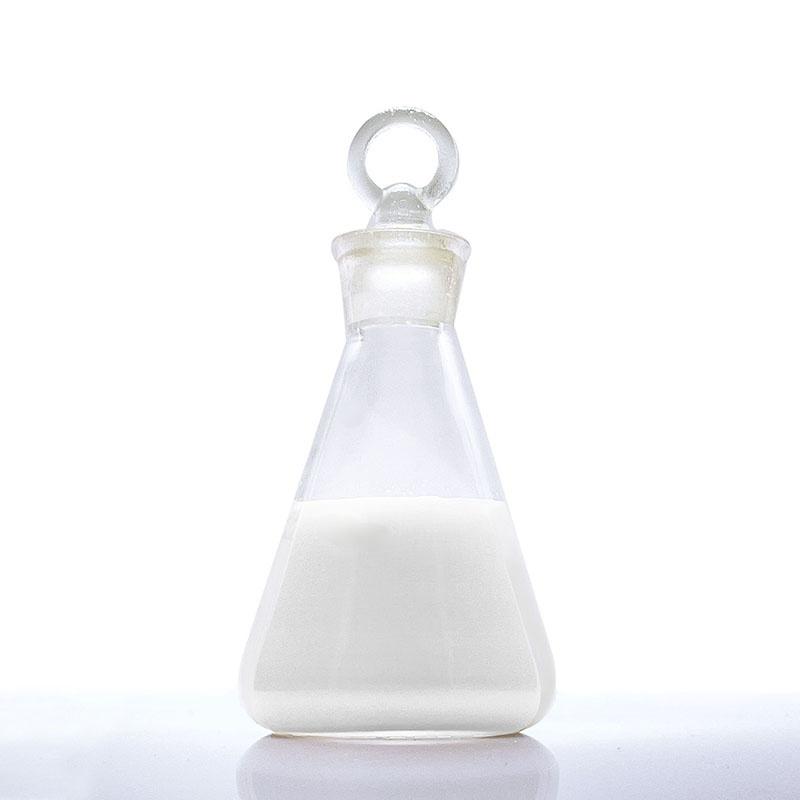
Polyether defoamer
Polyether defoamers are mixtures of various polyether polyols produced by reacting different initiators with ethylene oxide, propylene oxide, or butylene oxide under a catalyst through special processing. Their molecular structure contains both hydrophilic and hydrophobic groups, allowing them to break the double electric layer in foam and achieve defoaming.
Different initiators and oxide sequences are selected based on industry needs. In some cases, graft modification is applied to enhance performance. These defoamers feature low volatility, strong chemical stability, acid and alkali resistance, and long-lasting antifoam effects. They are widely used across industries.
| Model | Appearance | pH | Solid Content | Viscosity (25°C) | Application Areas |
| HC-09 | Colorless transparent viscous liquid | 5.0–8.0 | ≥99.8% | 180–500 mPa·s | Fermentation, evaporation, alumina, desulfurization |
| HC-20 | Colorless transparent viscous liquid | 5.0–8.0 | ≥99.8% | 180–500 mPa·s | Aeration tanks, landfill leachate, white water, slag washing, desulfurization, evaporation |
| HC-203 | Milky white viscous liquid | 5.0–8.0 | 30% | 200–2000 mPa·s | Aeration tanks, landfill leachate, white water, desulfurization |
| HC-205 | Milky white viscous liquid | 5.0–8.0 | 50% | 200–2000 mPa·s | Aeration tanks, landfill leachate, white water, desulfurization, evaporation |

Reviews
There are no reviews yet.