Skip to content
In modern wastewater treatment plants, operators must balance two important goals: achieving high treatment efficiency and controlling operating costs. Chemical additives play a key role in this process, especially flocculants such as polyacrylamide (PAM).
Many plant managers focus only on the purchase price of treatment chemicals. However, the true value of polyacrylamide should be evaluated based on its return on investment (ROI). When used correctly, PAM can significantly reduce sludge disposal costs, improve treatment performance, and lower overall operational expenses.
This article explains how polyacrylamide delivers measurable economic benefits in wastewater treatment systems.
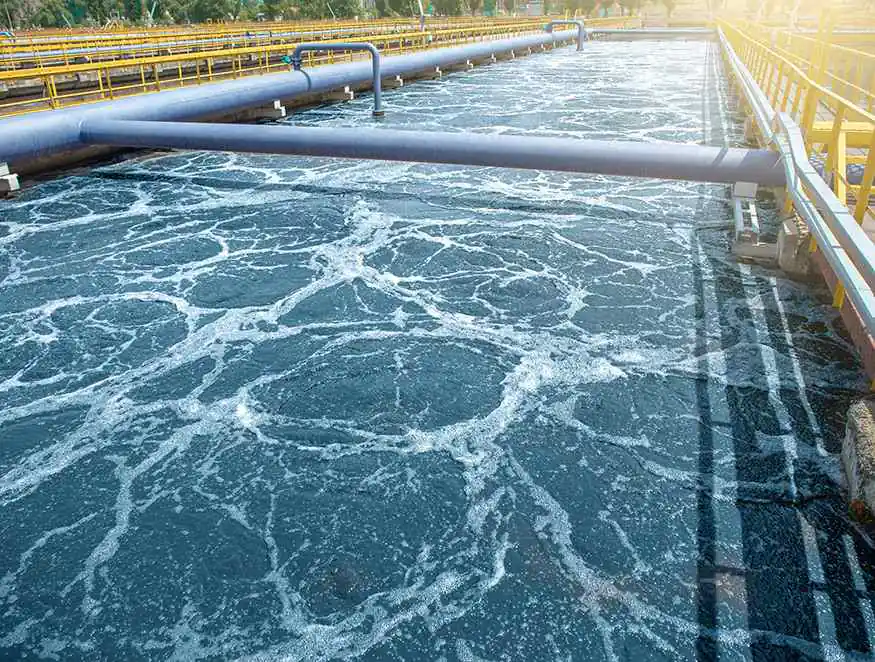
Understanding the Role of PAM in Treatment Efficiency
Polyacrylamide is a high-molecular-weight polymer widely used as a flocculant in wastewater treatment processes. Its main function is to improve solid-liquid separation.
When PAM is added to wastewater, it helps small suspended particles combine into larger flocs. These flocs settle faster in sedimentation tanks and can be removed more easily during sludge dewatering.
As a result, treatment plants experience:
- Faster sedimentation
- Clearer treated water
- Reduced suspended solids
- Improved sludge handling
These improvements directly influence the economic performance of the treatment system.
Key Areas Where PAM Improves ROI
The economic benefits of polyacrylamide come from several operational improvements.
Reduced Sludge Disposal Costs
Sludge disposal is often one of the largest expenses in wastewater treatment plants.
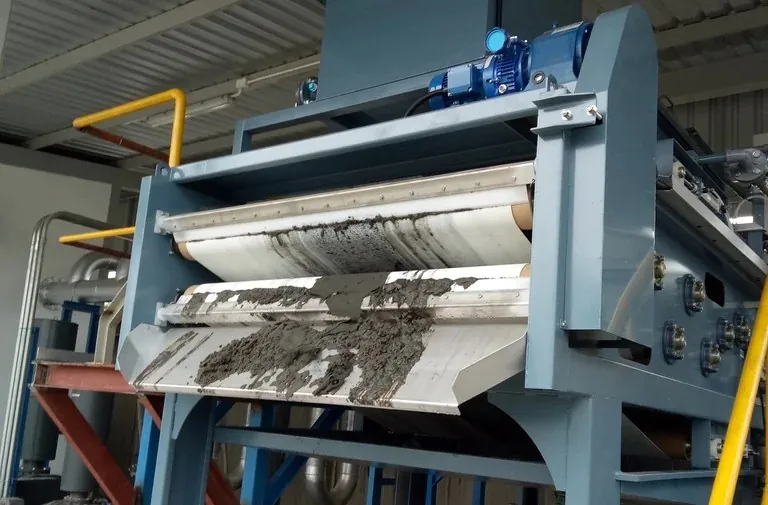
When PAM is used effectively, it improves floc formation and increases sludge density. This leads to higher solid content after dewatering.
Benefits include:
- Lower sludge volume
- Reduced transportation costs
- Lower disposal fees
In many treatment plants, optimizing polymer usage can reduce sludge disposal costs by 10–30%.
Lower Energy Consumption
Better flocculation improves sedimentation efficiency and reduces the workload on downstream treatment equipment.
For example:
- Reduced aeration energy
- Less pumping requirements
- Shorter dewatering cycles
These improvements translate into measurable energy savings.
Improved Treatment Stability
Consistent flocculation reduces process fluctuations and improves system reliability.
Stable operation means fewer process adjustments and fewer shutdowns.
👉 Related article:
Reducing Operational Downtime with Proper Polymer Selection
When treatment systems operate smoothly, plants can maintain compliance with environmental regulations while minimizing operational disruptions.
Cost Comparison: With and Without PAM
To better understand the ROI of polyacrylamide, it is helpful to compare treatment performance with and without polymer use.
| Parameter | Without PAM | With PAM |
|---|---|---|
| Sedimentation speed | Slow | Faster |
| Sludge density | Low | High |
| Sludge disposal cost | High | Lower |
| Treatment efficiency | Moderate | High |
Although polymer adds a chemical cost, the overall operational savings often exceed the polymer expense.
Factors That Affect Polymer ROI
Not all polymer applications deliver the same economic results. Several factors influence the final return on investment.
Correct Polymer Selection
Choosing the correct polymer type and molecular weight is essential.
Using the wrong polymer can increase dosage requirements and reduce treatment efficiency.
Accurate Dosage Control
Overdosing polymer increases chemical cost without improving performance.
Proper dosage optimization is critical.
👉 You may also read:
How to Calculate PAM Dosage Accurately
Product Quality
High-quality polyacrylamide dissolves faster and provides more consistent flocculation performance. This reduces dosage requirements and improves economic efficiency.
Long-Term Economic Benefits
When evaluated over long periods, the economic advantages of polyacrylamide become even more significant.
Long-term benefits include:
- Lower sludge disposal costs
- Reduced maintenance requirements
- Improved equipment efficiency
- Better compliance with environmental regulations
For many industrial plants, these factors lead to significant cost savings over time.
Why Choosing a Reliable PAM Supplier Matters
Polymer quality and technical support play an important role in maximizing ROI.
A reliable polyacrylamide supplier can provide:
- Consistent product quality
- Technical support for polymer selection
- Assistance with dosage optimization
- Stable bulk supply
Working with an experienced supplier helps treatment plants achieve better operational results.
Our polyacrylamide products are designed for high flocculation efficiency, fast dissolution, and stable performance, making them suitable for a wide range of wastewater treatment applications.
Conclusion
Polyacrylamide is not just a treatment chemical—it is an important tool for improving the economic performance of wastewater treatment systems.
By enhancing flocculation, reducing sludge volume, and improving treatment stability, PAM can deliver strong return on investment for treatment plants.
When the correct polymer type and dosage are used, the operational savings often exceed the chemical cost.
If your treatment facility is looking to reduce sludge disposal costs, improve treatment efficiency, and maximize operational savings, choosing the right polyacrylamide solution can provide significant financial benefits.
Contact our team today to receive expert advice and high-quality polyacrylamide products designed to maximize the ROI of your wastewater treatment operations.