
Written by the HyChron Technical Team — water treatment specialists with over 15 years of field experience in municipal and industrial systems. Last reviewed: April 2026
Sustainability in water treatment is no longer a corporate reporting exercise — it is a procurement criterion, a regulatory expectation, and increasingly a competitive differentiator for industrial facilities seeking to maintain their social license to operate.
For water treatment operations, sustainability means reducing chemical consumption per cubic meter treated, minimizing sludge generation and disposal, lowering energy requirements for treatment, and enabling water recycling and reuse. PAC contributes meaningfully to all four dimensions — not as a marketing claim, but through measurable operational outcomes that translate directly into environmental and economic benefits.
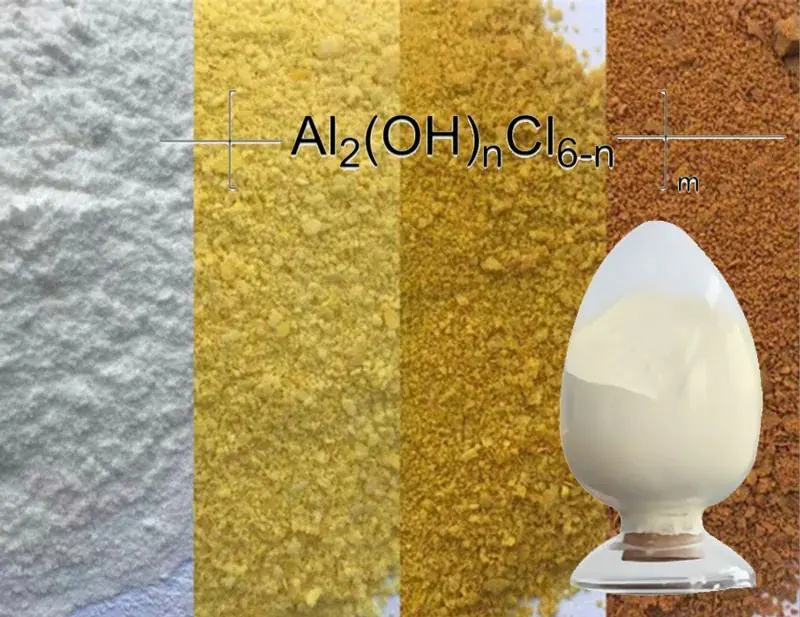
The Sustainability Imperative in Water Treatment
Global Water Stress
According to the UN World Water Development Report, over 2 billion people live in water-stressed countries, and demand for freshwater is projected to exceed sustainable supply by 40% by 2030. Industrial water users — which account for approximately 20% of global freshwater withdrawals — are under increasing pressure to reduce intake, increase recycling, and minimize discharge volumes.
PAC’s role in enabling water recycling — through faster clarification of process water and effective physical-chemical pre-treatment before reuse systems — directly addresses industrial water stress.
Chemical Footprint Reduction
Industrial sustainability frameworks (GRI, CDP, and sector-specific environmental management standards) increasingly require disclosure of chemical consumption per unit of production. Lower chemical dosage per cubic meter treated reduces the chemical footprint metric — a benefit that PAC’s 30–50% lower dosage versus alum directly delivers.
Carbon Footprint in Sludge Management
Sludge transport and disposal is energy-intensive. A 40% reduction in sludge volume from switching to PAC translates into a measurable reduction in transport fuel consumption and, where sludge is incinerated, in combustion energy requirements.
How PAC Contributes to Sustainable Water Treatment
1. Lower Chemical Consumption Per m³ Treated
PAC’s 30–50% lower effective dosage than alum means less chemical is manufactured, transported, and consumed per cubic meter of water treated. Manufacturing aluminum-based coagulants has an embodied carbon footprint — less chemical consumption means a lower treatment-related carbon footprint per m³.
Quantified impact: A plant treating 5,000 m³/day switching from 40 mg/L alum to 22 mg/L PAC reduces annual coagulant consumption by approximately 66 tonnes — a meaningful reduction in chemical supply chain activity.
2. Reduced Sludge Generation and Disposal
Sludge disposal is one of the most environmentally impactful aspects of water treatment — consuming transport fuel, landfill capacity, or incineration energy. PAC’s 30–50% lower sludge generation per m³ treated directly reduces these impacts.
For plants where sludge is land-applied, PAC sludge contains less total aluminum per tonne than alum sludge (due to lower dosage), reducing aluminum accumulation in application sites.
For sludge production details: Sludge Production When Using PAC
3. Enabling Industrial Water Recycling
PAC’s ability to produce clarified water suitable for process reuse is a key enabler of closed-loop or reduced-discharge industrial water systems. Applications include:
- Mining and mineral processing: PAC clarification of thickener overflow enables process water recycling rather than freshwater withdrawal
- Sand and gravel operations: PAC treatment of wash water enables 60–80% reduction in freshwater consumption through recycling
- Textile plants: PAC-treated dyehouse effluent can be recycled for lower-quality rinse applications
- Coal washing: PAC enables ZLD (zero liquid discharge) configurations in water-scarce regions
For water recycling applications: PAC for Sand and Gravel Wastewater Treatment
4. Reducing Energy Consumption in Downstream Treatment
PAC pre-treatment reduces the organic and suspended solids load entering biological treatment systems. Lower biological loading means:
- Reduced aeration energy in activated sludge systems (aeration accounts for 50–70% of energy in activated sludge)
- Reduced biological sludge production, which requires energy for dewatering and disposal
- Improved stability of biological systems, reducing energy from process upsets
For sewage treatment applications: PAC for Sewage Treatment Plants: Complete Guide
5. Reducing pH Adjustment Chemical Use
PAC’s wide effective pH range (5.0–9.0) eliminates the need for pH adjustment chemicals in most applications where alum would have required pH correction. Fewer chemicals in the treatment process means a simpler supply chain, less chemical transport, and reduced risk of chemical spill incidents.

Sustainability Metrics: Before and After PAC
| Sustainability Metric | With Alum | With PAC | Improvement |
|---|---|---|---|
| Coagulant consumption | 40 mg/L | 22 mg/L | 45% reduction |
| Annual chemical volume (5,000 m³/day) | 73 tonnes/yr | 40 tonnes/yr | 33 tonnes/yr less |
| Sludge production | Baseline | 30–50% less | Significant |
| pH adjustment chemicals | Required in many cases | Rarely required | Eliminated or reduced |
| Residual aluminum in effluent | Higher | Lower | Reduced environmental load |
PAC and Environmental Certification Programs
For facilities pursuing environmental certifications or participating in sustainability reporting frameworks, PAC’s characteristics support compliance with several common requirements:
ISO 14001 (Environmental Management Systems): PAC’s lower chemical consumption and sludge generation support the continuous improvement objective of ISO 14001 environmental management programs.
CDP Water Security Questionnaire: Reduced water withdrawal through PAC-enabled recycling contributes positively to CDP water security disclosures.
GRI Standards (Environmental Disclosures): Lower chemical input per unit of production (GRI 301) and reduced wastewater volume (GRI 306) are both supported by effective PAC treatment.
Frequently Asked Questions
Can we claim PAC as a “green chemistry” choice in our sustainability report?
Yes, with appropriate context. PAC’s lower dosage requirement, reduced sludge generation, and wider pH range (eliminating auxiliary chemical requirements) are legitimate sustainability advantages compared to alum. Frame the claim around specific, quantified metrics — kg of chemical per m³ treated, tonnes of sludge per year — rather than generic “green” language, which is more defensible in ESG reporting contexts.
Does PAC have a lower carbon footprint than alum per unit of treatment?
On a treatment-efficacy basis (per m³ treated, per unit of turbidity removed), yes. PAC’s lower effective dosage means less aluminum compound manufactured, packaged, and transported per unit of treatment delivered. Life cycle assessment data for specific product comparisons is available from some suppliers — contact our team for product-specific carbon footprint data.
Is there a PAC product that is manufactured using more sustainable production processes?
The sustainability of PAC manufacturing varies by producer. Key factors include: energy source used in production, water recycling in the manufacturing process, and raw material sourcing. Contact our team for information on our manufacturing facility’s environmental management practices and available environmental product declarations (EPDs).
Conclusion
Sustainable water treatment is not achieved through a single chemical choice — but the choice of coagulant has measurable impacts on chemical consumption, sludge generation, energy use, and water recycling potential that compound across every cubic meter treated.
PAC’s operational characteristics — lower dosage, less sludge, wider pH range, faster treatment enabling water recycling — align directly with the sustainability objectives that water treatment operations are increasingly measured against. The environmental and economic benefits are quantifiable, reportable, and real.
Contact our technical team today for a free sustainability impact assessment of switching to PAC in your treatment system, including chemical consumption and sludge reduction calculations for your specific flow and conditions. We respond within 24 hours.

