Skip to content
Decanter centrifuges are widely used in wastewater treatment plants for sludge dewatering due to their compact structure and continuous operation. However, many facilities struggle with:
- High sludge moisture content
- Excessive polymer dosage
- Low solids capture rate
- Frequent parameter adjustments
- Increased energy consumption
Optimizing centrifuge performance requires not only mechanical tuning but also proper polymer conditioning.
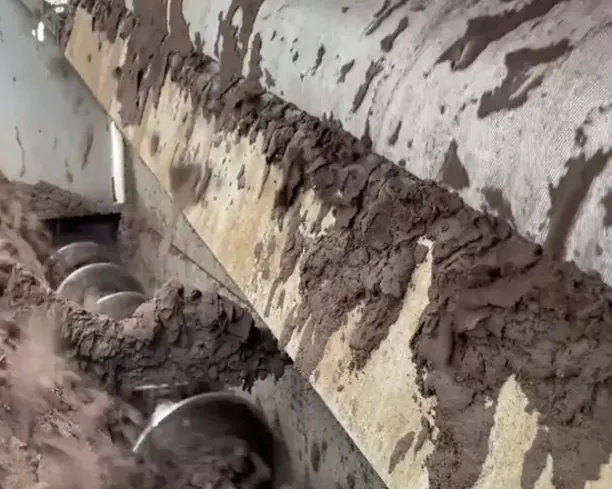
How Polyacrylamide Enhances Centrifuge Dewatering
Cationic polyacrylamide plays a critical role in sludge conditioning before centrifugation.
1️⃣ Improved Floc Formation Under High Shear
Centrifuges operate under strong centrifugal force and high shear conditions. Weak flocs easily break apart, reducing separation efficiency.
High-quality PAM forms:
- Dense flocs
- Shear-resistant aggregates
- Stable solid-liquid separation structures
Stronger flocs improve solids capture and reduce turbidity in centrate.
2️⃣ Increased Sludge Cake Dryness
Effective polymer conditioning improves water release during centrifugation.
This results in:
- Lower final moisture content
- Reduced sludge volume
- Lower disposal cost
- Improved downstream handling
If you want to further optimize sludge dryness performance, you may also read:
👉 Optimizing Sludge Dewatering with Cationic PAM
Better sludge conditioning leads to measurable cost savings.
3️⃣ Reduced Polymer Consumption
Using the correct molecular weight and charge density allows lower dosage per ton of dry solids.
Improper grade selection often causes:
- Overdosing
- Sticky sludge
- Increased operational instability
To better understand how grade selection affects chemical efficiency, refer to:
👉 Choosing the Right PAM Grade for Your Industry
Correct polymer matching reduces long-term chemical expenses.
Key Parameters for Centrifuge Optimization
To maximize dewatering performance:
✔ Adjust polymer feed location for proper mixing
✔ Optimize dilution concentration (typically 0.1–0.3%)
✔ Control sludge feed rate
✔ Monitor differential speed and torque
✔ Conduct jar testing before full-scale dosing
Small improvements in polymer conditioning can significantly enhance centrifuge efficiency.
Common Problems Caused by Inconsistent Polymer Quality
Low-quality or unstable PAM products may lead to:
- Floc breakage during centrifugation
- High centrate suspended solids
- Increased vibration due to imbalance
- Variable sludge cake consistency
Stable polymer supply ensures consistent performance and predictable results.
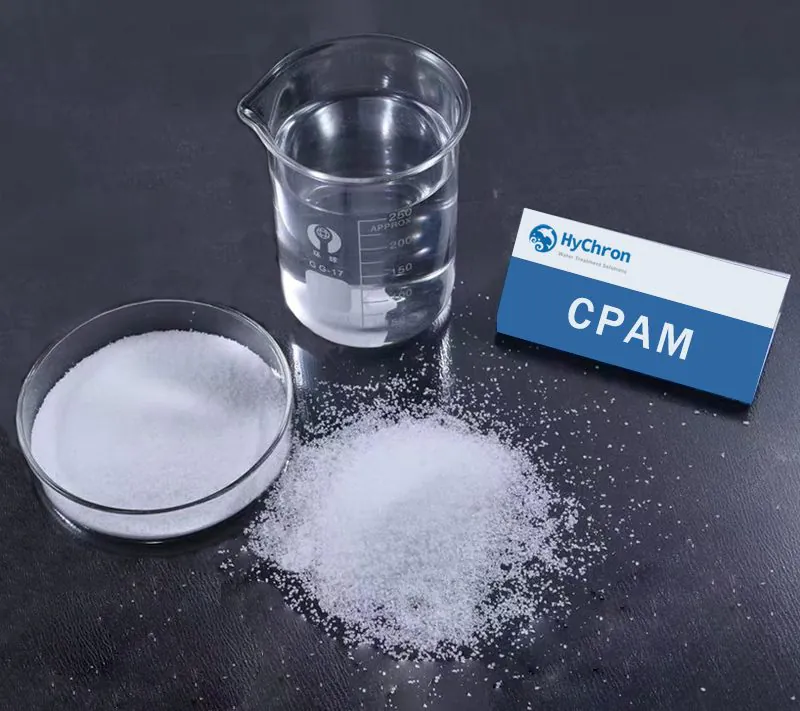
Why Our Polyacrylamide Supports Centrifuge Stability
Our cationic polyacrylamide products offer:
- Controlled molecular weight distribution
- Customizable charge density
- Low residual monomer content
- Fast dissolution and stable viscosity
- Consistent industrial-scale production
We assist clients with sludge evaluation and dosage optimization to achieve maximum centrifuge efficiency.
Improve Dewatering Efficiency and Reduce Cost
If your centrifuge system is experiencing:
- High sludge moisture
- Excess polymer usage
- Turbid centrate
- Unstable dewatering performance
It may be time to upgrade your polymer strategy.
📩 Contact us today for:
- Free sample testing
- Sludge compatibility evaluation
- Customized grade recommendations
- Competitive bulk pricing
Optimized polyacrylamide can significantly improve centrifuge performance while reducing overall operating costs.