Skip to content
Selecting the wrong PAC grade is one of the most common — and costly — purchasing mistakes in water treatment. It affects effluent quality, regulatory compliance, and in drinking water applications, public safety. This guide walks through the six decisions that determine which PAC grade is right for your system.
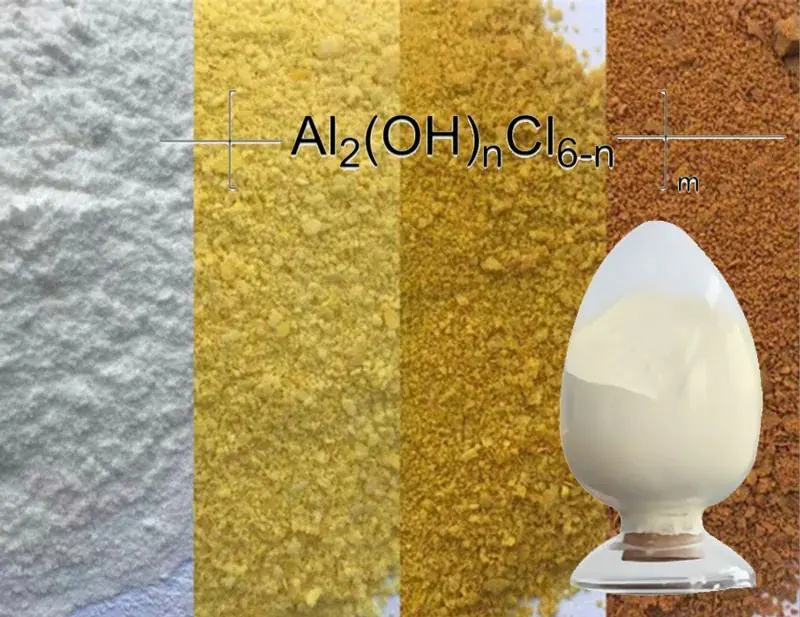
Step 1: Identify Your Water Type — This Determines Everything
The single most important distinction in PAC selection is whether your water is destined for human consumption.
Drinking water and potable systems require certified drinking water-grade PAC only. This grade meets strict limits on heavy metals — typically iron < 200 mg/kg, lead < 5 mg/kg, arsenic < 5 mg/kg — and residual aluminum in treated water. Compliance with standards such as NSF/ANSI 60, GB 15892 (China), or equivalent national standards is mandatory, not optional.
Industrial wastewater and municipal sewage use industrial-grade PAC. It’s stronger in coagulation performance, more cost-effective, and suited to high-COD, high-turbidity conditions — but it does not meet potable water safety requirements regardless of how clear the treated water looks.
This boundary is non-negotiable. Industrial PAC used in a drinking water system is a regulatory violation, even if treatment results appear acceptable.
Step 2: Match PAC Basicity to Your Raw Water Conditions
PAC basicity — expressed as the OH/Al molar ratio, typically 40–90% — determines how the coagulant behaves under different water quality conditions.
| Water Condition | Recommended Basicity | Reason |
|---|---|---|
| Low temperature (< 10°C) | High basicity (70–90%) | Faster hydrolysis at cold temperatures |
| Low alkalinity (< 50 mg/L as CaCO₃) | High basicity (70–90%) | Less pH depression during dosing |
| High turbidity (> 200 NTU) | Medium basicity (60–75%) | Stronger charge neutralization needed |
| High organic content | Medium-low basicity (40–65%) | Better organic coagulation |
| Stable, warm water | Medium basicity (60–75%) | Standard performance range |
High-basicity PAC forms larger polynuclear aluminum species that hydrolyze more completely and produce denser, faster-settling floc — particularly valuable in cold or low-alkalinity systems where standard PAC underperforms.
Step 3: Evaluate True Cost — Dosage and Sludge, Not Unit Price
Buying the cheapest PAC per kilogram is a false economy. Total treatment cost depends on three factors that unit price doesn’t capture:
Dosage efficiency: Higher-quality PAC with consistent Al₂O₃ content (typically 28–30% for liquid, 90%+ for powder) requires lower effective dosage to achieve the same turbidity removal. A product at 20% lower price but 30% higher required dosage costs more in practice.
Sludge volume: Lower-quality PAC produces more sludge per unit of turbidity removed. In systems where sludge disposal carries significant cost — hauling, dewatering, landfill — sludge volume directly affects operating economics.
PAC + PAM combination: Combining PAC with anionic or nonionic PAM at 0.5–2 mg/L typically reduces PAC dosage by 20–35% while improving floc size and settling speed. For high-volume systems, this combination almost always delivers lower total chemical cost than increasing PAC dose alone.
Step 4: Choose the Right Physical Form for Your Dosing System
| Form | Al₂O₃ Content | Advantages | Limitations |
|---|---|---|---|
| Liquid PAC | 10–17% | Easy dosing, no dissolution needed | Higher transport cost, shorter shelf life (12 months) |
| Powder PAC | 28–32% | Lower transport cost, 24-month shelf life | Requires dissolution equipment |
Choose liquid PAC when: dosing infrastructure is already in place, storage space is limited, or operational simplicity is a priority.
Choose powder PAC when: transport distance is long, storage capacity is available, and lower unit cost per kg of Al₂O₃ matters.
For powder PAC, dissolve at 5–10% concentration in clean water with agitation for 15–30 minutes before dosing. Never add powder directly to the treatment stream without pre-dissolution.
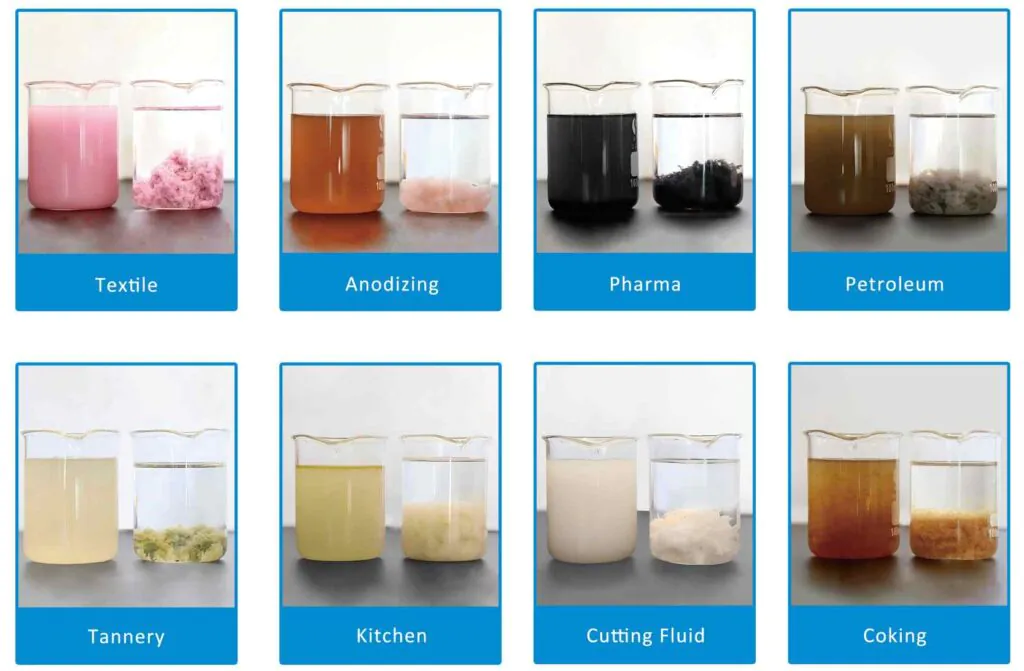
Step 5: Confirm Regulatory Compliance Before Purchase
Request the following documentation from any PAC supplier before committing to a purchase:
- Certificate of Analysis (CoA) with Al₂O₃ content, basicity, pH, and heavy metal concentrations confirmed per batch
- Sanitary certification (NSF/ANSI 60, GB 15892, or equivalent) for drinking water applications
- Heavy metal test results — particularly iron, lead, arsenic, and cadmium
- Residual monomer content if PAM is also being purchased for the same system
Suppliers who cannot provide batch-specific CoAs for drinking water applications are not supplying to the standard that potable water treatment requires. Do not accept product without documentation.
Step 6: Always Jar Test Before Bulk Purchase
No two water sources respond identically to PAC, and supplier specifications don’t tell you how a product will perform on your specific raw water. A jar test takes less than an hour and confirms:
- Optimal PAC dosage for your current raw water quality
- Whether high or low basicity performs better
- Whether PAM addition improves settling without increasing total cost
- Compatibility with existing coagulant aids or pH adjustment chemicals
Run jar tests at three dosage levels — low, medium, and high — and measure settled turbidity, floc size, and settling speed at 10 and 30 minutes. Adjust dosage in 5 mg/L increments and retest seasonally as raw water quality changes.
Common Purchasing Mistakes to Avoid
Using industrial PAC in drinking water systems — the most serious mistake; a compliance and public health risk regardless of treatment appearance.
Selecting grade based on price alone — ignores dosage efficiency, sludge volume, and documentation quality.
Skipping jar tests — leads to overdosing, underdosing, or poor floc formation that could have been prevented with 60 minutes of bench testing.
Ignoring batch-to-batch consistency — Al₂O₃ content and basicity variation between batches causes treatment performance to fluctuate without any obvious cause. Specify allowable variance ranges in your purchase contract.
FAQ
Q: How do I know if a PAC supplier’s drinking water certification is valid?
A: Request the original certification document — not a photocopy — and verify the certificate number directly with the issuing body (NSF International, local health authority, or equivalent). Certificates should specify the exact product grade, concentration, and maximum approved dosage. Expired or product-mismatched certificates are common; always check the validity date and confirm the certified product matches what you’re actually purchasing.
Q: What is the difference between PAC and alum (aluminum sulfate) for drinking water treatment?
A: PAC produces larger, denser floc at lower dosage, performs better in cold and low-alkalinity water, and generates less sludge than alum. Alum is cheaper per kilogram but typically requires higher dosage and pH adjustment. For most modern drinking water plants, PAC delivers lower total treatment cost despite higher unit price. Alum remains competitive only in warm, high-alkalinity, high-turbidity source water where its lower-cost performance is adequate.
Q: How should liquid PAC be stored to maintain performance?
A: Store in HDPE or lined FRP tanks at 5–40°C, away from direct sunlight. Below 5°C, aluminum species may precipitate and require warming and agitation to redissolve. Above 40°C, basicity can shift over time. Shelf life is 12 months from manufacture date under correct storage. Always check manufacture date on delivery and test Al₂O₃ content if product has been stored for more than 9 months before use.
Right Grade, Right Conditions, Right Documentation
PAC selection is a three-way decision: match the grade to your water type, match the basicity to your raw water conditions, and confirm the documentation before purchase. Getting any one of these wrong creates problems that no amount of dosage adjustment will fully fix. Do the jar test, request the CoA, and don’t let unit price drive a decision that affects treatment performance and regulatory compliance.
HyChron supplies both drinking water-grade and industrial-grade PAC with batch-specific certificates of analysis and technical support for grade selection and dosage optimization. Contact our team for product specifications or a recommendation based on your source water quality.