

Description
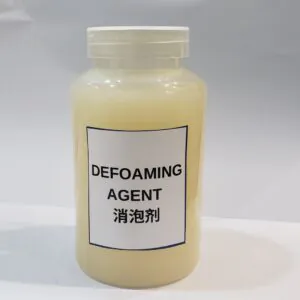
Defoamer for Water Biochemical Pool
Foaming Mechanism
In biochemical tanks, surfactants in wastewater—combined with aeration, stripping, and other factors—can lead to abnormal growth of filamentous bacteria and actinomycetes, resulting in biological foam formation.
Hazards of Foam
Foam is typically sticky and traps large amounts of activated sludge and solids, forming a floating foam layer in the aeration tank. This layer disrupts oxygen transfer into the mixed liquor, reducing aeration efficiency. Foam overflow can spread onto walkways, hindering inspections and equipment maintenance. In summer, foam may be blown around, causing environmental and sanitation issues. In winter, frozen foam is difficult to remove and poses safety risks for inspection personnel.
Reviews
There are no reviews yet.